
A new movie by Gregg Araki challenges the idea that straight sex is the most extreme kind of intimacy. His latest film, titled I Want Your Sex, presents a wild and often funny look at desire, dominance, and art. The movie includes scenes of bondage, full-frontal nudity, and even a vagina made from pink bubble gum.
Araki describes the story as deeply queer in nature. This is not his first heterosexual film, but it does feature a strong cast that reflects his growing influence in the industry. The director is currently in Los Angeles, where he speaks with a relaxed energy despite being 66 years old.
The film centers around Elliot, a young man in his early twenties who is trying to figure out what he wants from life. Elliot is not sure about his future, but he dreams of starting a podcast. The movie includes a wide range of actors, such as Charli XCX playing Elliot’s shy girlfriend and Johnny Knoxville and Margaret Cho as detectives.
Araki has a fondness for the character Elliot, seeing him as a younger version of himself. Originally, Araki planned to start filming after wrapping up promotion for another movie from 2014. At first, the script was like a comic version of 50 Shades of Grey with a woman being seduced by her boss.
However, funding fell through and the project was delayed for years. When he returned to the script after making a TV comedy, Araki felt it no longer fit the current times. He became uncomfortable with the idea of a woman being dragged around in a consensual scene.
That’s when he decided to flip the roles, making the male character the submissive one and the female the dominant. The idea was further shaped by a study that showed younger generations are having less sex than before. Olivia Wilde and Cooper Hoffman star in the film, with Wilde playing a character named Erika.
The day before their interview, a tweet from a Hollywood magazine quoted Araki as saying Gen Z will regret not having sex. Some people took the comment seriously, while others saw it as a joke. Araki was happy to see such a reaction from the audience.
He believes many young people live sheltered lives and avoid taking risks in relationships. He argues that not all experiences are perfect, and that’s okay. Araki thinks most movies today don’t really explore sex in a meaningful way.
He believes that even films that claim to be about sex often avoid real intimacy. He points out that some recent movies like Babygirl and Pillion are not truly sex-positive. The director also mentions a TV show called Heated Rivalry, which some say sanitizes sex for female audiences.
He says he finds the show’s approach to sex acceptable and not overly soft. The movie has a mix of wild scenes and gentle moments, showing how the characters connect. Elliot, despite his initial hesitation, becomes more open to Erika’s way of being.
Their relationship has emotional depth even as it includes playful dominance. Araki says he based Elliot’s character on his own youth and confusion about identity. Erika, the dominant character, draws from Araki’s own interviews and experiences.
Before filming began, he told Olivia Wilde that everyone needed to be fearless. He wanted actors to not worry about what others might think of their performance. Araki has always pushed audiences out of their comfort zones with his work.
His early film The Living End had a groundbreaking scene between gay characters. Another movie, Mysterious Skin, dealt with childhood abuse in a powerful way. The film also satirizes the world of commercial art and galleries.
Erika’s art is described as loud, garish, and unrefined. Araki compares her work to artists like Robert Mapplethorpe and Madonna’s Sex book. He believes that the current state of American society is deeply repressive.
He sees a lot of fear and anger in the world, which he links to sexual repression. The movie ends with a song called Free Yourself by Jessie Ware. He sees the film as a kind of statement about freedom and self-expression.
Despite his concerns, Araki is hopeful about the next generation. He notes that young moviegoers are often very knowledgeable and appreciate bold directors. Even though queer representation in major films is declining, Araki believes the movement is still strong.
He points to Cannes as an example of how many queer films are being made today. Araki says that he can see some similarities between LGBTQ+ life today and that of the early 1990s. He believes there’s a need for expression today, just like in the past.
He warns that right-wing groups may continue to target trans people and others. Araki says it’s important for queer creators to speak freely without censorship. He explains that his own films come from a place of honest expression and resistance.
I Want Your Sex is now available in the US, with releases in Australia and the UK soon.
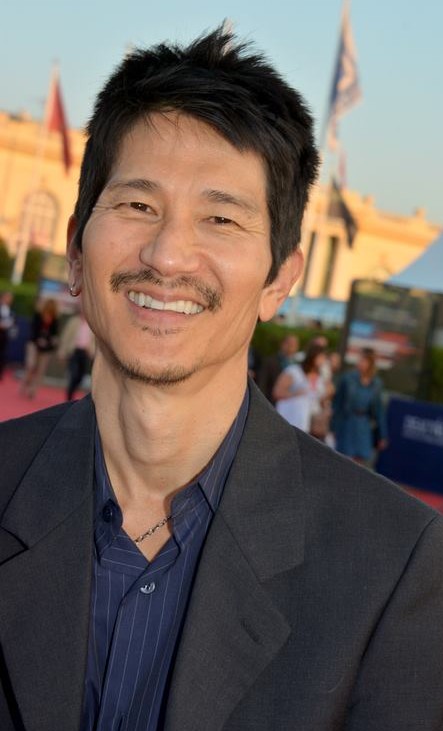
IMAGE: Gregg Araki at the Deauville Film Festival. Photo: Georges Biard / Wikimedia, CC BY-SA 3.0