
A Yakima County resident died after exposure to infected dairy cattle as health officials confirm three human cases and 33 affected dairy herds in the county.
A Washington state resident has died from complications of H5N1 bird flu after exposure to infected dairy cattle, marking the first reported human death from avian influenza in the United States in 2026. The Yakima Health District confirmed the death on November 1, saying the patient had been hospitalized with severe illness and had underlying health conditions.
The death comes during an outbreak among dairy cattle in central Washington, where health officials have confirmed three human infections linked to exposure at affected farms. As of the county’s November 1 update, 33 dairy herds in Yakima County had tested positive for highly pathogenic avian influenza, raising concerns about the virus’s continued spread among livestock.
Health officials emphasize that the risk to the general public remains low. Workers who handle infected cattle or spend extended periods in contaminated environments face a greater risk of infection.
Patient Died After Exposure at Infected Dairy
The person who died was a resident of Yakima County in central Washington. Investigators determined that the infection followed exposure at a dairy farm where cattle had tested positive for avian influenza.
The patient had been hospitalized with a severe illness before dying on Sunday, November 1. The health district has not released the person’s name, age or gender out of respect for the family’s privacy.
Officials confirmed that the patient had underlying medical conditions. However, they have not disclosed those conditions or provided a detailed account of the person’s clinical treatment.
Dr. Dave Atteberry, health officer for the Yakima Health District, expressed sympathy for the family and emphasized the importance of continued public health monitoring. He warned that avian influenza can cause serious illness, particularly among people with preexisting health problems.
The district is working with state public health officials to identify people who had close contact with the patient. Those individuals are being monitored for symptoms as part of the response.
There is currently no evidence that the patient transmitted the virus to another person. Health authorities have repeatedly stated that human-to-human transmission of bird flu has not been documented in the United States.
Three Human Cases Confirmed in Yakima County
The fatal infection is one of three confirmed human cases associated with the dairy cattle outbreak in Yakima County. All three cases have been linked to exposure involving infected cattle.
Washington health authorities confirmed the first human infection associated with the current dairy outbreak on October 15. The case followed the discovery of infected cattle at local dairy farms earlier that month.
A second case was subsequently identified as investigators continued monitoring people who worked with or had contact with potentially infected animals.
On November 1, the Yakima Health District announced a third confirmed human case. That patient had also been exposed to infected cattle at a Yakima County dairy but had not developed severe illness or required hospitalization.
The different outcomes illustrate how bird flu infections can vary in severity. Some patients experience relatively mild symptoms, while others develop serious respiratory complications requiring medical treatment.
The health district is continuing to investigate possible exposures and monitor individuals who may have been in contact with infected animals. Additional cases could be identified as testing and surveillance continue.
Dairy Cattle Outbreak Expands Across Central Washington
Washington’s current dairy cattle outbreak began in early October. State agriculture officials announced the first known detections of H5N1 in Washington dairy cattle on October 8, when two Yakima County herds tested positive.
Additional infected herds were identified throughout the following weeks. The number increased sharply on October 23, when 17 more herds were confirmed positive.
According to the Yakima Health District’s published figures, 33 dairy herds had tested positive by October 29. The county’s November 1 public health update continued to report that total.
The outbreak has also reached neighboring Benton County, where avian influenza was detected at another dairy operation. Agricultural and public health authorities are coordinating surveillance and responses to limit further spread.
H5N1 primarily circulates among birds but can infect mammals, including dairy cattle. Infected cows can shed the virus in milk, creating potential exposure risks for people working with animals and handling unpasteurized dairy products.
Workers may encounter infectious material while milking cattle, cleaning equipment or performing other duties that involve close contact with animals. Contaminated surfaces and bodily fluids can also present risks when proper protective measures are not followed.
State agriculture officials continue to work with dairy producers and veterinarians to identify affected herds and monitor animal health. These efforts are intended to reduce further animal infections and protect workers.
Not Washington’s First Human Bird Flu Infection
Although the November death is the first reported U.S. bird flu fatality in 2026, it is not Washington state’s first human infection or its first bird flu-related death.
Washington previously reported human H5N1 infections in October 2024 associated with exposure to infected poultry. Those cases occurred before the current outbreak involving dairy cattle.
In November 2025, a Washington resident died after contracting H5N5, a less common subtype of avian influenza. That case was separate from the current H5N1 outbreak.
The United States also recorded a fatal human H5N1 infection in Louisiana in January 2025. The latest Washington death is therefore the third reported U.S. fatality associated with avian influenza during the broader outbreak period beginning in 2024.
The Centers for Disease Control and Prevention has reported more than 70 human H5 bird flu infections nationwide since early 2024. Most have involved people with direct exposure to infected animals, particularly dairy cattle and poultry.
Despite these cases, federal health officials continue to classify the risk to the general public as low. They are monitoring the virus for genetic changes that could affect its ability to infect people or spread between them.
Bird Flu Symptoms and Testing
Bird flu symptoms in humans can resemble those caused by seasonal influenza. Common signs include fever, cough, sore throat, fatigue, muscle aches and a runny or stuffy nose.
Some patients develop eye redness or irritation, which can be an important symptom following exposure to infected dairy cattle or poultry. More serious infections may cause difficulty breathing or severe respiratory disease.
Routine testing for seasonal influenza does not necessarily identify avian influenza. People with symptoms and a history of exposure to infected animals may require specialized laboratory testing coordinated with public health authorities.
The Yakima Health District advises dairy workers who develop symptoms after possible exposure to contact a healthcare provider or the district for guidance. Workers should explain their exposure history so medical professionals can arrange appropriate evaluation and testing.
The district can be reached at 509-480-3770 for bird flu guidance involving occupational exposure. People experiencing severe symptoms, particularly difficulty breathing, should seek emergency medical care rather than delay treatment.
Early identification is important because antiviral medications may be recommended for people with suspected or confirmed infection. Healthcare professionals can determine the appropriate treatment based on symptoms and exposure history.
Pasteurized Milk Remains Safe
Health officials continue to reassure consumers that pasteurized milk and dairy products are safe to consume. Pasteurization uses heat to inactivate harmful microorganisms, including avian influenza viruses.
The CDC recommends avoiding raw milk and products made from unpasteurized milk because they may contain infectious viruses and other dangerous germs. The guidance also applies to pets, particularly cats, which can become seriously ill after exposure to contaminated raw dairy products.
People working with potentially infected animals should follow recommended safety precautions. These include wearing appropriate respiratory protection, eye protection, gloves and other protective equipment when exposure cannot be avoided.
Workers should also avoid touching their faces with contaminated hands or gloves and follow workplace procedures for cleaning equipment and handling potentially infected materials.
Public health officials recommend seasonal influenza vaccination, although the regular flu vaccine does not specifically protect against H5N1. Vaccination helps reduce seasonal flu infections and the possibility of becoming infected with multiple influenza viruses at the same time.
Health Officials Continue Monitoring the Outbreak
The Yakima Health District is coordinating with the Washington State Department of Health and agricultural officials as the outbreak continues. Investigators are tracking human cases, identifying possible contacts and reviewing exposure risks at affected dairy operations.
The district has scheduled public updates every Monday and Thursday at 2 p.m. Pacific time. Those updates are expected to include confirmed human cases and other information about the evolving outbreak.
For now, officials continue to emphasize the difference between occupational exposure and everyday public risk. The greatest concern involves people who work directly with infected animals or contaminated materials.
The fatal case demonstrates that avian influenza can have serious consequences, even though infections in humans remain uncommon. The next public health updates will help determine whether additional infections have occurred and how effectively the outbreak among Washington dairy herds is being contained.
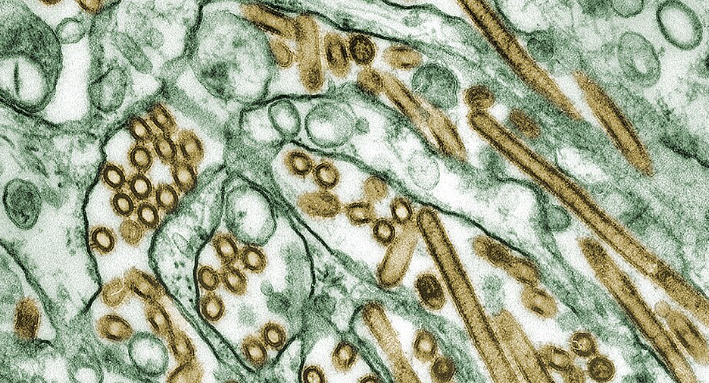
IMAGE: Author Photo Credit: Cynthia Goldsmith Content Providers: CDC/ Courtesy of Cynthia Goldsmith; Jacqueline Katz; Sherif R. Zaki CC0