
Qatar-mediated peace talks helped push crude prices down more than 7%, but renewed U.S. military threats, Iranian retaliation risks, and tensions around the Strait of Hormuz continue to unsettle Gulf governments.
President Donald Trump’s threats of renewed military action against Iran have raised fears across the Persian Gulf, even as diplomatic efforts to end the eight-month conflict helped send oil prices sharply lower on Monday, November 2, 2026. Gulf governments remain concerned that another round of American strikes could expose their territories, military facilities and energy infrastructure to Iranian retaliation.
Brent crude, the international oil benchmark, fell 7.63% to settle at $104.77 a barrel. U.S. West Texas Intermediate dropped 7.36% to $96.46 as investors reacted to signs that negotiations involving Qatar might produce an agreement.
Despite the market’s optimism, major disagreements remain unresolved. Washington continues demanding restrictions on Iran’s nuclear program, while Tehran wants sanctions relief, an end to the U.S. blockade of its ports and guarantees against further attacks.
Trump Sends Mixed Signals About Renewed Strikes
The possibility of another major American attack has been a central concern ahead of the November 3 U.S. midterm elections. Trump previously suggested that military action could resume after the vote, while administration officials emphasized that no final decision had been made.
On October 31, Secretary of State Marco Rubio said Trump preferred a diplomatic settlement but had not ruled out additional military operations. The comments followed warnings from U.S. officials to regional allies about possible strikes and Iranian retaliation.
However, Trump’s position appeared to soften Monday. When reporters asked whether he was considering attacking Iran after the elections, he answered “no” and indicated that a negotiated agreement remained possible.
Vice President JD Vance also expressed optimism about the diplomatic process. He said Washington had held constructive discussions and would continue pursuing a settlement while maintaining its security demands.
These statements offered some reassurance, but they did not amount to a formal agreement or a permanent decision to abandon military options. The administration has continued maintaining a substantial military presence in the region.
Qatar-Mediated Talks Continue Without Breakthrough
Iranian negotiators held several days of discussions with Qatari mediators in Doha as diplomatic efforts intensified before the American elections. The meetings followed earlier contacts in Tehran involving representatives working to identify possible terms for ending the conflict.
Iranian President Masoud Pezeshkian said Supreme Leader Ayatollah Mojtaba Khamenei had given the government limited authority to pursue peace negotiations. The announcement encouraged expectations that Tehran might accept a diplomatic arrangement.
Iranian Foreign Minister Abbas Araqchi remained involved in consultations as Qatari mediators continued their efforts. A draft proposal was reportedly circulating, although neither Washington nor Tehran announced that they had accepted its terms.
Iran’s position is based on a seven-step proposal submitted in September. The plan calls for ending the U.S. blockade of Iranian ports, reopening the Strait of Hormuz, easing restrictions on Iranian oil sales and addressing sanctions before further negotiations.
Tehran has suggested that some shipping measures could be implemented within two days if its conditions are accepted. However, Iranian officials insist that commitments must be implemented and verified rather than remaining political promises.
The nuclear dispute remains another obstacle. Iran has rejected proposals to transfer its highly enriched uranium abroad and says broader nuclear negotiations can proceed only after its initial conditions are fulfilled.
Gulf States Fear Being Drawn Into Another Escalation
Renewed fighting would pose considerable risks for Gulf countries hosting American military facilities. These governments have already experienced the economic and security consequences of the conflict, which began with U.S. and Israeli strikes against Iran on February 28.
According to Reuters, Gulf officials fear that U.S. military installations could become targets if Washington resumes operations. Iranian retaliation could also reach energy facilities, ports, transportation networks and other civilian infrastructure.
Bahrain faces particular concerns because it hosts the U.S. Navy’s Fifth Fleet. American military facilities elsewhere in the Gulf could also be exposed to missiles, drones or attacks by Iran-aligned armed groups.
Saudi Arabia, Qatar and other regional governments have supported diplomatic efforts to prevent another escalation. Their concerns reflect the possibility that military decisions made outside their capitals could still produce serious consequences within their borders.
The risks extend beyond military targets. Energy installations, water desalination facilities and telecommunications infrastructure are essential to everyday life throughout the region.
Attacks against those systems could disrupt electricity, drinking-water supplies and commercial activity. Even limited strikes might create widespread uncertainty if they affect international shipping or fuel exports.
Strait of Hormuz Remains Central to Oil Markets
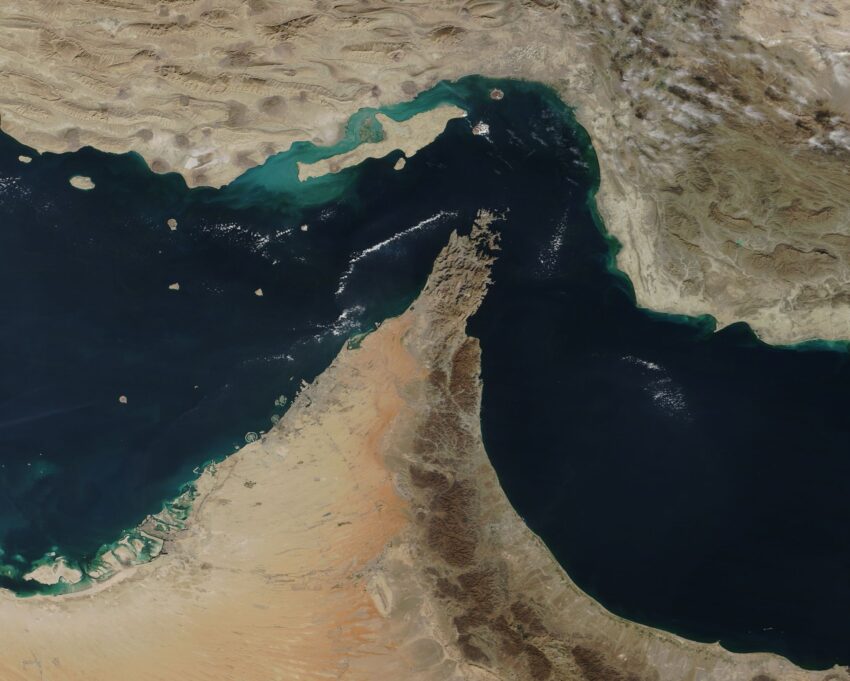
The Strait of Hormuz connects the Persian Gulf with the Gulf of Oman and provides a crucial route for international energy shipments. Disruptions there have been among the most damaging economic consequences of the war.
Oil prices climbed during October as traders anticipated a possible escalation after the U.S. elections. Brent reached a six-month high before Monday’s diplomatic developments triggered a substantial selloff.
The decline reflected a reduction in the additional cost traders had been assigning to the possibility of further supply disruptions. However, lower prices did not mean that shipping conditions had returned to normal.
A sustained agreement could improve tanker movements and eventually increase the reliability of regional oil exports. Without such an agreement, shipping companies must continue assessing security threats, insurance costs and the possibility of further attacks.
The risk remains significant because global energy supplies have already been strained by months of interrupted shipments.
Global Oil Inventories Have Fallen Sharply
Sultan Al Jaber, chief executive of the Abu Dhabi National Oil Company, warned Monday that the conflict has reduced global oil inventories by nearly one billion barrels.
Speaking at the ADIPEC energy conference in Abu Dhabi, Al Jaber said the world had consumed much of the inventory normally available to absorb unexpected supply disruptions.
He also reported that diesel inventories in some regions had fallen to their lowest seasonal levels in 35 years. Other markets were facing shortages of liquefied natural gas.
Shipping and logistics costs have increased sharply as well. According to Al Jaber, those expenses now account for more than 30% of the cost of a barrel in some circumstances, compared with less than 5% before the conflict.
These pressures help explain why oil prices remain elevated despite Monday’s decline. The market has fewer available reserves to offset another prolonged interruption in production or transportation.
The International Energy Agency and its member governments have responded by releasing emergency oil supplies. Such measures can provide temporary relief, but they cannot permanently replace reliable production and transportation.
Russia Warns Against New Military Action
Russia joined international calls for diplomacy Monday, expressing concern about reports that the United States might launch another military operation against Iran.
Foreign Ministry spokeswoman Maria Zakharova described the regional situation as dangerous and urged greater efforts to reach a political settlement. Moscow has consistently criticized American and Israeli military operations against Iran.
Russia also supports negotiations concerning the Strait of Hormuz and has offered to participate in arrangements involving Iranian nuclear material.
However, Tehran has rejected transferring its highly enriched uranium abroad as part of the current negotiations. That position remains a significant obstacle to proposals that would involve foreign custody of the material.
Moscow’s involvement adds another diplomatic dimension to a conflict already affecting relationships among the United States, Iran, Gulf governments and major energy-importing countries.
Iraq Strengthens Border Security Near Kuwait
The possibility of regional escalation has also prompted additional security measures in Iraq. Prime Minister Ali al-Zaidi reportedly ordered four military brigades to Basra after receiving intelligence about possible attacks against Kuwait.
The Arabic-language broadcaster Alhurra reported that Iraqi political and security sources believed Iran-aligned armed factions might attempt drone strikes or cross-border attacks from southern Iraq if fighting resumed.
The broadcaster could not independently confirm the reported plot. Iraqi authorities also did not publicly announce the troop deployment described by its sources.
Iraq’s army chief, General Abdul Amir Yarallah, visited Basra on November 1 to meet provincial and military officials. The discussions focused on securing the border and coordinating efforts to prevent potential violations.
Baghdad is attempting to prevent armed groups from launching attacks against neighboring countries. The government faces continuing difficulties controlling militias that maintain political influence and military capabilities outside regular state command structures.
These concerns are particularly serious for Kuwait, which shares a border with southern Iraq and has experienced wider tensions over maritime boundaries.
Diplomacy Faces Another Test After U.S. Elections
Monday’s oil-market decline showed that investors see potential economic benefits from a negotiated settlement. However, the diplomatic progress remains fragile because neither side has accepted a final agreement.
Washington continues demanding guarantees concerning Iran’s nuclear activities, while Tehran insists on sanctions relief and security commitments. Gulf governments want an end to attacks that threaten their infrastructure and economic stability.
The next developments will depend on whether Qatari mediators can narrow those differences and whether both governments choose continued negotiations over military action.
For energy markets, reopening the Strait of Hormuz and restoring predictable shipping would represent major steps toward stability. Until those conditions are secured, oil prices will remain sensitive to diplomatic statements, military movements and reports of attacks throughout the Gulf.
IMAGE: The rugged, barren mountains of the Musandam Peninsula jut into the Strait of Hormuz, the narrow throughway between Iran (north) and Oman and the United Arab Emirates (south) where the waters from the Gulf of Oman enter the Persian Gulf. Khasab, Oman, the main city sitting on the tip of the Musandam Peninsula, sits only 65 km (40 mi) from the Iranian city of Bandar Abbas. The rocky limestone mountains of the peninsula rise as high as 6,500 feet (2,000 meters) above sea level and create fjord-like inlets along the coast. Musandam is an exclave of Oman, separated from the rest of the country by the United Arab Emirates. Fishing, agriculture and ship building are the primary industries in this part of Oman.
The Moderate Resolution Imaging Spectroradiometer (MODIS) on board NASA’s Terra satellite acquired a stunning true-color image of the Strait of Hormuz and the Musandam Peninsula on December 6, 2018.. Photo: MODIS Land Rapid Response Team, NASA GSFC / Wikimedia, Public domain