
A November 20 executive order requires companies doing business with the federal government to coordinate responses to congressional requests, setting up a possible confrontation over oversight powers as Democrats prepare to take control of Congress.
President Donald Trump signed an executive order on November 20, 2026, requiring federal contractors and subcontractors to notify the White House about congressional requests concerning their government work. The directive also instructs companies to withhold communications that the administration determines are protected by executive privilege. Businesses that fail to comply could face contract cancellations or restrictions on future federal work.
The order arrives as Democrats prepare to take control of Congress in January and pursue investigations into the Trump administration. It expands the White House’s efforts to control how federal agencies, employees and private contractors respond to congressional oversight.
The directive applies broadly to companies providing goods and services to the federal government, potentially affecting tens of thousands of businesses. It also raises questions about how contractors should respond when demands from Congress conflict with instructions from the executive branch.
What Trump’s Executive Order Requires
The directive, titled Protecting the Executive’s Privileges and Enhancing Efficiencies in Federal Contracting, establishes new reporting obligations for federal contractors.
Companies must immediately notify the White House and their contracting agencies when they receive congressional requests involving their communications or work with the executive branch. The requirement covers both pending inquiries and future requests.
Contractors must also follow instructions from the administration concerning information that federal officials determine is protected by executive privilege.
Federal agencies are directed to coordinate with the White House and contractors to develop appropriate responses. That includes reviewing whether information should be withheld under legally recognized privileges.
The requirements extend to subcontractors working under federal contracts. Agencies must take steps to ensure primary contractors are responsible for their subcontractors’ compliance.
The Office of Management and Budget must develop guidance explaining how agencies should implement and enforce the new requirements.
Contractors Could Lose Federal Business
The executive order includes potentially serious consequences for companies that fail to comply.
Contracting agencies must consider appropriate enforcement measures consistent with existing law. Those measures could include terminating active contracts, canceling agreements or suspending companies from federal contracting opportunities.
The directive also identifies debarment, a process that can prevent a company from receiving future government contracts.
These penalties are not automatic. The order requires agencies to consider enforcement actions rather than immediately impose them for every violation.
Nevertheless, the potential consequences could create significant pressure on companies that depend heavily on federal business.
Government contractors operate in industries ranging from defense and technology to construction, healthcare and transportation. Many handle sensitive information while carrying out projects funded by taxpayers.
A company facing a congressional subpoena could now encounter conflicting expectations from lawmakers seeking records and federal officials instructing it to withhold information.
White House Says Confidentiality Must Be Protected
The Trump administration argues that the directive is necessary to preserve confidential government communications and prevent unnecessary spending.
In an accompanying fact sheet, the White House said federal agencies must be able to communicate openly with contractors, particularly on matters involving national security and sensitive government operations.
Officials argue that uncertainty about confidentiality could discourage agencies from sharing essential information with private companies.
The administration also maintains that uncoordinated responses to congressional inquiries could force the government into separate legal disputes, increasing costs and delaying important work.
The executive order accuses certain congressional leaders of seeking confidential information and pressuring businesses that work with federal agencies.
It argues that congressional investigations must serve a valid legislative purpose and cannot improperly interfere with constitutional powers belonging to the president.
The White House presents the requirements as a way to protect executive branch communications while improving efficiency in federal contracting.
Democrats Prepare for Congressional Investigations
The directive comes during preparations for a change in congressional leadership following the November midterm elections.
Democrats are expected to pursue investigations into government spending, federal contracts and relationships between the administration and private businesses when the new Congress convenes on January 3, 2027.
Contracts involving companies connected to Trump’s family have attracted particular scrutiny, including arrangements involving the Defense Department.
Representative Robert Garcia of California, a leading Democrat on the House Oversight Committee, has indicated that investigations will be a major priority.
Garcia has sent document-preservation requests to members of Trump’s family and senior administration officials in anticipation of future oversight proceedings.
White House Counsel Will Scharf challenged those efforts, arguing that Democratic lawmakers do not yet possess the committee authority they expect to gain in January.
Scharf also warned Garcia that certain investigative tactics could raise legal concerns if used to harass individuals rather than advance legitimate legislative purposes.
Garcia rejected the administration’s characterization of congressional oversight and defended lawmakers’ authority to investigate the executive branch.
The dispute illustrates growing tensions between the White House and lawmakers preparing to exercise expanded investigative powers.
Administration Also Restricts Agency Testimony
The contractor directive follows other White House measures intended to coordinate responses to congressional investigations.
Earlier in November, Scharf instructed executive agencies to obtain approval before agreeing to have employees appear before congressional committees.
Under that policy, agencies must consult the White House Counsel’s Office and the Office of Legislative Affairs before arranging testimony.
The new contractor order extends a similar coordination requirement beyond federal employees to private businesses working for the government.
Unlike federal agencies, contractors are independent organizations that may have their own legal obligations when Congress requests information.
That distinction could become important if congressional committees issue subpoenas demanding testimony or records that the administration wants withheld.
Legal Experts Question How the Order Will Work
Executive privilege is a recognized constitutional doctrine that allows presidents to protect certain confidential communications from disclosure.
However, the privilege is not unlimited. Courts have previously considered disputes involving presidential confidentiality and the investigative powers of Congress.
Legal analysts at Crowell & Moring, a law firm specializing in government contracting, warned that the new directive could place companies between competing legal demands.
The firm noted that the order does not automatically establish executive privilege over every government-related business record. Nor does it eliminate the legal consequences of ignoring a valid congressional subpoena.
Contractors may still face contempt proceedings if they refuse to comply with legally enforceable demands from Congress.
The order also leaves important implementation questions unanswered, including how quickly the White House must review requests and how companies should handle conflicting deadlines.
Those uncertainties could produce legal challenges if lawmakers seek information that federal agencies instruct contractors to withhold.
The central question is whether the administration’s coordination requirements protect legitimate confidentiality interests or interfere with Congress’s constitutional oversight responsibilities.
Next Steps for Congress and Federal Contractors
Federal agencies must now notify contractors and subcontractors about the executive order and establish procedures for compliance.
The Office of Management and Budget is responsible for developing additional guidance, although the order does not specify a deadline for completing that work.
Companies receiving congressional inquiries may need to coordinate with agency officials while evaluating their separate legal obligations.
The dispute could intensify after January 3, when the new Congress convenes and incoming Democratic committee leaders gain authority to pursue formal investigations.
For now, the executive order establishes a new requirement for businesses working with the federal government: congressional inquiries involving their executive branch work must be reported to the administration before information is disclosed without coordination.
Whether those requirements withstand legal challenges, and how they affect Congress’s ability to obtain records, remain unresolved.
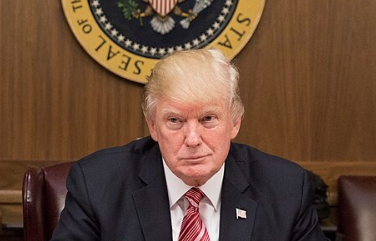
IMAGE: Donald Trump Source https://www.whitehouse.gov/briefings-statements/photos-president-donald-j-trumps-cabinet-meeting-camp-david/ CC0