
The resignation of Nvidia’s longtime CEO has raised questions about corporate security oversight, relationships involving senior executives and whether the chipmaker adequately assessed potential foreign intelligence risks.
Nvidia faces mounting questions about its internal security procedures following reports that former CEO Jensen Huang had a relationship with a businesswoman suspected of connections to Chinese intelligence. The controversy has prompted an FBI investigation, congressional scrutiny and an independent review by Nvidia’s board. However, U.S. authorities have not publicly established that the woman worked as a spy or that confidential Nvidia information was compromised.
The questions have become more pressing since Huang resigned as Nvidia’s president and chief executive officer on November 11, 2026. The company announced his departure the following day and appointed longtime chief financial officer Colette Kress as interim CEO. Attention has also turned toward Nvidia’s security leadership, including a change in its chief security officer position several months before the controversy became public.
Nvidia’s Security Leadership Changed in August
David Reber, Nvidia’s former chief security officer and head of product security, announced his departure in August 2026 after seven years with the company. He had served as chief security officer for approximately four years. Reber explained that his decision followed a diagnosis of young-onset Parkinson’s disease more than two years earlier.
The departure occurred before reports about Huang’s alleged relationship with Alice Huang, a former executive at Singapore-based Megaspeed International, generated widespread attention. No public evidence connects Reber’s resignation to the Megaspeed investigation or the allegations involving Nvidia’s former chief executive. His stated reason for leaving was his health.
Nvidia selected Saša Zdjelar to succeed Reber. Zdjelar previously spent approximately 17 years at ExxonMobil before working at Salesforce and cybersecurity company ReversingLabs. His professional experience includes information technology leadership and corporate security operations.
TechCrunch reported on November 14 that Zdjelar had not responded to questions about the leadership transition or what Nvidia’s security personnel might have known. Reber also did not respond to the publication’s inquiries. Nvidia had not provided answers to those specific questions when the report was published.
Reports Raise Questions About Megaspeed Relationship
The controversy involves Alice Huang, a former executive at Megaspeed International, a Singapore-based company that purchased Nvidia technology for artificial intelligence infrastructure. U.S. authorities have examined whether Megaspeed helped restricted advanced computing chips reach China. The company has denied wrongdoing.
Alice Huang is not related to Jensen Huang, despite their shared surname. Reports have described a personal relationship between them, which the former Nvidia chief executive subsequently acknowledged in an apology for marital infidelity. However, the existence of that relationship does not establish that either individual participated in espionage.
An intelligence memorandum described in news reports alleged that Alice Huang had been recruited by China’s Ministry of State Security. Chinese officials have rejected allegations that she worked for their intelligence services. The FBI has been investigating the reports, but the Justice Department has not reached a public determination that she was a spy.
On November 12, Attorney General Todd Blanche said the federal investigation had not established whether Alice Huang worked for Chinese intelligence. President Donald Trump also acknowledged that the matter remained unresolved. Those statements distinguish reported intelligence suspicions from findings that have been formally established.
Security Experts Describe Risks From Personal Relationships
Corporate security specialists say personal relationships involving senior executives can sometimes create opportunities for foreign intelligence services. An executive may possess valuable information about technology development, major customers, government relationships or business strategy. Intelligence organizations may attempt to obtain such information through trusted contacts rather than direct computer intrusions.
Retired intelligence officer Nicholas Eftimiades discussed these vulnerabilities in an interview with TechCrunch. He explained that foreign intelligence collection frequently depends on ordinary conversations and personal relationships. Detecting that activity can be difficult because the people involved may not display obvious signs of unauthorized access.
The concern is not limited to whether someone has obtained passwords or confidential files. Conversations about future products, corporate decisions and government policy can also be valuable to intelligence organizations. Executives may disclose information casually without realizing its potential significance.
However, these general risks should not be mistaken for evidence that Alice Huang collected information from Jensen Huang. Investigators have not publicly established what information, if any, was shared improperly. The distinction is essential because security concerns can exist without a confirmed intelligence breach.
Questions Remain About What Nvidia Officials Knew
Reporting indicates that some senior Nvidia personnel were aware of separate issues involving Megaspeed and Huang’s personal relationships. Nvidia’s legal department had communicated with government officials about Megaspeed before the latest controversy became public. The company has said it regularly communicates with authorities about customers and entities that may raise compliance concerns.
Reuters reported on November 14 that Huang had misled senior company officials about his relationship with Alice Huang. According to people familiar with the matter and correspondence reviewed by the news agency, he described their interactions as ordinary business dealings. The reporting raised questions about whether senior executives had received accurate information when evaluating potential risks.
Other reports described Huang’s relationships with two Nvidia employees, including a vice president who reported directly to him. Such relationships can raise corporate governance questions involving reporting structures, conflicts of interest and workplace policies. Responsibility for investigating those matters commonly falls to human resources, legal departments or boards of directors.
What remains uncertain is whether Nvidia’s security team received information about the relationships or assessed them as potential risks. There is also no public evidence that Reber or Zdjelar ignored warnings or failed to carry out assigned responsibilities. Without those details, the company’s internal handling cannot be reliably reconstructed.
Corporate Security Can Extend Beyond Cyberattacks
Eftimiades argued that corporate security departments sometimes lack the resources or authority necessary to investigate complex insider threats. Unlike departments directly responsible for generating revenue, security teams may struggle to obtain additional funding. He said executives sometimes limit security spending to what is needed for regulatory compliance.
Those limitations can become important when threats involve executives or business relationships rather than obvious technical attacks. An effective security program may need cooperation between cybersecurity specialists, legal teams, compliance officers and senior management. Information known to one department may not automatically reach another.
Security specialists have also warned against defining corporate protection too narrowly. Physical security and computer defenses remain important, but foreign intelligence operations may target individual employees and decision-makers. Monitoring potential conflicts of interest and suspicious business relationships requires different procedures from detecting malicious software.
The current Nvidia controversy illustrates why those distinctions matter. Even a company with advanced cybersecurity capabilities can face questions about information shared through personal contact. Whether Nvidia’s existing procedures were adequate is one of the issues that its independent investigation may help clarify.
Technology Partners Seek Reassurance
The controversy has also prompted concerns among companies that sell and deploy Nvidia-based technology. CRN reported that some Nvidia channel partners had received questions from customers about security following the allegations and Huang’s departure. Those partners have sought to reassure customers while continuing to support Nvidia products.
Some customers reportedly questioned whether sensitive information might have been exposed through an executive’s personal devices or communications. Such concerns reflect uncertainty rather than confirmed evidence of unauthorized access. No public finding has established that Nvidia hardware, software or customer systems were compromised through the alleged relationship.
Nvidia’s advanced graphics processing units are widely used in artificial intelligence infrastructure, making customer confidence important to its business. Its technology supports data centers, research facilities and enterprise computing systems around the world. Security questions involving senior leadership therefore attract attention beyond the company’s shareholders.
Despite those concerns, partners interviewed by CRN generally expected demand for Nvidia technology to remain strong. Some said they were preparing to address customer questions directly rather than anticipating widespread cancellations. Their responses indicate that the controversy has created a communications challenge without establishing a technical security failure.
Nvidia Board and Federal Investigators Continue Reviews
Nvidia’s board announced an independent investigation on November 8 after reports suggested Huang had been targeted by a foreign intelligence operation. The company stated that it had no reason to believe national security or Nvidia’s confidential information had been compromised. It nevertheless said the allegations warranted a thorough review.
Two days later, independent directors announced that former acting U.S. Attorney Joon H. Kim and the law firm Wachtell, Lipton, Rosen & Katz had been retained to conduct the investigation. The review is separate from the FBI’s work and congressional interest in the allegations. Nvidia has not announced the findings of its internal inquiry.
Members of Congress have sought additional information about the reported relationship and Nvidia’s protections against foreign intelligence threats. Lawmakers have also expressed concerns about China’s potential access to advanced American artificial intelligence technology. Those inquiries involve both corporate security practices and longstanding questions about semiconductor export restrictions.
For Nvidia, the immediate challenge is maintaining confidence in its leadership and technology while investigators examine the allegations. The company is searching for a permanent chief executive, and its board has not publicly established whether any confidential information was exposed. The unresolved question is whether the reported relationship created an actual security breach or a potential vulnerability that never resulted in unauthorized disclosure.
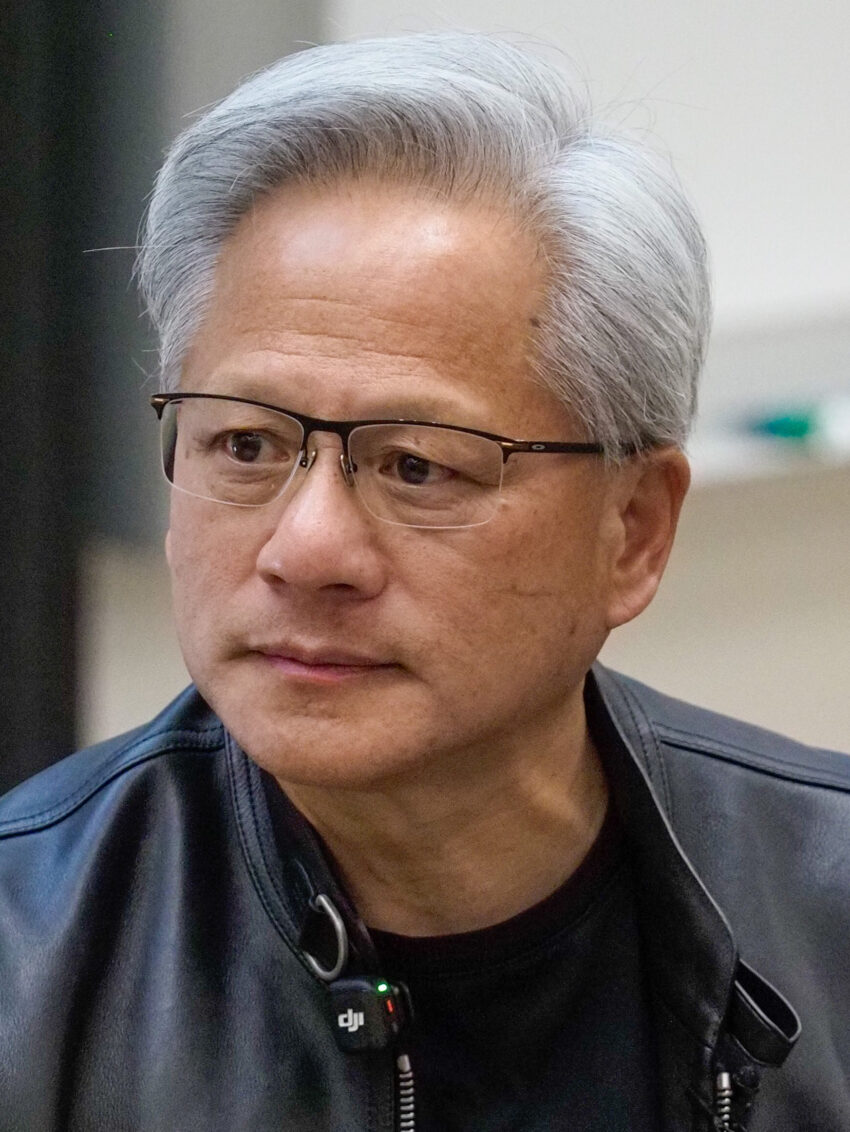
IMAGE: Jensen Huang, founder and CEO of Nvidia, during a fireside chat in Stanford University’s CS 153 course on April 30, 2026.. Photo: Anderseidesvik / Wikimedia, taken 2026-04-30, CC BY-SA 4.0