
The beauty brand replaces “she” with “we” in its famous 35-year-old slogan, launching a new global campaign focused on confidence and self-expression while critics question the wording.
Maybelline New York has updated one of the beauty industry’s most recognizable advertising slogans after 35 years, introducing a new message about confidence and self-expression with singer Miley Cyrus leading the campaign. The change, announced November 10, 2026, has already drawn criticism from consumers who question the wording and punctuation.
The original slogan, “Maybe she’s born with it. Maybe it’s Maybelline,” has become “Maybe. We’re born with it. Maybe. It’s Maybelline.” The updated version forms the centerpiece of a new global advertising platform called The Beauty of Infinite Possibility.
Maybelline says the change reflects a broader understanding of beauty, moving away from judging one woman’s appearance toward celebrating individual identity and personal growth. However, the response has been mixed, with critics arguing that the revised phrase loses the clarity and familiar rhythm of the original.
Why Maybelline Changed Its Famous Slogan
First introduced in 1991, Maybelline’s original tagline became a defining part of the company’s advertising. Its accompanying jingle helped establish the brand among generations of consumers and became widely recognized beyond the cosmetics industry.
The updated version makes two important changes. It replaces “she’s” with “we’re” and adds periods after each use of “Maybe.”
According to the company, changing the pronoun broadens the message from one woman’s appearance to the possibilities available to women collectively. The new punctuation is intended to transform the word “maybe” from an expression of uncertainty into a statement about personal possibility.
Sandrine Jolly, global brand president of Maybelline New York, explained that the company wanted to preserve the recognition associated with its slogan while giving it a different meaning.
In an interview with Marketing Brew, Jolly described an ambiguity in the original wording. The phrase could suggest that a woman’s appearance came either from natural beauty or from using Maybelline products.
The company now wants to emphasize that confidence and individuality already exist within people. Makeup, under that interpretation, becomes a way to express different parts of someone’s identity rather than something that creates personal worth.
The revised message also supports Maybelline’s effort to remain relevant in a cosmetics market where consumers increasingly encounter new brands through social media, celebrities and online creators.
Miley Cyrus Leads the New Global Campaign
Cyrus is central to the updated advertising strategy, continuing a partnership that began when she became Maybelline’s global brand ambassador in 2025.
The singer previously recorded a new interpretation of the brand’s familiar jingle. Her version turned the short advertising melody into a complete song, connecting the company’s cosmetics products with music and personal expression.
Maybelline selected Cyrus partly because of her history of changing musical styles and public appearances throughout her career. From her early television success to her later work as a recording artist, she has frequently adopted new creative directions.
The company believes that history reflects its new message about identity and reinvention. Cyrus has also described makeup as an important part of developing her appearance during different periods of her career.
In Maybelline’s announcement, Cyrus explained that personal identity can remain recognizable even as someone pursues new interests and ambitions. She said the updated message represents the freedom to explore possibilities while remaining true to oneself.
The new campaign includes a 45-second video featuring Cyrus and the revised slogan. Maybelline plans to distribute the advertising through social media and other international marketing channels.
The campaign will also incorporate product launches, collaborations and stories featuring women from different backgrounds and professional fields. The company plans to expand these efforts during 2027.
Social Media Users Criticize New Wording
Although Maybelline describes the update as a message of empowerment, the new wording has attracted criticism almost immediately.
Some social media users questioned why the company changed a slogan that had remained familiar for decades. Others focused on the repeated periods, arguing that separating “Maybe” from the rest of each statement made the phrase sound awkward.
The criticism extended beyond individual consumers. Language-learning company Duolingo joined the discussion on X, posting an image of its owl mascot alongside a message commonly associated with correcting mistakes during language lessons.
Inc. reported that some commenters also criticized the change as an unnecessary attempt to modernize the brand’s message. Others questioned whether the updated slogan communicated its intended meaning clearly enough.
The response illustrates a challenge facing companies that modify well-established advertising campaigns. A familiar slogan can retain strong recognition long after its original introduction, making even small alterations noticeable.
Some marketing observers have defended Maybelline’s approach, arguing that the company is attempting to update its message without abandoning the words consumers already associate with its products.
However, the early criticism does not establish how customers will respond over a longer period. Immediate social media reactions can attract considerable attention without necessarily representing the views of the broader consumer market.
Consumer Research Influences Beauty Brand Strategy
Maybelline says its advertising changes reflect research indicating that consumers increasingly associate beauty with confidence and personal expression.
The company cited McKinsey research finding that slightly more than half of consumers worldwide connect beauty with feeling confident. Approximately 26% associated beauty with looking attractive to others or maintaining a youthful appearance.
Maybelline also referenced a 2026 European consumer study in which 79% of respondents said makeup goes beyond physical appearance by helping people express themselves and feel confident.
These findings help explain the company’s decision to emphasize emotional benefits rather than focusing entirely on cosmetic results. However, the figures describe consumers’ reported attitudes and do not establish that the revised slogan will increase sales.
Competition also provides an important backdrop. Independent beauty brands, influencer-led companies and celebrity-owned cosmetics businesses have expanded the choices available to shoppers.
Inc. cited Piper Sandler’s 2025 survey of American teenagers, which found that 6% identified Maybelline as their favorite beauty brand. E.l.f. and Rare Beauty ranked ahead of Maybelline in that survey.
Those results provide a snapshot of preferences among surveyed teenagers rather than the entire cosmetics market. Still, they help explain why established companies are looking for ways to remain relevant to younger shoppers.
Maybelline Has Changed Its Message Before
The latest revision is not the first time Maybelline has reconsidered its signature advertising language.
The company previously shifted toward the slogan “Make It Happen” during the mid-2010s. It later brought back the familiar “Maybe it’s Maybelline” wording as part of another effort to reconnect with its advertising history.
That return demonstrated the continuing recognition of the original message. Maybelline’s latest campaign attempts to maintain that connection while introducing a broader interpretation.
Unlike a campaign designed around one product, The Beauty of Infinite Possibility is intended to guide several areas of the company’s business.
Jolly told the Los Angeles Times that product innovation, partnerships and consumer engagement would be connected through the new platform. The company plans to evaluate whether the advertising strengthens consumer interest in Maybelline and its products.
This strategy places greater importance on measuring the campaign’s commercial impact rather than simply counting views or social media reactions.
What Comes Next for Maybelline
Maybelline says the new tagline represents a permanent evolution of its brand identity. The company will introduce it across international markets while continuing its partnership with Cyrus.
Future campaigns are expected to feature additional women whose experiences reflect the themes of creativity and personal growth. Maybelline also intends to connect upcoming cosmetics products with the broader advertising message.
The company has not announced plans to reverse the change in response to criticism. Its immediate focus remains the global introduction of the revised slogan and associated marketing.
The early reaction shows that changing a familiar advertising phrase can generate attention as well as disagreement. Maybelline will now have to determine whether its new message produces the stronger consumer connections and business results it seeks as the campaign expands into 2027.
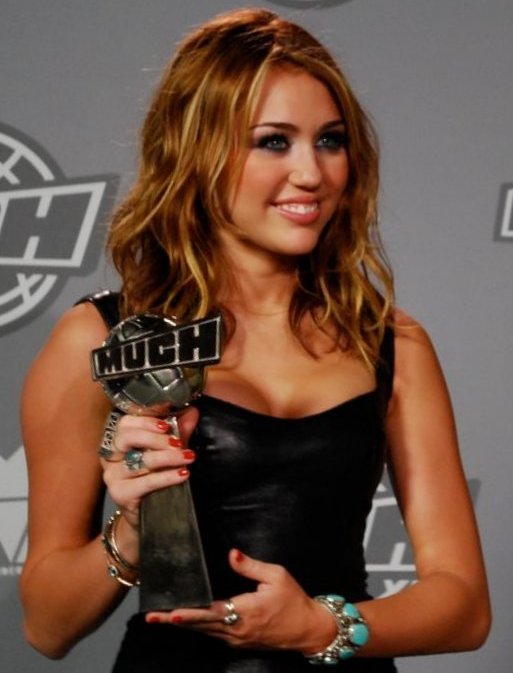
IMAGE: Miley Cyrus at the 2010 Much Music Video Awards.. Photo: Steve Krysak / Wikimedia, taken 2010-06-20, CC BY-SA 2.0