
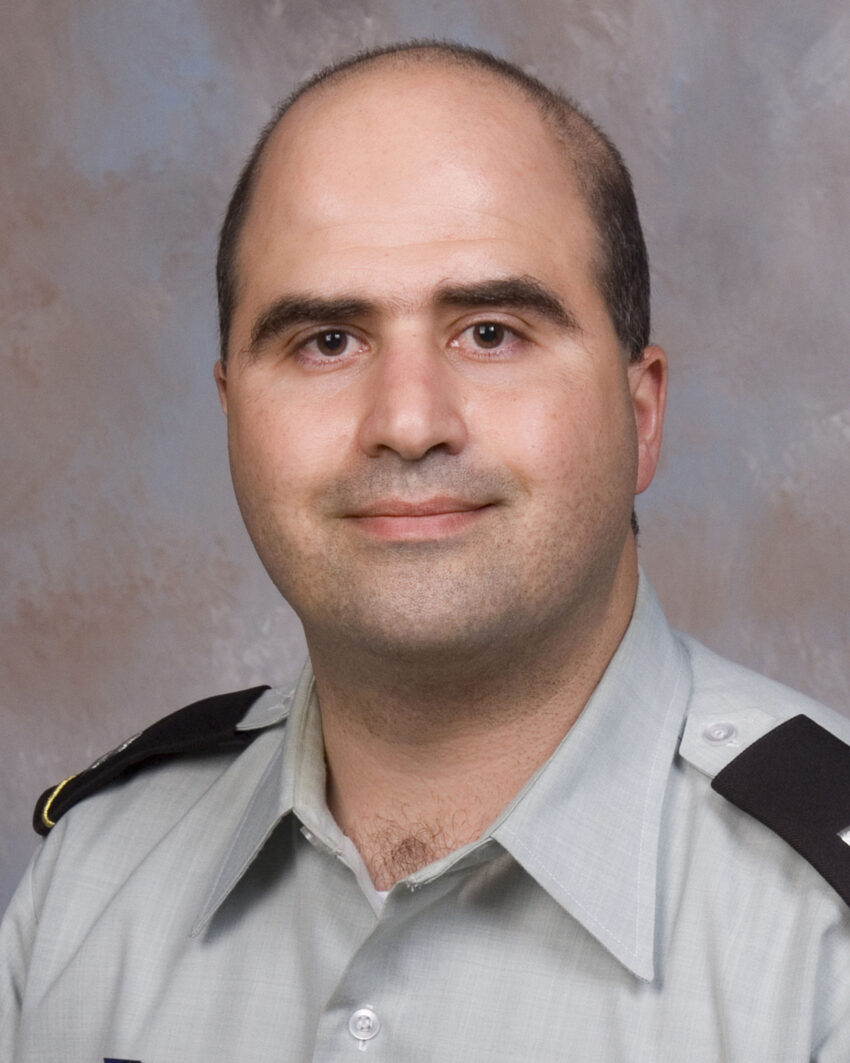
The former Army psychiatrist has asked a federal judge to postpone his scheduled December 3 execution while his attorneys prepare a legal challenge to his military conviction and death sentence.
Nidal Hasan, the former US Army psychiatrist convicted of murdering 13 people at Fort Hood in 2009, has asked a federal court to postpone his scheduled execution. His attorneys filed a request on Tuesday, November 24, 2026, seeking additional time to prepare a legal challenge to his conviction and death sentence.
Hasan is scheduled to be executed by firing squad on December 3 at Fort Hood, Texas. President Donald Trump authorized the execution in October, following a recommendation from Defense Secretary Pete Hegseth.
If carried out, it would represent the first US military execution since 1961. However, the latest court filing introduces uncertainty about whether the sentence will be carried out as scheduled.
Defense Attorneys Seek Federal Court Intervention
Attorneys representing Hasan have requested a stay of execution from a federal court in Kansas.
The request would allow his legal team to prepare a petition for habeas corpus, a legal procedure through which prisoners can challenge the lawfulness of their detention or sentence.
The Associated Press reported that Hasan’s attorneys intend to challenge aspects of his military trial and the legal restrictions placed on his defense.
A federal judge must consider whether sufficient grounds exist to postpone the execution while those arguments are examined.
Filing a request for a stay does not automatically suspend a death sentence. The court must issue an order before the scheduled execution can be legally halted.
ACLU Calls for Protection of Legal Rights
The American Civil Liberties Union of Kansas is participating in Hasan’s legal representation.
The organization has acknowledged the devastating consequences of the Fort Hood attack while emphasizing the government’s responsibility to protect constitutional and procedural rights.
Anna Arceneaux, deputy director of the ACLU’s Capital Punishment Project, said the seriousness of the crimes does not eliminate the government’s obligation to uphold fundamental principles of justice.
The organization’s involvement reflects its longstanding opposition to capital punishment and its advocacy for procedural protections in death penalty cases.
The legal challenge concerns whether Hasan has received the protections required under applicable law. It does not reverse his existing conviction or diminish the harm suffered by victims and their families.
Military Execution Would End a 65-Year Gap
The US military retains capital punishment as a sentencing option for certain serious offenses under the Uniform Code of Military Justice.
However, executions involving military prisoners have become extremely rare.
The last US military execution occurred in 1961. Since then, military death penalty cases have faced lengthy appeals, presidential reviews, and challenges in civilian courts.
Unlike civilian criminal proceedings, military death sentences require presidential approval before they can be carried out.
The Army announced Hasan’s execution date on October 6, following the required executive authorization.
His case has renewed attention to the procedures governing military capital punishment and the relationship between military and civilian judicial systems.
Background of the Fort Hood Case
The attack at Fort Hood occurred on November 5, 2009, causing extensive suffering throughout the military community.
Hasan was an Army major and trained psychiatrist at the time.
A military court convicted him in August 2013 and sentenced him to death. His case subsequently underwent years of review through the military appeals system.
The passage of time between his conviction and scheduled execution reflects the extensive legal review associated with military capital cases.
The events of 2009 continue to affect survivors, victims’ relatives, and members of the Fort Hood community.
Other Military Death Penalty Cases Provide Context
Hasan is among four prisoners currently facing death sentences under the military justice system.
One previous case demonstrates how presidential approval does not necessarily result in an immediate execution.
In 2008, President George W. Bush approved the execution of military prisoner Ronald Gray. A federal judge subsequently granted a stay, allowing Gray to pursue additional legal challenges.
Reuters reported that Gray’s execution remains postponed.
Although Hasan’s circumstances differ, the earlier case illustrates how federal judicial review can significantly affect the implementation of a military death sentence.
The duration and outcome of Hasan’s latest legal challenge will depend on the arguments presented and subsequent court rulings.
Survivors Face Restrictions on Witnessing Execution
Separate from Hasan’s legal challenge, questions have arisen about which survivors will be permitted to attend the execution.
Military authorities have rejected requests from three survivors who sought permission to witness the sentence being carried out.
Officials cited regulations governing eligibility to attend military executions. The decision has added another source of frustration for individuals affected by the attack.
The issue demonstrates how the legal and administrative procedures surrounding capital punishment can continue affecting victims long after a criminal conviction.
December 3 Execution Date Remains Uncertain
The Army’s execution order remains in place while Hasan’s attorneys pursue federal judicial intervention.
Although military officials have continued preparations, the court could postpone the execution to allow further examination of the legal issues.
No final ruling granting the requested stay had been confirmed as of November 24.
For survivors and victims’ families, the latest filing introduces another period of uncertainty more than 17 years after the attack.
The immediate question is whether the federal court will suspend the December 3 execution while Hasan’s attorneys prepare their formal petition challenging his military conviction and sentence.
IMAGE: Nidal Hasan photographed in 2007 at the Uniformed Services University of the Health Sciences. Hasan was a United States Army captain at the time of the photo.. Photo: Uniformed Services University of the Health Sciences / Wikimedia, taken 2007-00-00, Public domain