
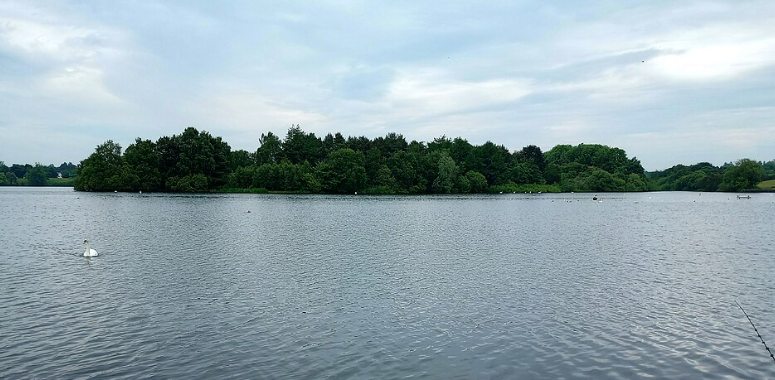
Seven floating islands installed following the 2026 Commonwealth Games aim to improve water quality, support native wildlife and provide Glasgow with a lasting environmental legacy.
Glasgow is creating new habitats for wildlife through the installation of seven floating gardens following the 2026 Commonwealth Games. The islands cover a combined area of 248 square meters across five locations in the Scottish city. Designed to improve water quality and encourage biodiversity, the project provides an environmental benefit that could continue for decades after the international sporting event.
The floating gardens are part of a broader effort to ensure that Glasgow benefits from hosting the Games long after athletes and spectators have departed. Local volunteers helped plant the islands with native vegetation, creating habitats for birds, insects and aquatic organisms. The structures are also designed to help address water quality problems affecting urban ponds.
Five Glasgow Locations Benefit From Floating Gardens
The installations are distributed across four public parks and one nature reserve. These include Elder Park in Govan, Richmond Park in the east end, Victoria Park in the west end and Queen’s Park on the southside. Additional floating habitat has been introduced at Hogganfield Loch nature reserve.
According to ScottishNews.com, the islands were designed and installed by Biomatrix Water Solutions, an environmental engineering company based in Forres, Scotland. The company specializes in developing floating ecosystems that restore natural habitats in urban waterways. Its projects combine vegetation with engineered structures capable of supporting plant growth on the water.
The platforms were constructed using recycled plastic from water pipes, giving discarded materials a new purpose. Glasgow 2026 organizers expect the structures to remain functional for more than 20 years.
How Floating Gardens Improve Water Quality
Floating gardens imitate some of the natural processes found along the edges of rivers, ponds and lakes. Plants grow above the surface while their roots extend into the water beneath the platforms. These roots absorb nutrients and provide surfaces where beneficial microorganisms can develop.
Excessive concentrations of nutrients such as nitrogen and phosphorus can encourage rapid algae growth. Large algae blooms may block sunlight, while the decomposition of algae can reduce oxygen levels in the water. Certain types of cyanobacteria, commonly called blue-green algae, can also produce toxins harmful to people and animals.
The floating gardens are intended to reduce these problems by absorbing some of the excess nutrients. However, their effectiveness depends on local water conditions, plant growth and the sources of pollution entering each pond. Floating wetlands are not a replacement for addressing pollution at its source.
The islands also create sheltered environments that can benefit aquatic insects and other small organisms. Above the surface, vegetation provides potential feeding and nesting areas for birds, particularly where natural shoreline habitats are limited.
Local Volunteers Help Restore Natural Habitats
Community participation has been an important part of the Glasgow project. Volunteers from local park organizations helped populate the floating platforms with plants suited to Scottish aquatic environments. The selected species include marsh marigolds, water forget-me-nots, water mint, bulrushes, reeds and sedges.
These plants offer different environmental benefits throughout the growing season. Flowering species provide food for pollinating insects, while taller vegetation can offer shelter for wildlife. Their underwater roots contribute to the development of a more complex aquatic habitat.
The BBC reported that Glasgow City Council had previously considered introducing floating islands but lacked the necessary funding. The Commonwealth Games provided an opportunity to support that ambition through an environmental legacy project.
The installations also give residents opportunities to observe wildlife in familiar public spaces. As the vegetation matures, the floating gardens may become increasingly attractive to birds and insects.
Glasgow 2026 Reports Environmental Achievements
The Commonwealth Games were organized around a smaller event model that relied heavily on existing sporting facilities. By avoiding extensive construction and reducing demand for new infrastructure, organizers sought to limit the environmental costs traditionally associated with major international sporting events.
An independent evaluation published on November 2 examined the Games’ environmental and social impact. The assessment was conducted by sustainability consultancy The Bulb in partnership with the Centre for Culture, Sport and Events at the University of the West of Scotland.
Organizers reported that their planning and operational measures avoided an estimated 19,021 metric tonnes of carbon dioxide equivalent emissions. Renewable electricity and lower-emission transportation formed part of the environmental strategy. Glasgow 2026 also achieved independent certification under ISO 20121, an international standard for sustainable event management.
Commonwealth Sport announced that organizers were investing in verified carbon credits associated with a 100-megawatt wind power project in Gujarat, India. That investment represents a separate measure from the emissions avoided through event planning and delivery.
Building on Glasgow’s Environmental Commitments
Glasgow has previously hosted major international events focused on environmental responsibility, including the United Nations COP26 climate conference in 2021. The floating gardens represent a smaller, locally focused effort to translate environmental commitments into visible improvements within the city.
Unlike temporary decorations or infrastructure installed exclusively for sporting events, the islands are intended to become permanent features of Glasgow’s public spaces. Their long-term value will depend on maintenance, healthy vegetation and the development of wildlife habitats.
The gardens also demonstrate how recycled materials and native plants can be incorporated into urban environmental restoration. As the islands become established, their effects on water quality and local biodiversity will provide a more meaningful measure of the project’s environmental success.
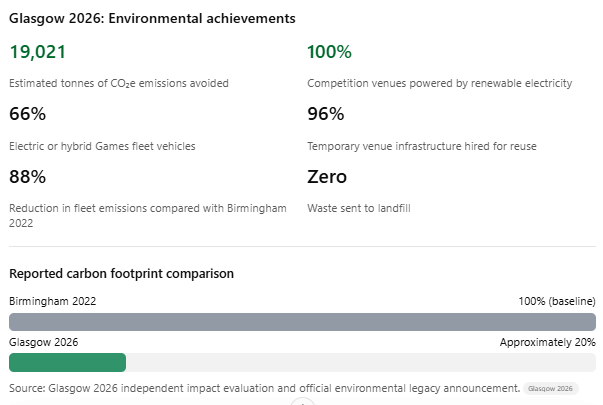
IMAGE: Hogganfield Loch HogSource Geograph Britain and Ireland Edit this at Structured Data on Commons Author Jim Smillieganfield Loch CC2