
Bitcoin approaches the November 10 inflation report near $75,000 as Federal Reserve uncertainty, a massive Binance theft and political changes threaten to complicate any potential recovery.
Bitcoin faces an important test on Tuesday, November 10, as the United States prepares to release October inflation figures that could influence interest rates and cryptocurrency prices. The world’s largest cryptocurrency has fallen to its lowest levels in more than two months, leaving investors concerned about whether the latest economic report will support a recovery or trigger additional selling.
Bitcoin dropped to approximately $73,708 on Sunday, its lowest level since August, before recovering to around $74,750 early Tuesday. The decline follows a difficult period for digital assets, with investors weighing inflation concerns, political changes and the aftermath of a major security breach at cryptocurrency exchange Binance.
The Bureau of Labor Statistics is scheduled to release October’s Consumer Price Index (CPI) at 8:30 a.m. Eastern Time on November 10. The report will provide another indication of whether inflation is slowing enough to ease pressure on the Federal Reserve.
However, a favorable inflation reading may not be sufficient to reverse Bitcoin’s recent weakness. Analysts say a sustained recovery will also depend on stronger demand, improving market liquidity and renewed investment in cryptocurrency funds.
Inflation Data Could Influence Bitcoin’s Next Move
Economists expect consumer prices to rise approximately 0.3 percent in October, compared with September’s 0.6 percent increase. Core inflation, which excludes food and energy prices, is expected to rise about 0.2 percent after increasing 0.3 percent in September.
The distinction between headline and core inflation will be important. Falling gasoline prices could reduce the overall inflation rate, while continued increases in housing, services and other essential expenses could suggest that underlying price pressures remain elevated.
September’s annual inflation rate reached 3.7 percent, according to the Bureau of Labor Statistics. That remained significantly above the Federal Reserve’s long-term target of 2 percent.
October’s report will also contain an unusual limitation. Because the 2025 federal government shutdown prevented the collection of complete October 2025 price data, the government cannot calculate normal annual inflation comparisons for many categories.
The Bureau of Labor Statistics has explained that most affected indexes will not have October 2026 year-over-year percentage changes. Investors will therefore need to place greater emphasis on monthly movements and comparisons with other available economic reports.
That limitation could make the market’s initial response more difficult to interpret. A favorable monthly reading would provide encouraging evidence, but it would not establish that inflation has returned to the Federal Reserve’s target.
Federal Reserve Faces Another Interest Rate Decision
The inflation figures arrive after the Federal Reserve raised interest rates in September for the first time in three years. Policymakers increased the benchmark federal funds rate by a quarter of a percentage point, bringing its target range to 3.75 percent to 4 percent.
The central bank held rates steady at its October 27-28 meeting, although the decision revealed disagreement among officials. Two members of the Federal Open Market Committee voted against the pause, preferring another quarter-point increase.
The disagreement reflects competing concerns about inflation and the broader economy. Some policymakers believe additional tightening may be necessary to control rising prices, while others want more evidence before changing borrowing costs again.
The Fed’s next policy meeting is scheduled for December 8-9. October’s inflation report will be an important part of the information available to officials as they consider whether another increase is appropriate.
Higher interest rates can make speculative investments less attractive by increasing borrowing costs and improving returns on safer assets. Bitcoin often responds to changes in expectations for monetary policy, although its price is also influenced by cryptocurrency-specific developments.
A weaker inflation reading could reduce expectations of another rate increase and support riskier investments. A stronger reading could have the opposite effect, particularly if it pushes Treasury yields and the U.S. dollar higher.
Binance Theft Adds Pressure to Cryptocurrency Markets
Inflation is only one challenge facing Bitcoin. Investors are also responding to the October 29 security breach at Binance, one of the largest incidents involving a cryptocurrency exchange.
Binance said approximately $6.34 billion in digital assets were affected by the attack. The company reported that about $2.85 billion had been frozen or intercepted by November 3, while it continued working with authorities and other organizations to recover additional funds.
The exchange said it had set aside enough resources to cover customer losses. It also announced additional security measures intended to prevent similar attacks.
Blockchain analysis firm Chainalysis attributed the attack to TraderTraitor, a cybercrime group linked to North Korea. The attribution is based on blockchain investigation and intelligence analysis, while Binance has continued working with law enforcement to establish responsibility.
The incident has raised questions about security across the cryptocurrency industry. Even when exchanges promise to reimburse affected customers, major breaches can weaken investor confidence and increase concerns about storing digital assets on trading platforms.
The attack occurred shortly before the U.S. midterm elections, adding another source of uncertainty. Reuters reported that cryptocurrencies fell to two-month lows as traders assessed the possibility of stricter regulation under a Democratic-controlled Congress.
Political changes do not automatically produce new cryptocurrency rules. However, investors are closely watching whether lawmakers will pursue greater oversight of exchanges, digital asset trading and consumer protections.
Bitcoin’s Recovery Depends on More Than Inflation
Bitcoin’s recent price movement suggests that investors remain cautious about the broader market. The cryptocurrency reached above $87,000 in early October before retreating sharply over the following weeks.
Analysts have identified the $73,000 to $74,000 range as an important area of support. A sustained decline below those levels could lead to additional selling, particularly among traders using borrowed money.
A stronger recovery would require more than briefly pushing Bitcoin above $75,000. Analysts have pointed to $80,000 as an important level that could indicate improving demand if prices move above it and remain there.
Investment flows into U.S. spot Bitcoin exchange-traded funds will also be closely monitored. These funds allow investors to gain exposure to Bitcoin through conventional brokerage accounts, creating another channel for institutional and individual demand.
CoinDesk reported that analysts at digital asset research firm BRN believe inflation relief alone may not produce a lasting rally. The firm emphasized that stronger buying activity and sustained ETF inflows would be needed to support a more durable recovery.
Market participants will also examine how traditional financial assets respond to the CPI report. If Bitcoin rises while Treasury yields fall, the dollar weakens and stocks advance, the reaction could suggest a broader improvement in investor confidence.
A short-lived price increase would provide less convincing evidence. Bitcoin has experienced temporary rebounds during previous market declines, making sustained trading activity and demand important indicators.
Other economic reports could quickly reshape expectations after Tuesday’s release. The government is scheduled to publish October producer price figures on November 13, while minutes from the Federal Reserve’s October meeting are due November 18.
The Fed’s preferred inflation measure, the Personal Consumption Expenditures price index, is also scheduled for release later in November. Together, these reports will provide more information about the direction of inflation before December’s interest rate decision.
For Bitcoin investors, the October CPI report represents an important checkpoint rather than a guaranteed turning point. Whether the cryptocurrency can recover from its two-month lows will depend on how inflation expectations, monetary policy and investor demand develop in the weeks ahead.
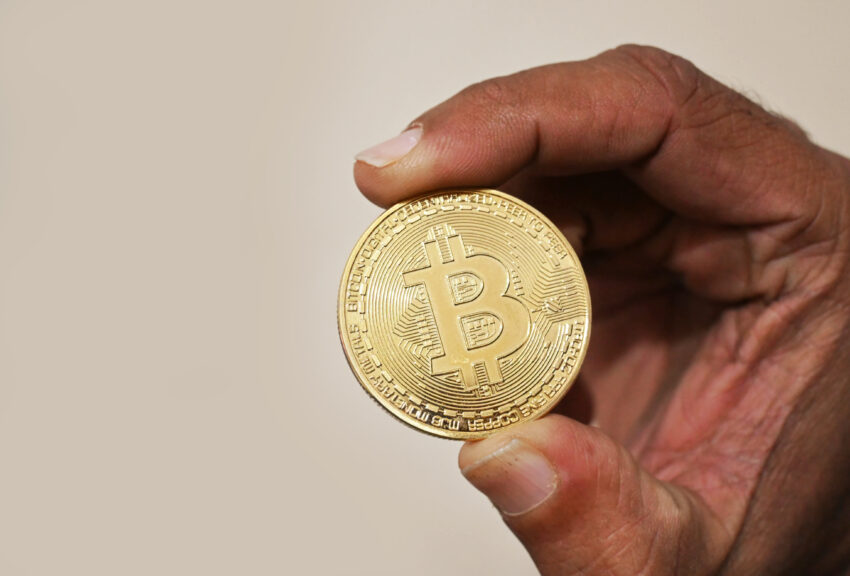
IMAGE: Holding Bitcoin cryptocurrency coin in hand. Stock photography by Satheesh Sankaran. Photo: Satheesh Sankaran / Wikimedia, taken 2023-02-13, CC BY 2.0