
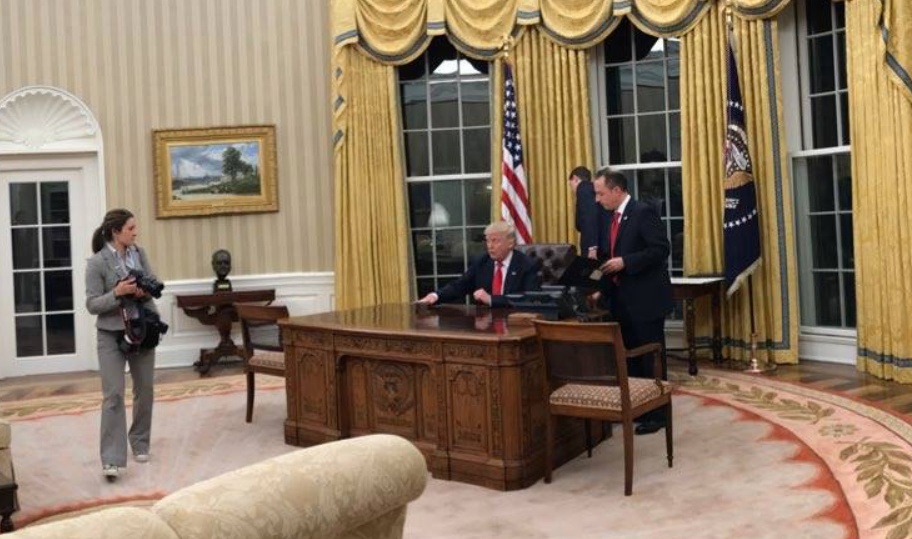
President Donald Trump has spent nearly two years asserting that the U.S. was about to enter a period of strong economic growth. The August employment figures offered some relief after months of weak job creation and growing concerns over inflation that have affected both Trump and his party. However, during an Oval Office address, Trump instead focused on complaints about inflation and rising interest rates.
He criticized trade relationships with other countries, suggesting that success does not lead to inflation, according to The Associated Press. The combination of slower job growth and higher prices has undermined Trump’s claim of an immediate economic turnaround, according to a report from ABC News. At a rally in August 2024, Trump had promised that a win would bring a new economic boom under his leadership.
He also raised concerns about government debt and threatened to cut off trade with foreign nations if needed. Interest rates have been rising due to persistent inflation, which has been influenced by tariffs and oil supply disruptions from the Iran conflict. As promised growth has not materialized, public trust in Trump’s economic leadership has declined.
Economist Joe Brusuelas noted that the administration’s credibility on economic matters has taken a hit due to unmet expectations. His own policies have contributed to inflation and high interest rates that he now blames on others. Trump disagreed with standard monetary policy concepts, claiming that GDP would grow at 12, 13, 14, 15% if interest rates were lower.
He suggested the U.S. could surpass all previous economic records if conditions were more favorable. Polling data from mid-summer showed Trump’s approval rating on economic issues at only 32 percent. His threats to restrict foreign trade could further harm economic performance and damage his political standing.
Recent tariffs on Canada have already caused problems for Republican candidates in key Senate races. White House officials argue that their policies are working as intended despite the current economic challenges. They believe advancements in artificial intelligence will increase productivity and support growth.
They also claim that recent tariffs will bring manufacturing jobs back to the U.S., while tax cuts will encourage business investment. Christopher Phelan, chairman of the White House Council of Economic Advisers, said job gains have been about twice what is needed to match population growth. However, rising costs for Social Security and Medicare mean that growth alone won’t significantly reduce budget deficits.
Treasury Secretary Scott Bessent promoted the benefits of stronger economic growth during a G20 finance summit in North Carolina. There is political risk involved in trying to reduce a budget deficit that is projected to exceed $3 trillion within a decade.
IMAGE: Credit: The White House on Facebook Public Domain