
Scientists and public health workers are using chickens as early warning systems to spot outbreaks of dangerous mosquito-borne diseases before they spread widely. These birds, known as sentinel chickens, help track viruses such as West Nile and eastern equine encephalitis by showing whether infections are present in certain areas. The approach gives health officials important clues about viral activity so they can decide when to step up mosquito control or warn the public.
Sentinel chickens are placed at specific monitoring sites and tested regularly for signs of infection, according to see.news. Blood samples are checked for antibodies that show if the birds have been exposed to certain viruses. Chickens are useful because they can catch these infections without getting very sick themselves. They also do not usually pass the virus directly to humans, making them safe to use as biological indicators. Mosquitoes often get infected from birds before they can transmit the disease to people or animals. If chickens test positive for antibodies, it may mean that mosquitoes carrying the virus are nearby. This information helps health workers identify places where human infections might be rising.
West Nile virus is one of the main diseases tracked through this method. The virus spreads mainly between birds and mosquitoes, with humans sometimes getting bitten and infected. Most infections cause no symptoms or only mild illness, but some can lead to serious brain problems. Sentinel chickens also help watch for eastern equine encephalitis, which can be very dangerous in humans and horses. Results from the birds are combined with other data like mosquito testing, sick animal reports, weather, and human health records. Together, this information helps officials understand how viruses are spreading and where to act quickly.
In many areas, chickens are tested during warm months when mosquito activity is higher. When tests come back positive, authorities often increase spraying and advise people to take steps like using insect repellent. Orange County issued a mosquito-borne illness advisory in August after several sentinel chickens tested positive for West Nile virus. The county increased mosquito surveillance and targeted treatments in affected areas.
Scientists are now exploring new technologies to improve how quickly viruses are found in chickens. Molecular tests can find genetic material from viruses in poultry blood. Thermal imaging systems may detect changes in body temperature before symptoms appear. These tools could help farmers respond faster to diseases like avian flu and respiratory infections. Research has found that thermal imaging can identify temperature changes in chickens before visible signs of avian influenza appear. Such systems are especially helpful for farms where an outbreak can spread fast and cause large losses. Early detection allows farmers to isolate sick birds and improve safety measures between farms.
Still, sentinel chickens and automated systems do different jobs. Chickens are mainly used to detect viruses in the environment, while newer tools focus on checking individual birds or flocks.
In Florida, mosquito bites have become more than just a nuisance this summer. The state is seeing cases of dengue fever, chikungunya, and West Nile virus. Florida has now reported 152 locally acquired dengue infections in 2026. That is the state’s second-highest annual total after 2023.
Many people are getting infected without traveling abroad — they’re being bitten right in their own neighborhoods. Earlier state data through September 5 showed 111 locally acquired cases in six Florida counties. Hillsborough County accounted for 95 of those cases at the time. The outbreak has continued growing and more than 130 locally acquired infections have now been reported in Hillsborough County.
Florida has also confirmed a dengue-related death. The Tampa Bay Times identified the victim as Gay Small, an 80-year-old Tampa woman who died on September 4. The Florida Department of Health later confirmed a dengue-related death but did not publicly provide the patient’s identity.
Symptoms include sudden high fever and a rash that appears days later. There is no specific treatment or medicine for dengue, only supportive care such as rest, fluids and appropriate fever treatment. Dr. Rana Chakraborty from the University of Miami said many people don’t even know they’re infected. CDC says about one in four people infected with dengue develop symptoms. About one in 20 people who become sick with dengue develop severe disease.
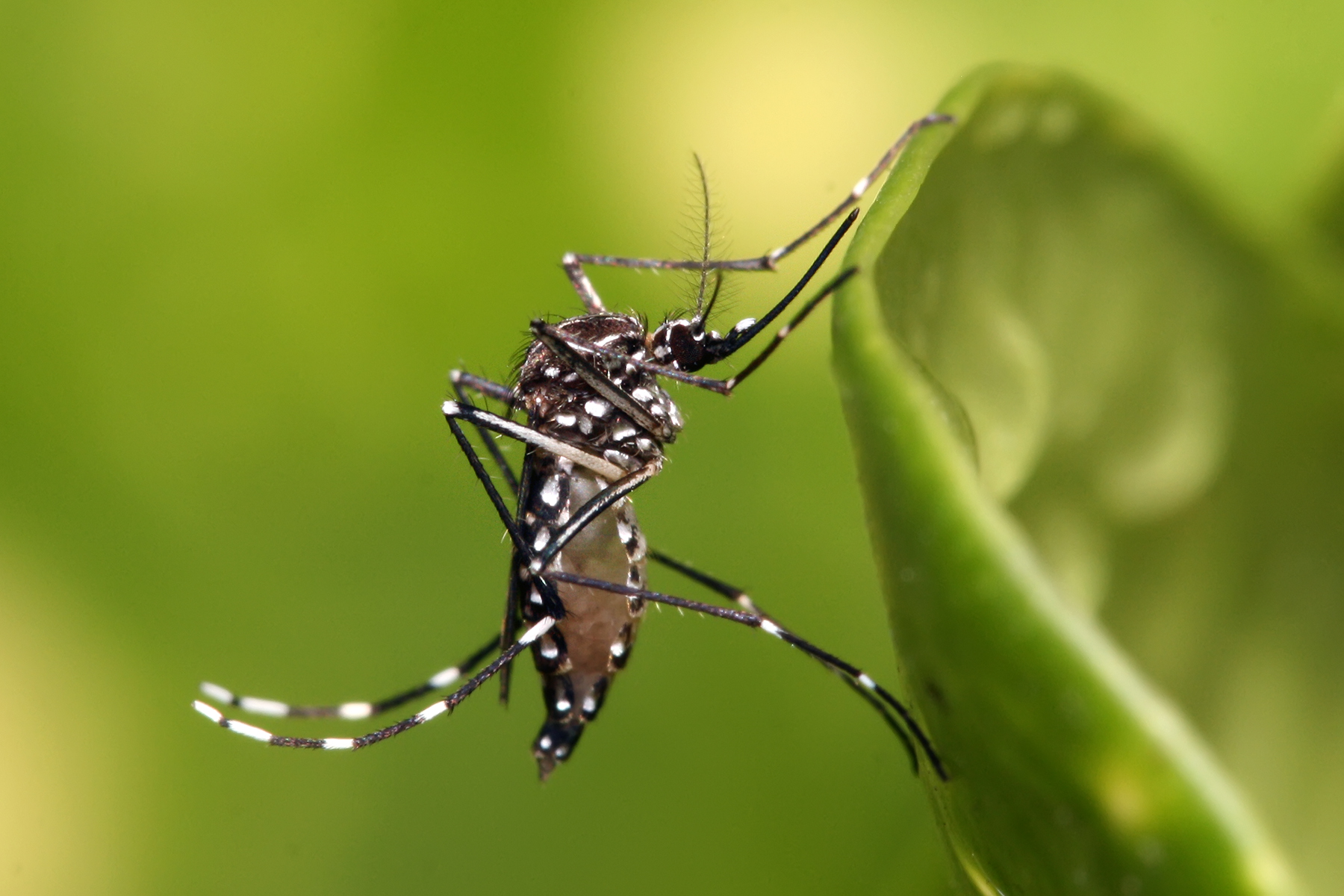
The two main mosquito species capable of spreading dengue in Florida are Aedes aegypti and Aedes albopictus. These daytime biters are easy to spot by their dark bodies and white markings. They can also spread viruses including Zika and chikungunya. County workers are setting traps in parks and neighborhoods where cases have been found. Adriana Toro from Broward County explained how teams respond to suspected dengue cases by spraying nearby areas. Broward has used special spray technology and tested drains for mosquito breeding spots. Toro said they stay ahead of outbreaks instead of waiting for them to happen.
Global travel is a big reason dengue reaches Florida. Through the week ending September 5, Florida had reported 160 travel-associated dengue cases. Most involved travelers returning from Cuba. Hotter weather and more rain are also making conditions better for mosquito growth. Florida has seen travel-related chikungunya cases and locally acquired West Nile infections.
Orange County Mosquito Control issued a warning after sentinel chickens tested positive for West Nile virus. Florida health officials continue statewide surveillance for West Nile virus, eastern equine encephalitis, St. Louis encephalitis, dengue, chikungunya and other mosquito-borne illnesses.
Health officials are urging residents to protect themselves and their communities. They suggest using insect repellent, covering up when possible, and removing standing water around homes. Florida officials commonly recommend draining standing water from containers such as tires, buckets and flower pots where mosquitoes can breed.
The current dengue outbreak is centered largely in the Tampa area, with control teams increasing mosquito spraying and checking neighborhoods for breeding sites. They also check for water pools in tires and other places where mosquitoes breed. Officials have brought in additional equipment and assistance as Hillsborough County responds to the outbreak.
Florida’s highest number of locally acquired dengue cases in recent years occurred in 2023. This year, Florida already has 152 confirmed local infections, ranking second for the year so far. Some people experience headaches and flu-like symptoms after being bitten. Severe cases can lead to serious bleeding, shock, and even death.
The rise in dengue and the West Nile detections show why health departments continue using several surveillance tools at once. Sentinel chickens remain one of those tools because they can reveal mosquito-borne virus activity before large numbers of human cases appear.
Image: Muhammad Mahdi Karim / Wikimedia Commons (GFDL 1.2)