
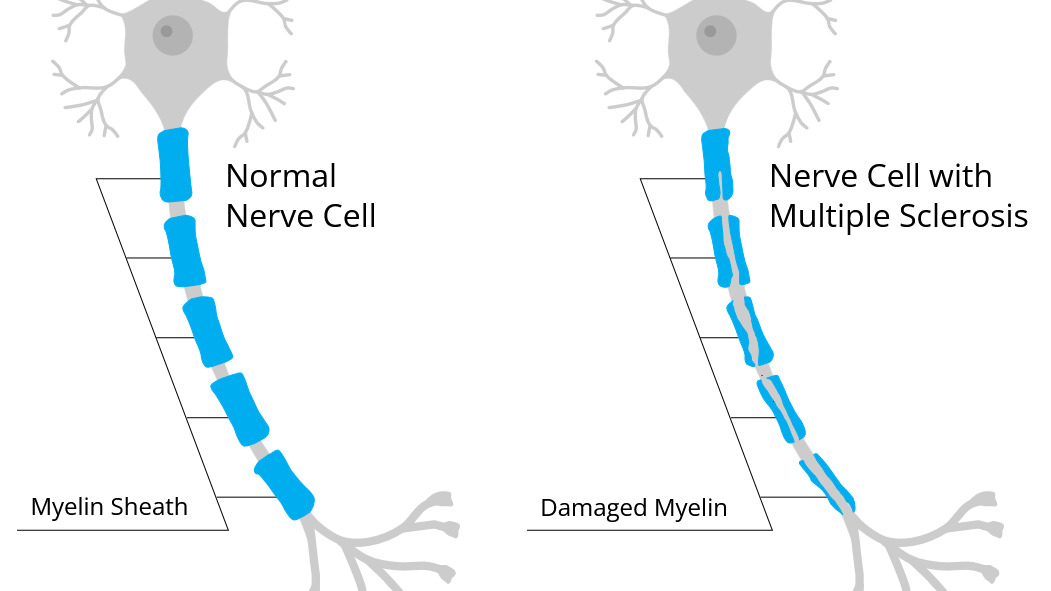
Novartis has announced positive outcomes from two phase 3 clinical trials involving its oral medication remibrutinib for patients with relapsing multiple sclerosis. The company said remibrutinib significantly outperformed Aubagio, an older oral therapy for MS, in reducing the annualized relapse rate and new brain lesions seen on MRI scans. These results were part of the REMODEL-1 and REMODEL-2 studies, which also showed a meaningful delay in disability progression among participants. The Swiss pharmaceutical company plans to submit marketing applications for remibrutinib in multiple sclerosis across global regulatory bodies.
Remibrutinib is already approved in the United States, European Union, and Japan for treating chronic spontaneous urticaria under the brand name Rhapsido. Novartis expects remibrutinib to become a major revenue generator, with forecasts suggesting peak annual sales could reach as high as $9 billion. The drug is one of three key pipeline assets for Novartis, alongside a cardiovascular treatment targeting lipoprotein(a) and a therapy for Duchenne muscular dystrophy. Despite improvements in MS treatments, there remains a need for effective oral therapies that can prevent relapses and slow disease progression while maintaining good safety profiles.
Novartis’ share price rose by over 4% following the announcement of these trial results, according to Yahoo Finance. The company has also been testing remibrutinib in other immune-mediated and neurological conditions, including generalised myasthenia gravis and hidradenitis suppurativa, according to a report from pharmaphorum.com. BTK inhibitors like remibrutinib are known for their use in cancer treatment, but pharmaceutical companies have increasingly turned to them for autoimmune disorders. This approach has faced challenges, with Merck & Co.’s candidate and Sanofi’s failing in MS trials due to safety concerns or lack of efficacy. Some competitors have had setbacks, such as Merck & Co.’s candidate which was halted due to liver-related side effects. Sanofi’s BTK inhibitor also showed limited success in relapsing MS but performed better in a less common form of the disease. Roche, another major player, has claimed success with its own BTK inhibitor in MS studies.
Novartis’ results have sparked optimism among analysts about the future of remibrutinib in treating MS. The company’s chief medical officer noted that although progress has been made, there is still a strong need for better oral therapies in MS. In addition to its work on multiple sclerosis, Novartis continues to explore remibrutinib’s potential in other inflammatory and neurological diseases. The safety profile of remibrutinib has remained consistent with earlier clinical findings, supporting its continued development.
Novartis’ research into remibrutinib reflects broader industry efforts to find better options for people living with multiple sclerosis. The company’s progress in this area comes after a recent pause in other clinical trials involving CAR-T therapies for autoimmune diseases, dailymail.com reported. One of those paused studies involved a CAR-T therapy that modifies immune cells to target harmful ones. The trials were halted due to concerns related to a rare but serious condition called IEC-HS, which was seen in one patient during an earlier phase of testing. These studies focused on conditions like lupus, rheumatoid arthritis, and multiple sclerosis, as well as nerve and muscle disorders. While some cancer-related CAR-T trials are still ongoing, the autoimmune-focused ones have been paused.
The pause in these studies does not affect Novartis’ progress with Rap-cel, which continues to show strong results for MS patients. Novartis’ success with remibrutinib in MS may help shape future treatment strategies for immune-mediated diseases. The company’s ability to develop effective therapies across multiple disease areas demonstrates its commitment to advancing patient care.
With continued research and regulatory support, remibrutinib could become a standard treatment option for many people with relapsing multiple sclerosis. The company’s efforts in both MS and other immune-related conditions highlight the growing potential of BTK inhibitors as a class of drugs. Novartis’ ongoing clinical work suggests that more effective and safer treatments for autoimmune diseases may be on the horizon.
The results from these trials provide renewed hope for patients seeking better options to manage their condition.
IMAGE: Mjeltsch Creative Commons Attribution-Share Alike 4.0 International