
Micron Technology’s stock saw an increase after a recent downturn in the memory chip sector. Micron shares rose about 5.5% on Thursday as semiconductor stocks recovered from losses earlier in the week. SK Hynix gained about 5% and SanDisk rose more than 6%.
The rise came as oil prices and Treasury yields fell one day after the Federal Reserve raised interest rates by a quarter of a percentage point. The increase was the Fed’s first rate hike since July 2023. West Texas Intermediate crude fell to about $100.93 a barrel during Thursday trading, its lowest level since September 11. Brent crude fell to about $103.65. The 10-year Treasury yield also declined and ended the day near 4.93%, according to Reuters and the Associated Press.
Investors were also considering whether the growth of artificial intelligence might slow down, which could reduce demand for memory chips and data-center infrastructure, according to invezz.com. Earlier losses in semiconductor stocks followed concerns that calls for slower AI development could eventually reduce spending on data centers and related equipment.
Arya is Bank of America semiconductor analyst Vivek Arya. In a note to clients, Arya said that next year is still expected to be very busy for companies providing computing power, networking parts, and memory chips. Arya said he sees no signs that orders, supply agreements or chip pricing are slowing. He expects the semiconductor industry’s total addressable market to reach about $3.2 trillion by 2030 compared with an estimated $1.7 trillion this year.
Intel CEO Lip-Bu Tan separately said the industry is facing tight memory supply, with many projects delayed because enough memory cannot be secured. Tan made the comments at the AI Infrastructure Forum in Santa Clara, California. Tan said memory prices have risen five to seven times. This shortage has caused delays across various tech projects that rely on memory components.
The situation reflects a broader concern in the industry about how quickly demand is rising and whether supply can keep up.
Intel recently warned that the memory shortage could become more severe. Tan said capacity remains limited and predicted that the situation would get worse. His comments helped support shares of memory producers such as Micron because continued shortages can give suppliers more pricing power.
Investors are now closely watching how companies like Micron respond to these conditions. The ongoing tightness in the memory chip supply chain has raised questions about long-term capacity and pricing.
Some analysts believe that while short-term demand may be strong, future trends are uncertain. TD Cowen analyst Krish Sankar said investors could increasingly view the current memory cycle as more durable even after the rapid expansion in manufacturers’ profit margins begins to slow.
Micron’s performance has been a key indicator for the sector’s overall health. The company’s recent gains may reflect investor optimism about its ability to meet rising demand. Micron is one of the major suppliers of DRAM and high-bandwidth memory used in AI systems. Strong AI data-center construction has contributed to demand for those products.
Market watchers are also paying attention to how future Fed decisions might influence investment trends in tech stocks. The interplay between global economic factors and chip demand has become a central theme for investors. Falling Treasury yields can help technology stocks because lower yields reduce some of the pressure on valuations and borrowing costs.
As Tan said memory prices have risen five to seven times, companies that need large quantities of memory are under pressure to secure supplies and plan accordingly. This environment has led to a mix of caution and optimism among market participants. Tan said the shortage is particularly difficult for manufacturers of midrange and lower-priced phones and laptops because higher memory costs are harder to absorb in those products.
The memory chip industry remains highly sensitive to shifts in technology trends and global economic conditions. Investors are watching closely for signs that demand will stabilize or continue to grow.
Micron’s stock movement is seen as a reflection of broader industry dynamics and investor sentiment. Micron’s ability to manage supply chain issues will likely be key in shaping future performance.
With memory chips at the heart of modern computing, any disruption in supply can have wide-reaching effects. High-bandwidth memory has become particularly important in AI servers because advanced processors need large amounts of memory operating at high speeds.
The recent developments show how interconnected global markets are with technology trends. Investors continue to assess the balance between rising demand and limited production capabilities.
The outlook for memory chip stocks remains uncertain as companies navigate these challenges. For now, Intel’s warning is about too little memory supply rather than weak memory demand. That distinction helps explain why Micron shares rose after Tan’s comments instead of falling.
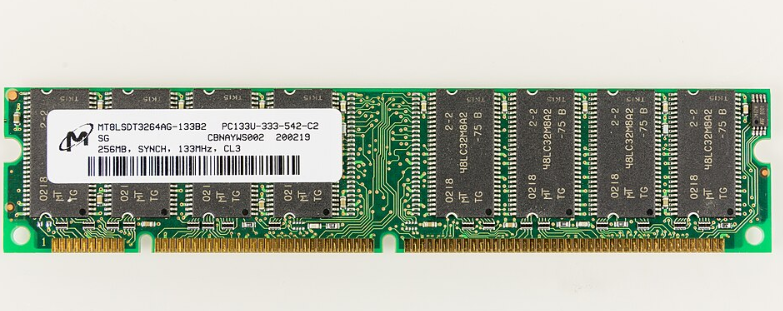
IMAGE: Micron Technology Memory Raimond Spekking CC4