
Patients dealing with chronic pain often hear conflicting advice about activity levels. They may be told to rest, but also to move, creating confusion in their treatment approach. This contradiction arises because the body’s response to long-term pain can lead to a cycle of inactivity and weakening.
When individuals avoid movement due to pain, muscles that support joints and the spine become weaker, according to theweek.in. This makes everyday tasks more difficult, which in turn increases discomfort and further discourages activity. Breaking this cycle requires a carefully planned approach to physical strength building.
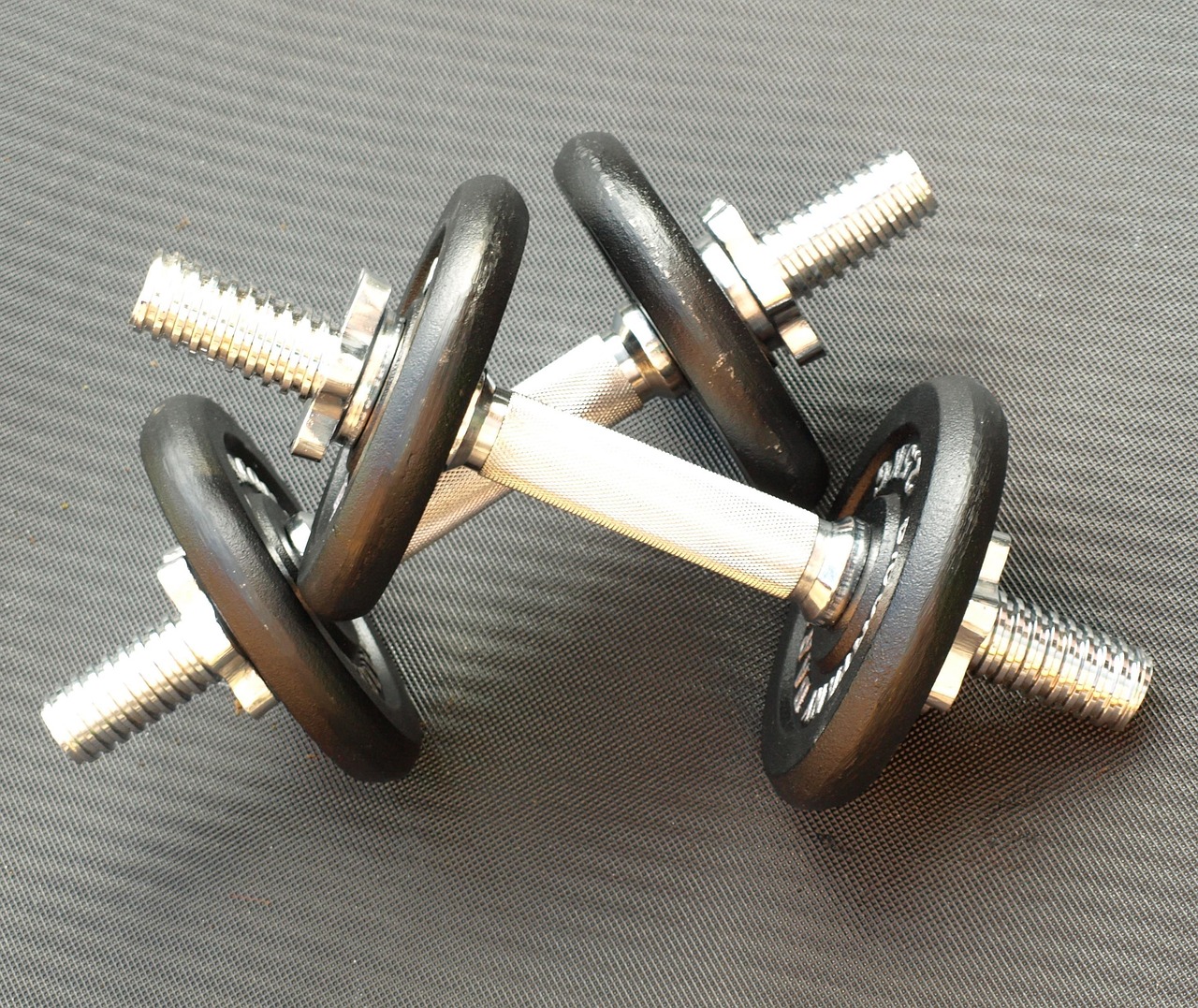
Strength training helps restore muscle support around affected areas and improves stability and posture. For those with chronic back pain, arthritis, or fibromyalgia, a personalized exercise plan can be more effective than relying solely on medication. Medication may reduce the sensation of pain but does not rebuild structural support that has been lost.
However, strength training must be carefully designed to avoid worsening symptoms. Poorly structured programs can cause harm through incorrect lifting weights or improper technique. Many people who attempt to exercise on their own often find themselves in more pain than before.
The key difference between helpful and harmful training lies in a gradual, supervised progression. This means beginning with manageable loads and increasing resistance slowly based on the body’s response. It also involves paying attention to pain signals that indicate when to slow down or stop.
Chronic pain and strength training are not inherently opposed if the approach is thoughtful and safe. The goal is to work within one’s current capacity and gradually expand it rather than pushing through discomfort. Informed guidance and professional supervision are essential for effective treatment of chronic pain.
The conversation around exercise and chronic pain should focus on how to do it safely rather than whether to do it at all. When done properly, strength training can restore function and reduce dependence on medication. But improper execution can delay recovery or make symptoms worse.
The critical element is in the planning and execution of any strength program for chronic pain patients. Chronic pain affects millions of Americans and can interfere with their ability to work, according to a report from Yahoo Finance. People with chronic conditions may qualify for Social Security Disability Insurance if they can prove the pain limits their work capacity.
A diagnosis alone does not automatically qualify someone for benefits. The Social Security Administration requires evidence of a medical condition that can reasonably cause the reported pain. They also consider how persistent and intense the symptoms are and how they affect work-related activities.
The evaluation process includes a full review of medical records, treatment history, and personal statements. Because pain cannot always be measured through physical tests, subjective experiences are also taken into account. Individuals with chronic pain must document how their condition limits their ability to function at work.
This includes medical diagnoses, treatment records, and descriptions of functional limitations. They should also describe how pain affects daily life and work duties. Scientific research has shown that brain stimulation can help reduce chronic pain, Science News reported.
A study published in Brain Stimulation demonstrated how mapping brain activity could lead to relief from persistent pain. Unlike acute pain such as from a broken bone, chronic pain involves changes in the brain and spinal cord. This makes it particularly difficult to treat with traditional methods.
Neurosurgeon Michael Lim from Stanford University commented on the potential of this new approach. Deep brain stimulation has been used for conditions like Parkinson’s and depression, and now researchers are exploring its use in chronic pain. Results so far have been mixed, with some patients responding well and others not at all.
This variability may be due to how each person’s brain processes pain signals. The study involved three individuals with severe facial pain who underwent temporary brain electrode insertion. Over several days, researchers tested different stimulation points to map the pain response.
One woman experienced significant relief and later received permanent implants. Another participant who had initial relief is planning to get a permanent device soon. Even the individual who did not benefit from stimulation contributed valuable insights.
The method offers a promising path for treating complex chronic pain conditions.
IMAGE: ariesa66 / Pixabay
This article passed automated originality and source-verification checks before publishing.