
Teenagers as young as thirteen are being referred to a specialist clinic for a serious condition linked to ketamine use, according to new findings. The UK’s first specialized clinic for this issue opened in May 2025 at Alder Hey Children’s NHS Foundation Trust. The condition, known as ketamine-induced uropathy or KIU, causes damage to the bladder and urinary system. Some children had been using ketamine for one to two years before being referred to the clinic.
Ketamine is a dissociative anesthetic. Doctors and veterinarians use it to produce anesthesia and relieve pain. In medical settings, it can also be used in carefully controlled doses for some mental health treatments, including treatment-resistant depression.
It works mainly by affecting NMDA receptors in the brain. Depending on the dose, it can cause relaxation, pain relief, sedation, altered perception and a feeling of being detached from the body or surroundings. Outside medical use, ketamine is sometimes misused as a recreational drug.
The damage can include ulceration and scarring of the bladder wall, which may not be reversible. Doctors say this problem is preventable, but many children are already suffering from chronic pain and incontinence. In severe cases, patients can require major bladder surgery or kidney dialysis.
Some patients describe their symptoms as feeling like peeing over broken glass, the BBC reported. Others have described passing pieces of damaged bladder lining during urination. The clinic at Alder Hey takes a non-judgmental approach to help young people talk about their lives and drug use. Medical staff at the clinic say they have seen over 100 referrals since opening last May.
Many children at the clinic had been taking ketamine for a year or more. Doctors said that means some may have begun using the drug at age 12 or younger. The analysis of the first 60 patients found their average age was 14 and their ages ranged from 13 to 15.
Some say the drug helps them feel calm and quiet their minds, especially when dealing with emotional trauma. Nearly three-quarters of the first 60 patients had experienced emotional trauma during childhood. Sixteen had autism or ADHD or both. One in five had experience of the care system.
Ketamine is commonly encountered illicitly as a powder and may be snorted or injected. It acts as an anaesthetic, reducing sensations in the body and making people feel detached or relaxed. However, prolonged misuse can lead to serious health problems including damage to the bladder, ureters and kidneys. In the most serious cases it can contribute to kidney failure.
Symptoms of the condition include frequent and urgent need to urinate, often with blood in the urine. Some children also report bedwetting or difficulty controlling their bladder. Doctors say ketamine and substances produced when the body breaks it down can remain in the urinary tract and damage the bladder lining and muscle tissue.
The clinic has found that most of the first 60 patients were girls. Forty-three of the 60 were female. About two-thirds of the patients also lived in some of the most deprived areas.
Doctors say ketamine use is often connected with wider problems in a young person’s life. Some children find it hard to stop using the drug because their friends are still doing it. Staff have also reported ketamine use among some children at school.
The clinic receives about one referral every week from nearby areas including Cheshire and Merseyside. The doctors saw one young patient with the condition in 2023 and nine in 2024 before cases rose sharply in 2025.
Ketamine is still less commonly reported in youth drug treatment than cannabis or alcohol. However, its use has risen sharply. Official figures show 1,465 children in drug or alcohol treatment in England reported ketamine problems in 2024-25. That was up from 512 in 2021-22. Among illicit drugs listed in the 2024-25 figures, only cannabis was reported by more children in treatment.
The damage from ketamine may improve if use stops early enough. However, doctors warn that some bladder damage may be permanent. Severe cases may require reconstruction or removal of the bladder.
Some children who would qualify for inpatient treatment if they were adults are unable to get equivalent help because specialist inpatient detox facilities for children under 16 are not available in the UK. Professor Rachel Isba said this treatment gap can be particularly difficult for young people who are ready to stop using the drug.
Experts stress that understanding the background of each young person is key to offering proper support. The condition affects not just physical health but also emotional well-being and social life.
Medical professionals are working to better identify the causes behind ketamine use among children. They hope that by studying patterns and experiences, they can prevent more young people from suffering similar harm.
Concern over ketamine use is growing nationally. Government figures show the number of children entering treatment and reporting ketamine problems has risen sharply in recent years. Border Force also seized a record 1,298 kilograms of ketamine during the first three months of 2026.
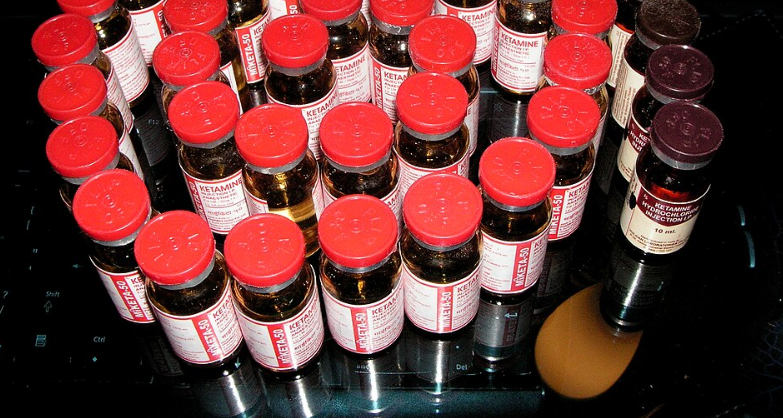
IMAGE: Ketamine Vials Source Own work Author Psychonaught CC1