
Investors are often faced with the challenge of choosing between two very different companies when evaluating industrial stocks. One company focuses on building the heavy machinery that moves earth and materials, while the other specializes in precision glass and fiber for data transmission. This comparison looks at Caterpillar and Corning to help investors understand how each company performs financially and in the current market.
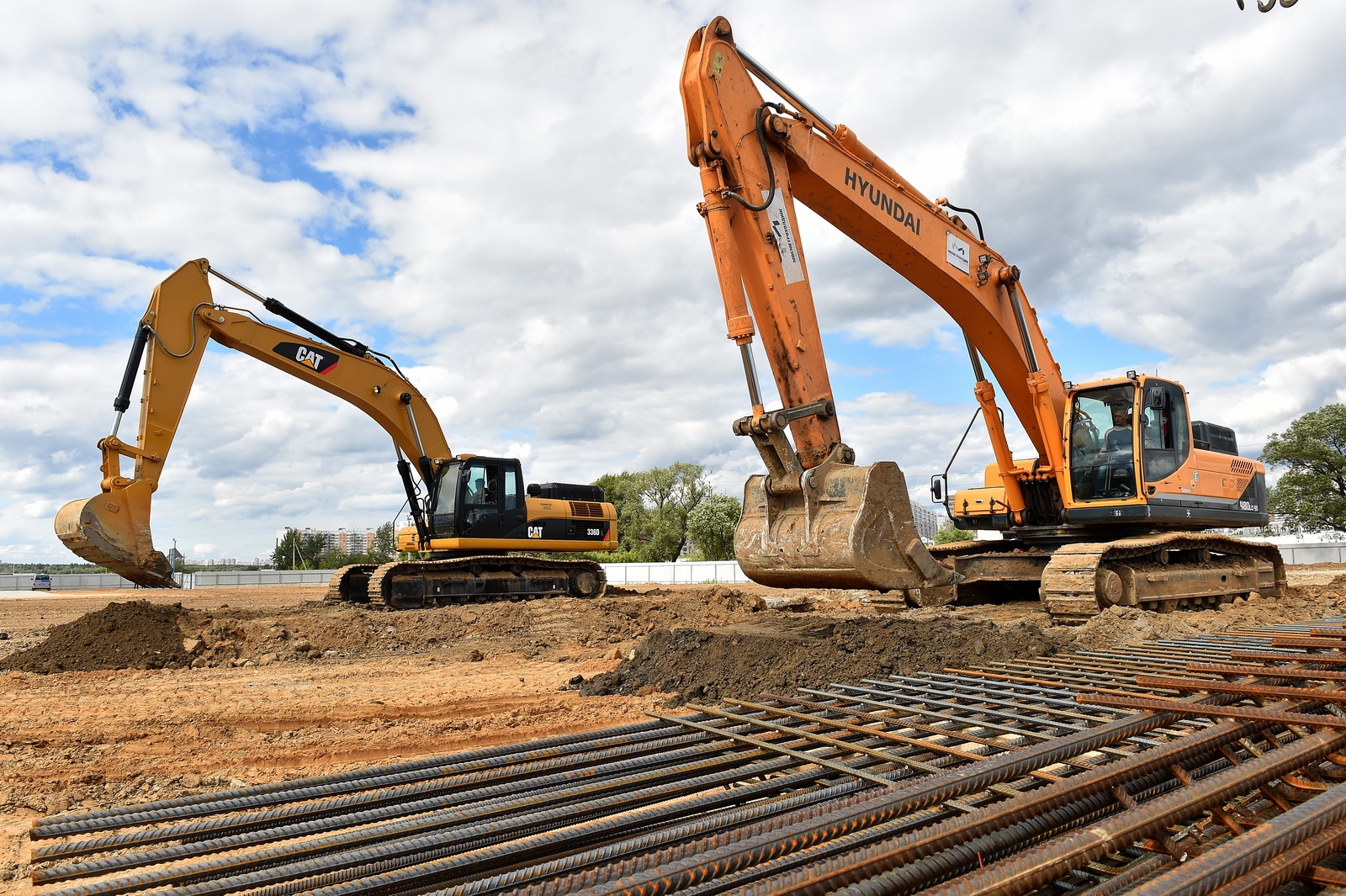
Caterpillar operates as a global leader in heavy machinery, serving industries like construction, mining, and energy through its network of dealers, according to Yahoo Finance. The company has made strategic moves to stay ahead in technology, including acquisitions of Skycatch and Monarch Tractor in recent years. These efforts aim to boost capabilities in autonomous operations and electric tractor technology.
Caterpillar reported a revenue increase of 4.3% compared to the previous year. Its revenue reached $67.6 billion in 2025, the highest annual total in the company’s history.
However, the company’s debt levels are high, with total debt twice the value of shareholder equity. This financial structure raises concerns about long-term stability despite its strong market presence.
Corning, on the other hand, focuses on materials science and engineering with a customer base across optical, mobile electronics, and automotive industries. A significant portion of its sales comes from just a few major clients, which presents risk to the company’s financial health. The company works closely with technology and automotive firms to develop specialized glass and ceramic parts.
Corning saw a 19% increase in revenue over the previous year, reaching approximately $15.6 billion. Its profitability has improved significantly, with net income rising 215% over the previous year.
Both companies are well-established players in their respective fields, but they offer different investment opportunities. Investors must weigh the stability of Caterpillar’s market leadership against Corning’s innovation in materials science. Each company’s financial profile and market approach make them attractive to different types of investors.
Caterpillar’s global reach and recent investments in automation may appeal to those seeking consistent industrial growth. Meanwhile, Corning’s focus on high-tech materials could attract investors looking for innovation and improved profit margins.
The decision between these two stocks ultimately depends on an investor’s risk tolerance and investment goals.
IMAGE: stroi.mos.ru / Wikimedia Commons (CC BY 4.0)