
The Southeastern Conference has made a firm decision to block former professional athletes from returning to play college football, effectively ending any chance for players who have already entered the NFL, NBA, or WNBA. This new rule was passed unanimously by SEC presidents, chancellors, and athletics directors during a meeting in Birmingham on Tuesday. The policy specifically states that no school in the conference can have an athlete on its roster who has declared for the NFL, NBA, or WNBA Draft without properly withdrawing, signed a contract, or been listed on a professional team.
The rule also covers other professional leagues including the NBA G League and WNBA affiliate teams, making it broad in scope, according to therebelwalk.com. Commissioner Greg Sankey has been given full authority to enforce this policy, with penalties that could include suspending a school from competition. The decision comes after several days of legal rulings that gave some athletes a second chance to play college football even though they had already signed with professional teams.
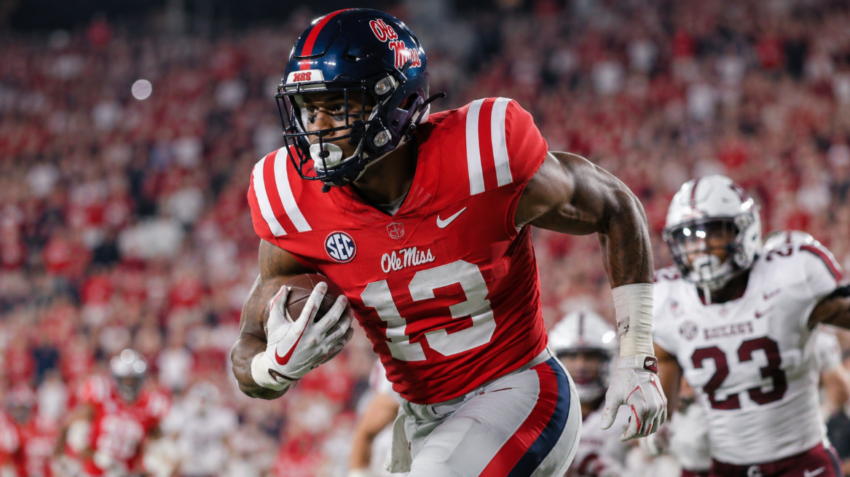
One of the most prominent cases involved Dae’Quan Wright from Ole Miss, who went undrafted and joined the Cleveland Browns before being waived. Wright had entered the NCAA Transfer Portal and was reportedly close to joining LSU, but the new SEC rule now prevents that from happening. Another player, Zxavian Harris, also played for Ole Miss before signing with the New Orleans Saints and later trying to return to college football.
These situations brought attention to how the NCAA’s eligibility rules were being challenged in court. The issue arose after the NCAA introduced a new rule allowing most players five seasons of competition within a five-year window. This change left some athletes who had already used four seasons in college in an unusual legal position.
A Louisiana court ruling gave these players a temporary reprieve and allowed them access to the transfer portal. The Big Ten Conference made a similar move earlier on Tuesday, banning former NFL players from returning to play in college football. Other major conferences like the ACC and Big 12 are expected to follow suit soon, according to a report from ESPN.
The move was made just days before the start of the college football season, which begins Saturday, texarkanagazette.com reported. Coaches and athletic directors across the country have expressed concern over how these court decisions are affecting college sports. LSU coach Lane Kiffin had previously indicated he was planning to recruit players cleared by the courts, but now that is no longer possible under the new SEC policy.
The NCAA is currently dealing with legal challenges in multiple states, which have led to confusion and uncertainty in college athletics. Some players who were previously deemed ineligible are now able to return to college teams thanks to court orders. The SEC and Big Ten are trying to maintain control over the rules by preventing former pros from returning to college rosters.
Athletic leaders say this change is necessary to protect current college athletes and ensure fair competition. The NCAA is also using the situation as a reason to push for the Protect College Sports Act, which would offer legal protection from lawsuits. However, that bill is not expected to be voted on anytime soon.
The new rules are part of a larger shift in how college sports are being governed during a time of legal and policy upheaval. Many believe the situation reflects a fundamental conflict between state courts and the NCAA’s authority over player eligibility. The SEC’s approach is clear: former professional athletes are no longer allowed to return to college competition under any circumstances.
This decision may be challenged in court, but it is now the official policy of the conference. The impact on players and teams remains uncertain as the college football season gets underway.
IMAGE: Dae’Quan Wright Playing for Ole Miss DNR Art Dept
This article passed automated originality and source-verification checks before publishing.