
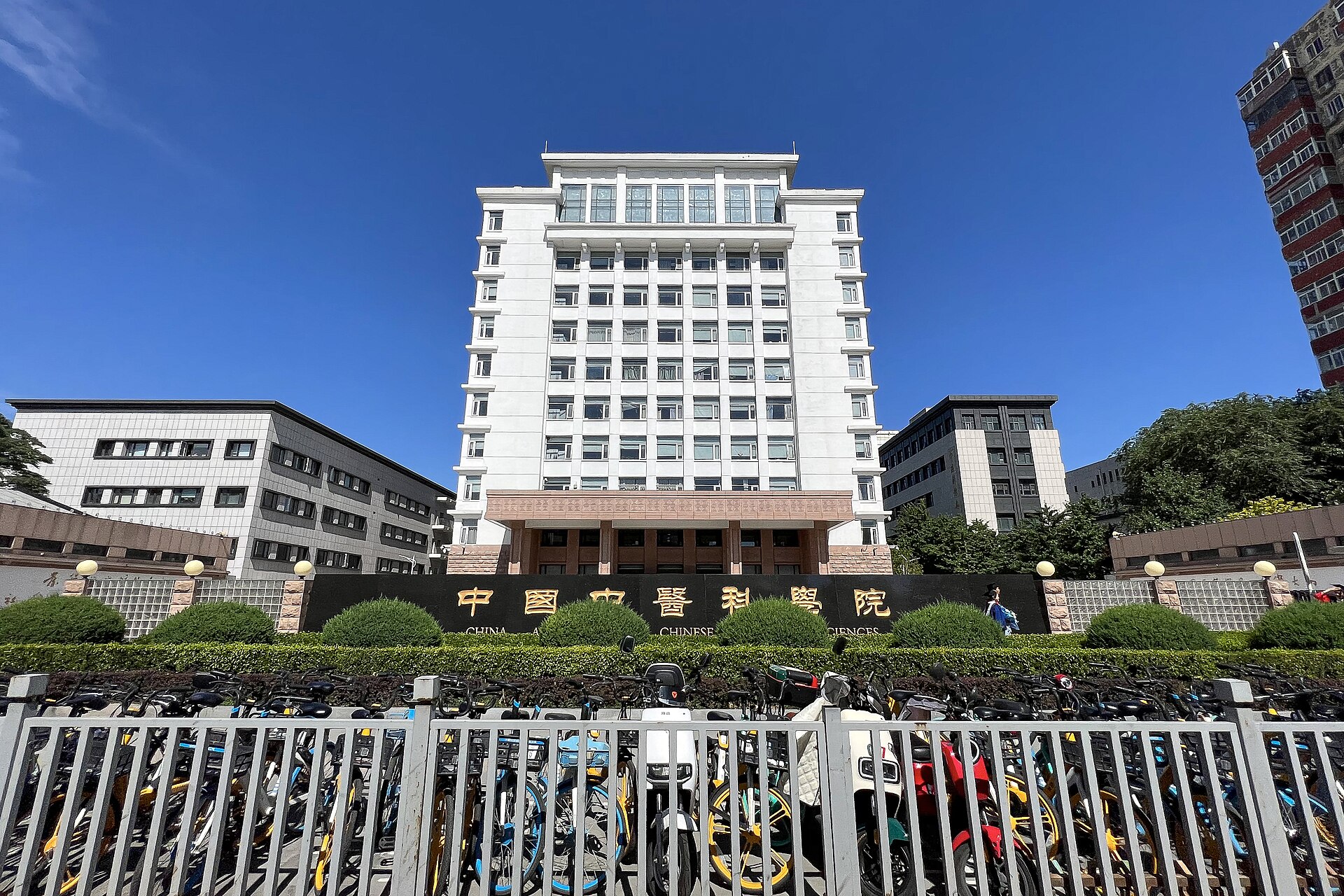
Researchers at Tsinghua University and the Chinese Academy of Sciences have made a breakthrough in understanding how some materials conduct electricity without resistance at relatively high temperatures. Their study focused on a material called hole-doped Ca₂CuO₂Cl₂, also known as CCOC, which is a type of cuprate superconductor. This particular material has a simple crystal structure and a clean surface, making it ideal for high-resolution atomic-scale measurements.
The team introduced holes into the material by partially replacing calcium with sodium, allowing them to study how these changes affect electronic behavior, according to Phys.org. They mapped the spatial distribution of electronic states across different energy levels in samples with varying amounts of doping. Through their experiments, they were able to directly observe a quantum state known as the Zhang-Rice singlet for the first time.
This state forms when a hole is introduced into a cuprate and plays a role in how superconductivity might emerge. Most previous studies had looked at either undoped parent compounds or fully superconducting samples, leaving the transition stage unexplored. The new research revealed that as more holes were added, individual Zhang-Rice singlets didn’t just accumulate but also merged together.
These merged states formed larger structures called plaquettes, which gradually connected and evolved into the superconducting state. The findings offer new insight into how superconductivity begins in high-temperature materials, a process that has long puzzled scientists. This discovery could lead to better theoretical models and help design new materials with improved superconducting properties.
The team plans to continue studying how these electronic molecules form and what conditions lead to the emergence of superconducting pairing. They hope to understand the microscopic origin of high-temperature superconductivity and explore whether their framework can explain a broad range of cuprate behaviors. The work represents a significant step forward in the study of unconventional superconductors and their potential applications.
IMAGE: N509FZ / Wikimedia Commons (CC BY-SA 4.0)