
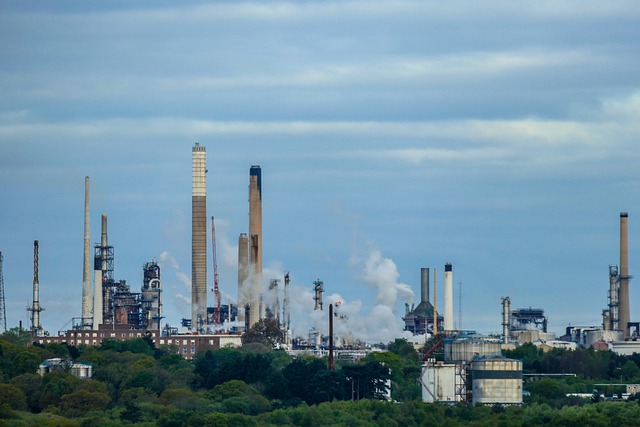
Saudi Aramco’s Jazan refinery has faced delays in restarting operations following attacks by the Houthi group. These disruptions come at a time when US Strategic Petroleum Reserve stocks have dropped to their lowest level since 1983. The combination of these two developments has heightened concerns about global oil supply stability.
Energy markets are reacting to the uncertainty caused by ongoing regional tensions and inventory levels. The Houthis have been involved in attacks on infrastructure in Saudi Arabia, affecting operations at key facilities, according to NewsBytes. These disruptions are adding to broader worries about how regional conflicts impact global energy markets.
The US Strategic Petroleum Reserve is a key buffer for oil supply during emergencies, but its current low levels reduce that protection. This situation has led analysts to closely monitor developments in the Middle East and their potential impact on oil prices. Market participants are watching for signs of further disruptions or supply shortages that could push prices higher.
The Jazan refinery is one of Saudi Arabia’s oil processing facilities, and its downtime affects global refining capacity. The delays in restarting the facility have raised questions about how long it will take to restore full production. Oil traders are adjusting their expectations based on the current state of supply chain disruptions.
The situation reflects growing concerns over energy security in a region that is central to global oil production. Investors are closely following the progress of repairs and safety measures at the affected facilities. The impact of these delays may extend beyond immediate supply concerns to broader economic implications.
Global markets are reacting cautiously, as any disruption in oil supply can quickly affect energy prices and consumer costs. The United States’ strategic reserves are seen as a tool for managing short-term supply shocks. With the current inventory levels at historic lows, the US may have less room to respond to sudden disruptions.
The combination of regional instability and declining reserves has created a challenging environment for energy planning. Industry experts are assessing how long it might take to bring the Jazan refinery back online after the attacks. The outcome of these efforts could influence global oil prices for months to come.
Market analysts are considering how the situation may affect long-term energy strategies and investments. The current situation underscores the vulnerability of global oil systems to regional conflicts. Energy companies are also evaluating their own supply chain risks in light of recent events.
The interplay between geopolitical tensions and energy markets continues to shape global economic conditions.
IMAGE: Photo: michaelmep / Pixabay, Pixabay License