
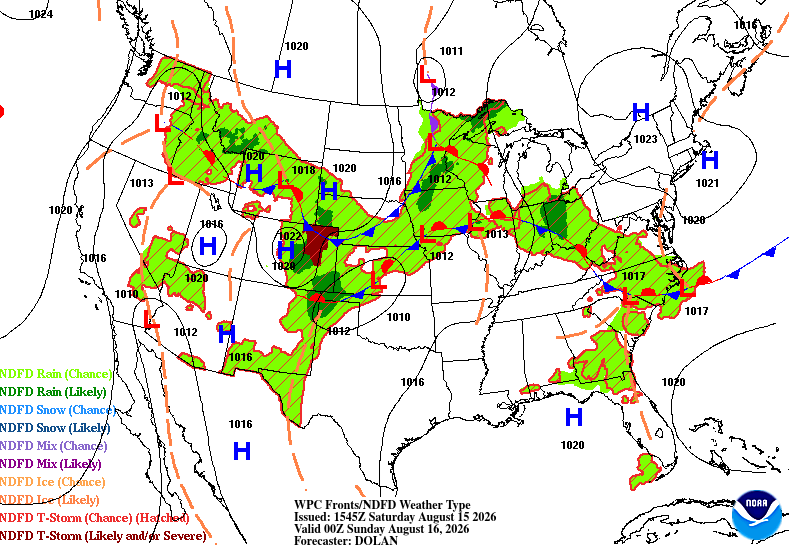
The Midwest is preparing for more intense flooding after a series of storms brought historic rainfall to parts of Indiana and Ohio. The National Weather Service warned that widespread storms were expected through at least Sunday, adding more rain to already saturated areas. At least three people have died and over 150,000 residents lost power as of Saturday afternoon. Some areas in Indiana received more than 11 inches of rain over the past week, causing rivers to rise dramatically.
The White River in Anderson reached a level above 24 feet, breaking records from over a century ago, according to CBS News. Indiana Governor Mike Braun requested a presidential emergency declaration through FEMA to get federal resources for the response, according to a report from NPR. The governor said he would do everything in his power to protect lives and property during this severe weather event.
Along with heavy rain, the region also experienced tornadoes and a derecho over recent days. Five feet of water flooded homes and community buildings, including a youth center and kitchen area. A local resident described the smell of floodwater as overwhelming but said people were helping each other. She noted that many residents do not have flood insurance and are worried about how to rebuild.
The lack of insurance coverage leaves many homeowners in a difficult financial situation after the disaster. FEMA manages most flood insurance through federal maps that often do not reflect current rainfall risks. An investigation by NPR found that these maps have not updated to account for more intense storms caused by climate change. A climate modeling company discovered that twice as many Americans live in flood-prone areas than FEMA’s maps show.
This means many people are unaware of their risk and do not have coverage when disasters strike. Similar situations occurred during Hurricane Helene in 2024, where most damaged homes were outside FEMA’s flood zones.
With more storms forecast, homeowners in the Midwest may face the same lack of protection. Rainfall measurements showed almost 10 inches in Iowa and almost 8 inches in Ohio over recent days.
As water flows into rivers and streams, downstream areas are at increasing risk of flooding. In Indianapolis, the city’s fire department conducted at least 38 rescues on Saturday morning, Yahoo News reported. National Guard vehicles were assisting with high water rescues in the Ravenswood area.
The mayor of Indianapolis urged residents near rivers to evacuate, and emergency managers held a briefing. In Delaware County, the Yorktown Public Library was severely impacted by floodwater. The library said it felt devastating to see its building in that state and thanked those who offered help.
Authorities confirmed the body of an 18-year-old college student who went missing in the Mississinewa River. The Delaware County Sheriff’s Office said they were deeply sorry for the loss and extended condolences to his family.
In Muncie, floodwater was deep enough that rescuers used boats to reach stranded residents. Some businesses were also affected, such as a shop where vehicles sat in water. Timothy Hicks described how he quickly grabbed his belongings and fled his home during the flood.
He said the experience left him heartbroken and struggling to process what happened. The National Weather Service reported that more than 11 inches of rain fell in some areas over a two-day period. About 400 people evacuated parts of northern Indianapolis on their own, and more than 350 were evacuated in Delaware County.
A senior mobile home community was also evacuated in Tipton County. Storms have caused damage from the Chicago area to western Pennsylvania.
The situation in Indiana continues to evolve as emergency teams work to support residents and assess damage.