
Ukraine’s former defense minister has refused all offers to take on new roles within the government. He insists only on returning to his previous position as head of the Ministry of Defense. The decision comes after widespread public protests demanding his reinstatement. Demonstrators across the country have gathered in support of Fedorov, who was removed from office earlier in the week.
The president had offered him a deputy prime minister role focused on military innovation. However, Fedorov said he would only accept a return to his former job. He believes that only as defense minister can he continue the reforms he started. These include modernizing the army and improving efficiency in warfare. His stance has added pressure on the president to make a decision.
Fedorov’s removal followed a conflict with the commander-in-chief of the armed forces, Oleksandr Syrskyi. The two men had different ideas about how to lead the military. Syrskyi was seen as more traditional and Soviet-trained, while Fedorov pushed for new methods using technology and data. The president dismissed both men in a recent reshuffle.
Despite replacing Syrskyi with Mykhailo Drapatyi, public anger has not faded. Protesters continue to demand that Fedorov be reinstated. Some say the change in leadership is not enough. They argue that the reforms Fedorov led are essential for Ukraine’s success in the war.
Fedorov said his team had a plan to end the war. It focused on protecting skies, stabilizing the front line, and striking Russia’s economy. He claimed that progress was made over six months. He warned that losing this window of opportunity could hurt Ukraine’s chances for peace.
The situation remains unresolved. Discussions between Fedorov and the president continue. However, it is unclear if a compromise will be reached. Some believe Fedorov’s position shows his influence in Ukrainian politics. Others say public pressure should not dictate military appointments. The issue has drawn attention to how democracy functions during wartime.
Fedorov was known for pushing changes in military procurement and fighting corruption. His work helped Ukraine gain an edge in the conflict. He also introduced drone operations and new systems for long-range strikes. These efforts were part of a broader effort to make the army more effective.
The protests have spread to several cities. In Kyiv, around five hundred people gathered. Smaller groups appeared in other towns like Dnipro and Mykolaiv. Each rally expressed support for Fedorov and criticism of recent leadership changes. Some participants said they would not stop until he returned to office.
The president has met with Fedorov several times since his dismissal. He has offered various roles, including deputy prime minister. But Fedorov remains firm in his demand. He says no other position gives him the power needed to carry out his vision.
Fedorov’s supporters believe he is responsible for much of Ukraine’s recent progress. They credit him with helping shift the war’s momentum. His removal has caused frustration among those who see him as key to continued success. Some say that even though Syrskyi was replaced, the old guard still holds too much influence.
The conflict between Fedorov and Syrskyi was described by some as a clash of generations. One Western official said their views were like being on different planets. Fedorov wanted to use modern tools and data in warfare. Syrskyi preferred traditional methods.
The new commander-in-chief, Drapatyi, has been praised for his battlefield experience. He is seen as more open to change than Syrskyi. Still, many Ukrainians remain loyal to Fedorov. They believe he has the best plan to win the war. The president now faces a difficult choice between public opinion and political strategy.
Fedorov’s refusal to take another job shows his determination. He does not want to be seen as giving up or accepting second place. His actions may shape how Ukraine handles leadership during wartime. Whether he will return to office remains uncertain. But the protests continue, showing strong public support for his position.
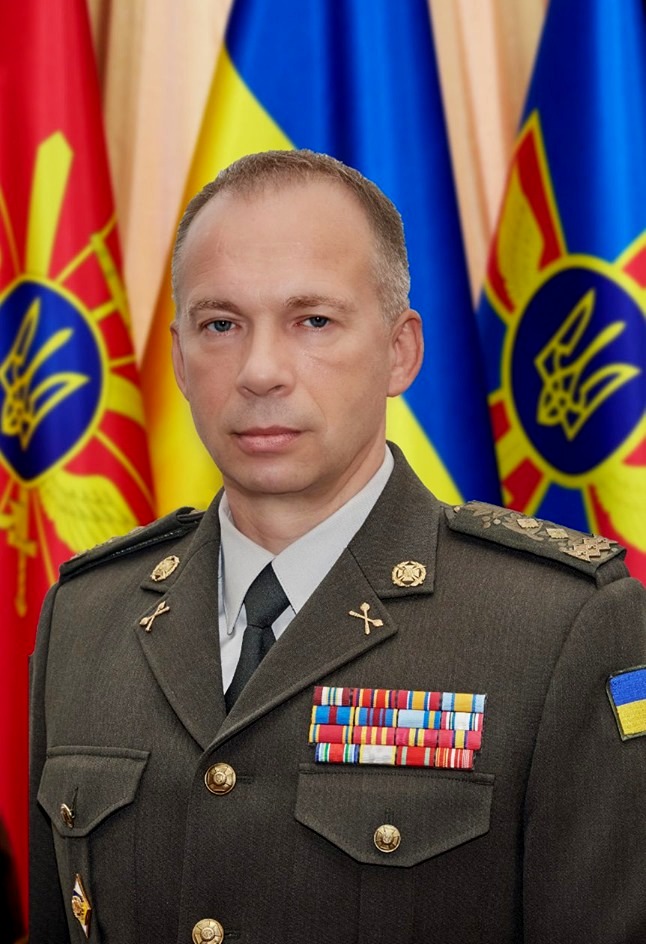
IMAGE: Oleksandr Syrskyi, commander of Ukrainian Army, 2019 Міністерство оборони України / Wikimedia Commons (CC BY 4.0)
This article passed automated originality and source-verification checks before publishing.