
The United Kingdom is experiencing a notable shift in its economic outlook. International investment has risen to a level previously only seen by the United States, marking the highest ranking for the UK in nearly three decades. This trend coincides with a change in market expectations regarding Bank of England interest rate cuts, now projecting at least three cuts this year compared to just two previously. The 30-year gilt yield has dropped significantly from its January peak, and the pound’s trade-weighted index has recovered nearly all of its earlier losses.
Market sentiment has also shifted concerning Britain’s position in a potential global trade war. Once viewed as vulnerable due to its post-Brexit status, the UK is now seen as a possible bridge between the US and EU. British Prime Minister Kier Starmer’s diplomatic efforts appear to be gaining traction with Washington, while reports suggest Brussels may consider offering tariff-free access to EU markets for Britain.
The economic landscape has been influenced by recent developments in the housing sector. Homebuilder Persimmon flagged concerns over rising costs, particularly due to increased employer national insurance contributions. This led to a sharp drop in its share price and highlighted broader cost pressures affecting the construction industry.
Financial stability remains a priority for regulators. The UK’s Financial Conduct Authority head warned of an ‘era of predictable volatility’ in markets, emphasizing the need for adaptation as global interconnections increase risk exposure across sectors including equities, fixed income, foreign exchange, commodities, and crypto assets.
In political developments, Andy Burnham assumed the role of prime minister following a reshuffle that removed several key figures from Keir Starmer’s administration. His first major policy announcement included an £850 million tax cut on electricity bills aimed at easing cost of living pressures. The funding for this measure was said to come from scrapping the digital ID scheme, though critics have questioned the financial viability of this approach.
Burnham’s government also announced plans to reduce business rates for the hospitality sector by 20% and implement a £2 cap on bus fares. These measures reflect an attempt to stimulate economic activity and support households amid ongoing inflationary pressures. Additionally, Burnham pledged to end rough sleeping in England within three years, allocating £340 million over that period.
The new cabinet includes a record number of women, with 12 out of 23 members being female. The composition reflects regional diversity, particularly from the north of England, and signals a focus on devolution and growth across all parts of the UK. International relations are also a priority, with Burnham reaffirming support for Ukraine, NATO, and the UK’s nuclear deterrent.
These developments indicate a significant realignment in UK economic policy and political direction, as Britain navigates challenges from global trade dynamics, domestic cost pressures, and evolving leadership priorities.
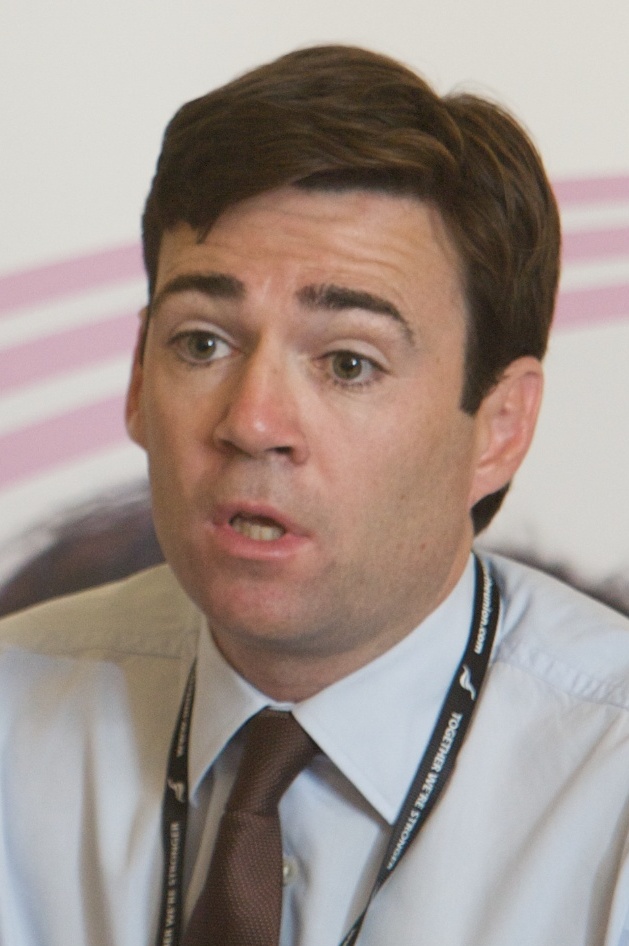
IMAGE: Andrew Burnham, British politician and Secretary of State for Health, speaking during the Health Hotel session “One in three: Tackling cancer is an election issue” at the Hilton Metropole, Brighton, during the Labour Party Conference 2009.. Photo: Credit: http://www.acumenimages.com. Uploaded to Flickr by The Health Hotel. / Wikimedia, taken 2009-09-29, CC BY-SA 2.0
This article passed automated originality and source-verification checks before publishing.