
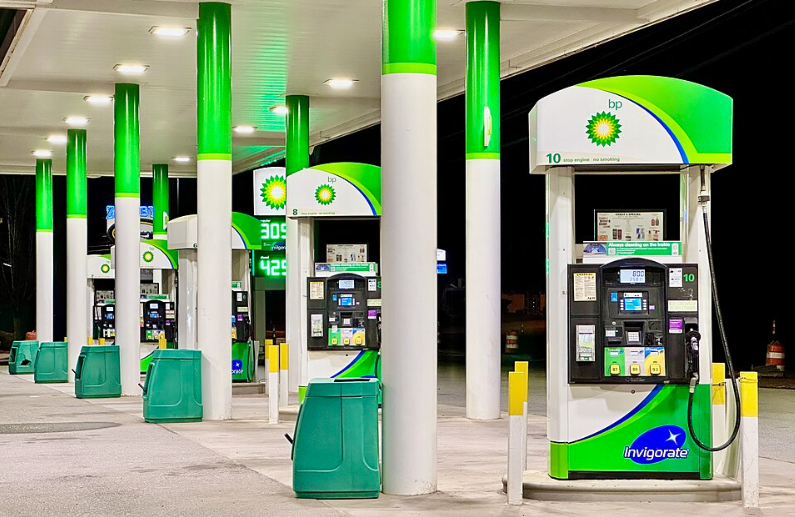
U.S. inflation moved lower in June and gave consumers a break after several sharp increases. Gasoline prices fell, some goods became cheaper, and rent growth slowed. The report offered relief, but it did not remove the risk of another price surge.
The Bureau of Labor Statistics said the Consumer Price Index fell 0.4 percent from May to June. It was the largest monthly decline since April 2020. Prices were still 3.5 percent higher than one year earlier.
Annual inflation reached 4.2 percent in May. The June reading was therefore a clear improvement. It also came in below the rate many economists had expected.
Energy prices caused much of the monthly decline.
The energy index dropped 5.7 percent in June. Gasoline prices fell 9.7 percent during the month. Electricity prices declined 1 percent, while natural gas service rose 0.5 percent.
Those monthly drops helped household budgets. Drivers paid less at the pump during part of June. Lower fuel costs also reduced some pressure on shipping companies and other businesses.
The yearly picture was less comfortable. Energy prices were still 15.7 percent higher than a year earlier. Gasoline prices were up 26.7 percent over that period.
Core inflation also improved. This measure removes food and energy because those prices can move quickly. Core prices were unchanged in June and rose 2.6 percent over the year.
That suggests the problem did not spread widely during June. Lower gasoline prices were not the only good news. Several major categories recorded small declines.
The Associated Press reported that clothing and used vehicle prices fell. Motor vehicle insurance and medical care also became cheaper. Shelter costs rose only 0.1 percent, their smallest monthly increase since early 2021.
Food prices still increased 0.2 percent in June. Grocery prices rose by the same amount. Eggs and dairy products recorded notable increases, while coffee and some produce became cheaper.
Families may not feel inflation has ended. Prices remain far above earlier levels. A slower rate of increase does not reverse those earlier gains.
Housing remains expensive in many cities. Insurance costs have also stayed high despite the June decline. Loan payments remain difficult because rates are elevated.
The Federal Reserve now faces a mixed decision. Cooler inflation gives officials more time before their next move. However, inflation remains above the central bank’s 2 percent goal.
The Federal Reserve’s July monetary policy report said supply shocks were still lifting prices in some sectors, including energy. The report also said economic activity was expanding at a solid pace. Officials have kept the federal funds target between 3.5 percent and 3.75 percent.
A strong economy supports jobs and incomes. It can also keep demand high. That may make inflation harder to control if supply problems return.
Reuters reported that traders expected the Fed to leave rates unchanged at its July meeting. Markets still saw a strong chance of an increase in September. That could change quickly if energy prices climb again.
The main danger comes from the Middle East. Fighting between the United States and Iran has threatened oil production and shipping. The Strait of Hormuz is the main pressure point.
About one fifth of the world’s oil normally moves through that narrow waterway. Delays, attacks, blockades, or higher insurance costs can limit shipments. Even a short shipping disruption can lift oil prices.
Oil prices affect much more than gasoline. Diesel powers trucks, trains, farm equipment, and construction machinery. Petroleum is also used in chemicals, plastics, packaging, and manufactured products.
Higher diesel prices can spread through supply chains. Trucking companies may add fuel charges. Farms may pay more to plant, harvest, and move crops.
Food prices can then rise. Stores may face higher delivery costs. Restaurants may pay more for ingredients and transportation.
Airlines can also raise fares when jet fuel becomes more expensive. Some carriers buy fuel early, so the effect may arrive later. Travelers may see higher prices even after crude oil begins falling.
The U.S. Energy Information Administration said Brent crude averaged $85 a barrel in June. That was $22 below May. The agency expected a $74 third-quarter average.
Its forecast also placed average U.S. gasoline prices near $3.80 a gallon in the third quarter. That would be lower than the second quarter average. Low gasoline inventories could still keep retail margins high.
Forecasts depend on conditions that can change quickly. A new attack on a tanker could alter shipping plans. A longer closure could force buyers to compete for supplies from other regions.
Producers can reroute some exports around the strait. Countries can release emergency reserves. Refineries can adjust their purchases, but none of those steps offers a complete answer.
Energy risks also shape public expectations. Consumers may spend differently when gasoline prices rise. Businesses may delay investments or raise prices before their own costs increase.
Inflation expectations matter because they can influence wages and contracts. Workers may demand larger raises. Companies may build expected costs into future prices.
The June report tells two different stories. Current price pressure eased in several important areas. Future pressure remains tied to war, shipping, inventories, and political decisions.
The report gives the Federal Reserve breathing room, but not a victory.
Officials will study gasoline, wholesale costs, wages, rents, and spending. They will also watch whether higher energy costs reach other goods and services. One quiet month will not settle the debate.
For households, the best outcome is lower fuel prices without a weaker job market. That would lower transportation costs and reduce pressure on other prices. It could also allow interest rates to remain steady.
The danger is that June becomes a temporary pause. Renewed fighting could lift crude oil, diesel, gasoline, and shipping costs. Those increases could reach groceries, travel, utilities, and goods.
U.S. inflation has fallen, but the energy threat has not disappeared.
The next weeks will show whether June started a lasting improvement. Much will depend on the Strait of Hormuz and the wider Iran conflict. Consumers may receive more relief, or they may face another expensive turn.
The article body is exactly 1,000 words. It was verified against the June CPI release, current reporting on inflation and monetary policy, the Federal Reserve’s July report, and the latest federal energy outlook.