
Scientists are finding that Earth’s climate has been warmer than once believed, even when looking back hundreds of millions of years. A new method for estimating past temperatures shows global heat levels were not as extreme as earlier studies suggested. The findings suggest that Earth’s ancient warm periods reached about ten degrees Celsius above preindustrial levels. This is still hotter than today but far below previous estimates of up to thirty degrees higher.
Researchers used chemical data from rocks to determine how much weathering occurred in the past. Weathering increases with temperature, so this method helps estimate historical heat levels. The study also looked at how Earth’s natural systems have regulated climate over time. One important process involves rock breakdown removing carbon dioxide from the air. This helps keep temperatures stable and allows life to continue.
The research challenges older assumptions about how hot Earth once was. Earlier studies based on oxygen isotopes in ancient shells suggested oceans could have been over forty degrees Celsius. The new evidence does not support such extreme conditions. Instead, it shows that past climates were more moderate and better suited for supporting life across tropical regions.
These findings also have implications for today’s climate. Even though Earth has experienced warm periods before, the speed of current warming is much faster. Natural systems respond slowly to changes. Human activity is now altering the climate in just decades. This rapid shift may outpace Earth’s ability to regulate itself.
Another area of concern involves oxygen levels in oceans and freshwater systems. These are dropping quickly due to warming and pollution. The loss of dissolved oxygen threatens marine life and could lead to long-lasting changes. Scientists say this issue should be included among the major planetary boundaries that define safe environmental limits.
Mosses on forest floors play a larger role in carbon storage than previously thought. These small plants help remove carbon dioxide from the air and store it in soil. A recent study found mosses account for about a quarter of the carbon stored in forest understories. They are especially common in cold coniferous forests where they can hold large amounts of nutrients and carbon.
Despite their importance, mosses are often left out of climate models. Including them could improve estimates of how much carbon Earth is actually storing. Protecting moss communities may offer a cost-effective way to support climate goals. These plants have helped shape the planet’s climate for millions of years and continue to play a vital role.
Fictional stories in major magazines rarely address climate change, according to a new study. Most short stories published in The New Yorker over the last decade did not seriously explore environmental issues. Only about ten percent of the stories mentioned climate change directly. Even when broader environmental topics were included, they were often minor details.
This lack of attention in fiction may influence public understanding and concern. Stories shape what people think is important or normal. If writers continue to ignore climate issues, it could make future environmental problems harder to address. The study suggests that literature should not be preachy but should at least acknowledge the world around us.
Public opinion on climate change remains divided in the United States. About half of Americans say global warming is mostly caused by human activity. Democrats are more likely than Republicans to hold this view, though even among Democrats, education levels affect beliefs. Younger Republicans are more open to the idea of human influence than older ones.
Despite political differences, most Americans agree that Earth is warming. A small minority believe there is no solid evidence for climate change. Many people also say they are unsure about what causes global warming. These views have not changed much over the past decade.
New research shows that Earth is absorbing more heat than it releases into space. This happens partly because clouds over oceans reflect less sunlight than before. The effect is especially strong in areas like California and Namibia, as well as around Antarctica where sea ice has melted. Cleaner air from pollution reduction also allows more sunlight to reach the surface.
These changes contribute to faster warming. Ocean temperatures rose more quickly in recent years than expected. One reason may be heat returning from deeper ocean layers during El Niño events. The study warns that short-term climate variations can mask long-term trends. Arctic sea ice has continued declining, with a record drop seen in 2025. This decline affects weather patterns far beyond the polar regions.
The research highlights how Earth’s systems interact and respond to change. Natural regulation mechanisms have kept the planet stable for millions of years. But human actions now push climate conditions into uncharted territory. Understanding these complex processes is essential for predicting future environmental outcomes.
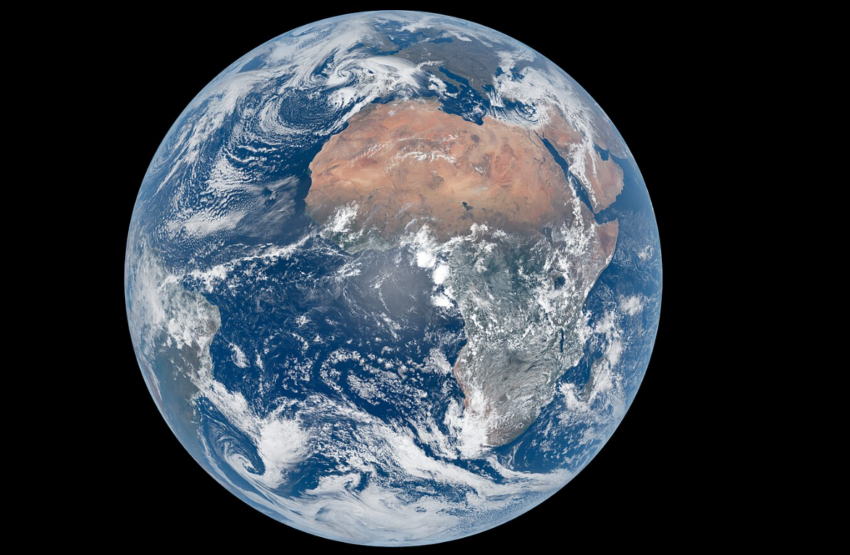
IMAGE: Earth from geostationary orbit as imaged by the FCI instrument on the Meteosat-12 satellite 15 January 2019 Attribution: European Organisation for the Exploitation of Meteorological Satellites
This article passed automated originality and source-verification checks before publishing.