
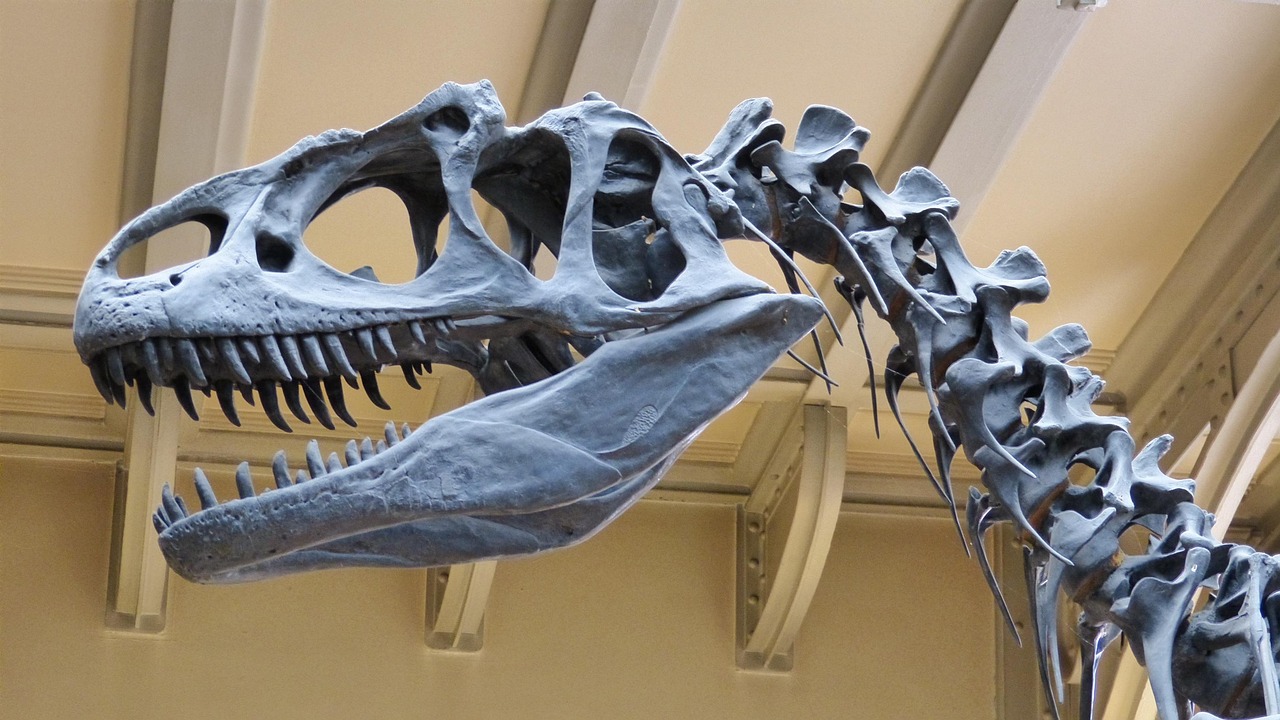
An asteroid about the size of Mount Everest crashed into Earth 66 million years ago near what is now the Yucatan Peninsula. This impact created a massive crater and led to the extinction of about three-quarters of all living species, including most dinosaurs.
Scientists have long debated how such a single event could have wiped out so much life across the globe. A new study suggests that the asteroid’s impact sent up a thick layer of dust that trapped heat from the planet’s surface. This dust cloud acted like a blanket, trapping thermal radiation and heating the atmosphere to extreme temperatures. The heat was so intense that it caused widespread wildfires and made survival impossible for most animals unable to take shelter.
The asteroid vaporized over a thousand cubic kilometers of rock and soil, which then rose into the atmosphere as a plume. As this vapor cooled and condensed, it formed tiny droplets of rock known as spherules that rained down on Earth. These spherules were heated up by air resistance as they fell, adding extra heat to the already intense conditions. The spherules were about half the size of a grain of sugar and carried enough energy to simulate an oven broiler.
But it was not just the spherules that caused the extinction, according to new findings. Scientists discovered a layer of extremely fine dust left behind after the impact that had not been considered before. This dust came from material that didn’t form spherules but instead created a global cloud that trapped heat. The dust layer was so effective at trapping radiation that it caused a level of thermal exposure 17 times higher than what is lethal to humans. This intense heat likely burned the skin of even large dinosaurs and caused fatal heat stroke in many creatures.
The dust did not just cause immediate death, but also led to long-term problems for surviving life forms. It could have blocked sunlight for years or decades, leading to a global winter and food shortages. The particles were so small—about five micrometers across—that they could have entered lungs and bloodstreams. These fine particles posed a serious health threat even to those who survived the initial heat.
The study’s lead author, Brandon Johnson, described the scene as resembling a fiery hell rather than the surface of Venus. He said that animals without shelter would have seen only a darkened sky with red glows from wildfires. Only creatures that could burrow, swim, or hide were likely to survive the event.
The research team also included Alexandria Johnson, who studied how dust affects heat radiation in clouds. She confirmed that the dust layer was so dense it trapped almost all heat from below, acting like a lid on a pot.
This finding helps explain why the extinction was so complete and global in scope. It also rules out other theories that volcanic activity caused the mass extinction. The new evidence shows that the asteroid impact alone was enough to cause the collapse of global ecosystems.
This research adds to our understanding of how planetary impacts can change life on Earth. The study was published in the Journal of Geophysical Research: Biogeosciences.
It provides a clearer picture of how one catastrophic event led to the end of an era.
IMAGE: 7854 / Pixabay