
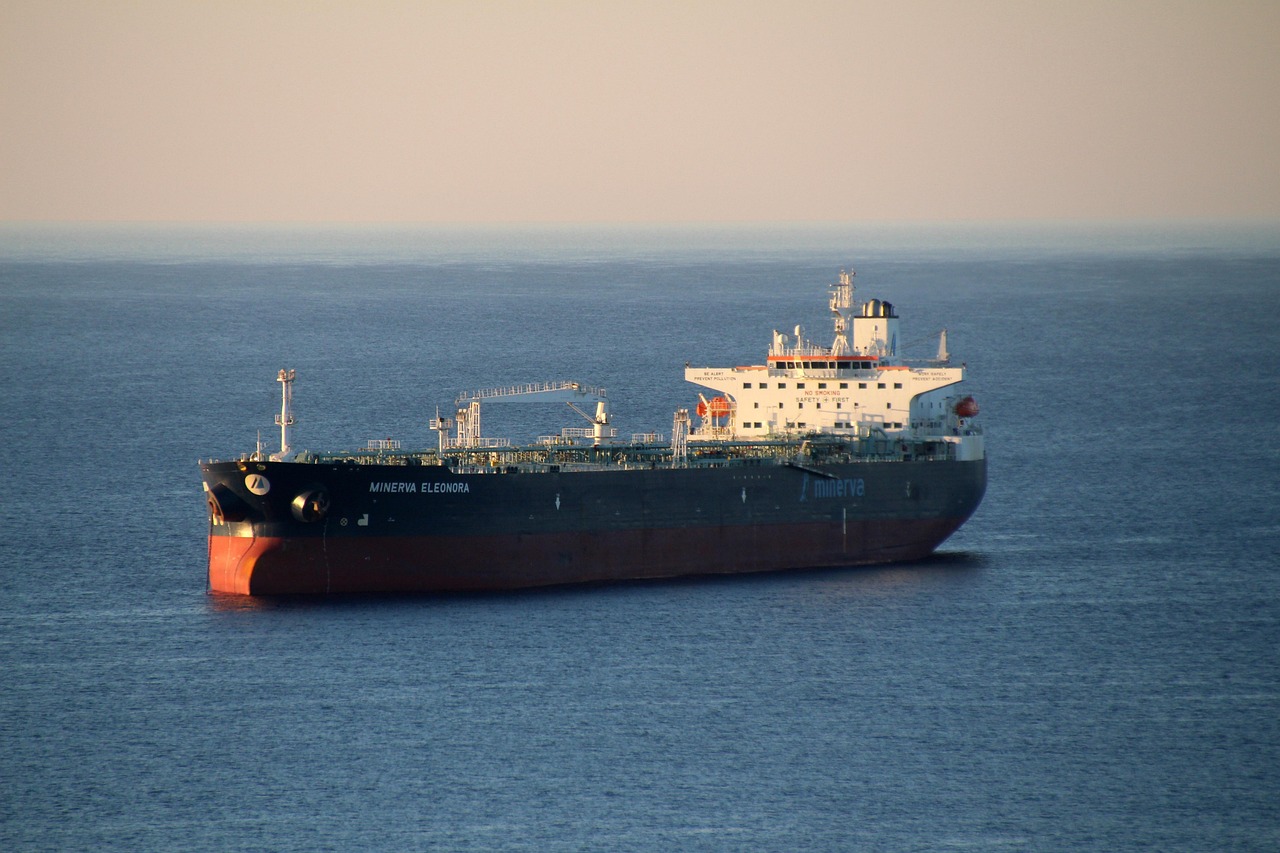
A Chinese-owned vessel has passed through the Bab al-Mandab Strait in the Red Sea, even though Houthi rebels have been targeting shipping in that area. The strait is a key passage between the Red Sea and the Gulf of Aden. The Houthis have previously attacked oil tankers and disrupted trade routes. This latest event shows that some ships are still able to move through the region despite the dangers.
The Houthi militia has been active in the Red Sea, attacking vessels near Saudi Arabia. These actions have raised concerns about how much longer shipping can continue safely through this area. Some experts believe the Houthis may be allowing certain ships to pass while stopping others. That could be a way to control trade or send a message without completely shutting down the route.
The situation has added to global worries about oil supplies. Prices have risen due to the conflict and threats to shipping lanes. Countries are looking for new ways to move oil and gas, especially away from the Strait of Hormuz. That waterway is a major transit point for oil from the Persian Gulf. Many nations are now investing in pipelines and alternative routes.
The Bab al-Mandab Strait is one such route. It connects the Red Sea with the Gulf of Aden. This passage has become more important as other paths face risks. Some ships are using it to avoid the Strait of Hormuz, which is under pressure from ongoing attacks. The Houthis have shown they can disrupt traffic in this area.
The Chinese tanker’s journey shows that some shipping companies are still willing to take chances. It also suggests that not all vessels are stopped by Houthi threats. This may be because the rebels are selective or because they want to avoid a full blockade that could hurt their own interests. The international community is watching closely to see how this situation develops.
The conflict in the region has grown more intense. Strikes and attacks have increased, especially along major shipping routes. Iran’s war with the United States and its allies has added to regional tensions. Oil prices have surged past $100 per barrel. That has made it even more important for countries to find secure ways to move energy resources.
Some nations are building new pipelines to reduce reliance on the Strait of Hormuz. These projects could help redirect oil exports. But they also face risks from attacks. The Saudi East-West pipeline was shut down by a Houthi drone strike in 2019. That shows how vulnerable these routes can be.
The UAE and other Gulf states are working to expand their ports and pipelines. Fujairah, for example, is getting new terminals to handle more oil. These changes are happening faster now because of the war. The pipeline projects are meant to protect against future disruptions. But they still need time to finish and fully operate.
The longer the conflict continues, the more countries will look for safe alternatives. Shipping companies must balance cost with safety when choosing routes. Some may choose to go around Africa or through different straits. Each option has its own risks and costs. The Bab al-Mandab Strait remains a key point in this shifting trade landscape.
The United States is also involved in the region. It has been striking targets in Iran and supporting allies. These actions have raised concerns about escalation. The U.S. military says it has spent billions on operations so far. That includes air strikes and support for regional partners.
Meanwhile, global energy markets are reacting to the situation. Oil prices continue to rise as uncertainty grows. Countries like China and India depend heavily on Middle Eastern oil. Any disruption affects their economies. They are trying to secure supplies through various means. Some are increasing stockpiles or changing suppliers.
The Chinese tanker’s passage is a small sign of how trade continues despite danger. It also highlights the importance of securing energy routes. The world is watching closely to see if more ships will follow this path. Or if the Houthis will tighten their control over shipping in the Red Sea. Either way, the conflict has changed how countries think about energy security.
The war in Iran and its effects on shipping are still developing. New developments could change trade patterns for years to come. For now, some tankers continue to pass through contested waters. That shows both the need for commerce and the risks involved. The international community is trying to manage these challenges while keeping energy flowing.
IMAGE: ship, freighter, tanker, oil, oil tanker, ocean freighters, diesel, fuel, tanker, oil tanker, oil tanker, oil tanker, oil tanker, oil tanker Freiheitsjunkie / Pixabay
This article passed automated originality and source-verification checks before publishing.