
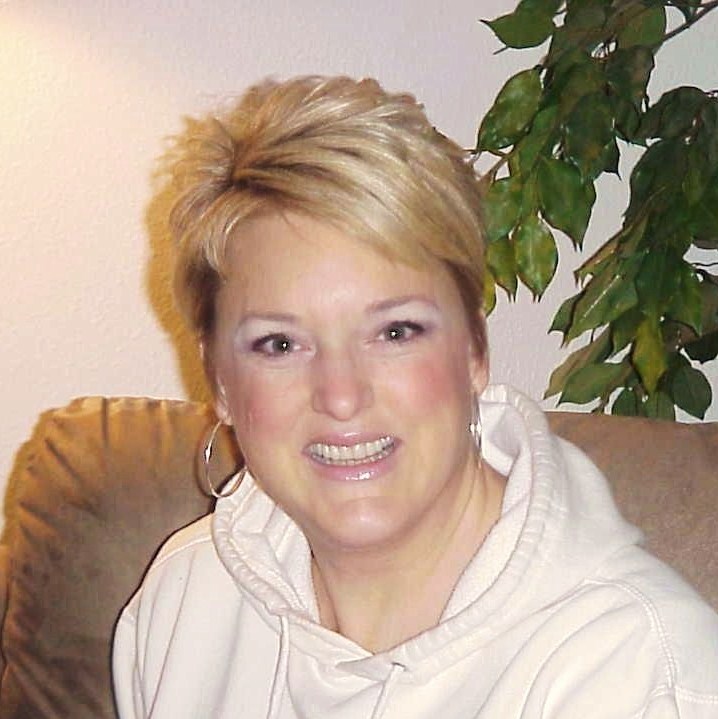
Amy Scobee’s 2010 book recounts 27 years inside Scientology, allegations of physical and sexual abuse, and the personal consequences she says followed her decision to speak publicly.
Former Scientology executive Amy Scobee spent nearly three decades working within the organization before leaving in 2005 and publicly describing what she said were years of mistreatment, intimidation and abuse. Her experiences became the subject of her 2010 memoir, Scientology: Abuse at the Top, which detailed her rise through the organization’s leadership and the treatment she said she witnessed at its international headquarters. Her allegations also became part of major investigations into Scientology’s leadership and internal disciplinary practices.
Scobee joined Scientology at age 14 in 1978 and eventually became a senior official within the Sea Organization, commonly called the Sea Org. She worked at the organization’s international management headquarters near Hemet, California, where she held positions involving senior staff and Scientology’s celebrity operations. After leaving, she began speaking with journalists about practices she believed had harmed members and discouraged them from questioning authority.
Her allegations have been disputed by the Church of Scientology, which has rejected accusations of widespread abuse involving its leadership. Scobee’s account remains an important example of the conflicting descriptions of life within the organization offered by former members and church representatives.
Joining Scientology at Fourteen
Scobee became involved with Scientology during a period of family changes following her parents’ divorce. She was living near Seattle when she encountered the organization and eventually joined its staff while still a teenager. Her decision led to a long career within a religious movement founded by science fiction writer L. Ron Hubbard in the early 1950s.
She subsequently joined the Sea Org, whose members dedicate their lives to advancing Scientology’s religious and administrative activities. Members traditionally sign a symbolic billion-year commitment reflecting the organization’s belief in spiritual existence beyond a single lifetime. Scobee described a demanding environment in which work responsibilities and organizational expectations dominated much of her personal life.
Over time, she advanced into increasingly important management positions and worked within Scientology’s international administration. Her responsibilities included helping develop the organization’s Celebrity Centre network, which serves entertainment industry members and other prominent individuals. She also worked in the Watchdog Committee, a senior management body responsible for overseeing organizational activities.
Her growing responsibilities brought her into contact with leading Scientology officials, including David Miscavige, who became the organization’s central leader after Hubbard’s death in 1986. Scobee later alleged that she witnessed disturbing behavior involving senior officials while serving in those positions.
Allegations of Sexual Abuse and Intimidation
One of the most serious allegations in Scobee’s account concerns an incident she says occurred when she was 14. She alleged that a male Scientology supervisor raped her and that an internal ethics officer subsequently discouraged her from reporting the incident to police. According to her account, the officer treated her as being in a disciplinary condition rather than responding to her allegation as a victim of sexual abuse.
Scobee discussed these allegations in her memoir and in subsequent interviews, including an appearance on Australian Broadcasting Corporation television in May 2010. Her account has also been featured in later documentaries examining Scientology’s treatment of former members. The allegations are her testimony and should not be confused with findings from a criminal prosecution establishing the alleged incident.
The Church of Scientology has rejected Scobee’s accusations. ABC Australia subsequently published an editorial clarification acknowledging that its interview should have made the organization’s denial clear.
Scobee also alleged that she witnessed physical violence involving senior Scientology executives. In a 2009 investigation by the St. Petersburg Times, now the Tampa Bay Times, she described seeing Miscavige strike subordinates and said she struggled for years to understand the behavior. Other former senior officials interviewed during the investigation reported similar experiences, although their individual accounts differed in important details.
Scientology denied the allegations about Miscavige and characterized the former officials’ statements as false. The competing accounts became central to a public dispute over whether the organization maintained appropriate safeguards for its employees and religious staff.
Punishment Within the Rehabilitation Project Force
Another major theme in Scobee’s memoir involves the Rehabilitation Project Force, or RPF, a program used within the Sea Org to address disciplinary and organizational concerns. Scientology has described the program as an opportunity for members to correct mistakes and restore their standing. Critics and former participants have described it very differently, alleging harsh working conditions, humiliation and restrictions on personal freedom.
Scobee said she was assigned to the program multiple times during her years with Scientology. She described performing demanding manual labor, including cleaning a septic tank and digging drainage ditches. In another account, she alleged that she was slapped after refusing to climb into a garbage can and clean it when she was a teenager.
Her experiences were not limited to physical work. She said RPF assignments separated her from family members and interrupted her personal relationships for extended periods. During her first marriage to another Sea Org member, she described spending years apart because of different assignments and disciplinary arrangements.
Despite these experiences, Scobee repeatedly returned to management positions. She said the cycle of punishment and reinstatement made it difficult to question the organization’s expectations, particularly after dedicating most of her adult life to Scientology.
Leaving the Organization in 2005
Scobee eventually decided to leave Scientology after becoming increasingly troubled by what she said she had witnessed. She and fellow Sea Org member Mat Pesch began the organization’s formal departure process, known among members as routing out. According to Scobee, the process involved extensive questioning, close supervision and uncertainty about when they would be allowed to leave.
The two departed separately on March 1, 2005. Scobee later described returning to the Seattle area with limited money, no conventional employment history and little experience navigating ordinary life outside the organization. She and Pesch subsequently married and began rebuilding their lives.
Leaving also affected her relationships with people who remained involved in Scientology. Scobee said the organization designated her a Suppressive Person, a classification applied to individuals considered hostile to Scientology or its interests. She alleged that this designation led to pressure on relatives and former colleagues to stop communicating with her.
In an April 2010 CNN interview, Scobee described Scientology representatives visiting her mother and telling her that she could no longer maintain contact with her daughter. The account became part of a wider public discussion about Scientology’s disconnection practices and the effect those policies could have on families.
Speaking Publicly Brings Further Conflict
Scobee became one of several former high-ranking Scientologists interviewed during the St. Petersburg Times investigation published in June 2009. Reporters examined allegations of violence, intimidation and internal discipline involving senior leadership. The investigation drew national attention and prompted additional former members to describe their experiences.
The Church of Scientology challenged the credibility of the former officials and issued public responses criticizing the reporting. Its magazine Freedom published material attacking the accounts of several former executives, including Scobee. She said the publication’s references to her personal relationships were intended to undermine her credibility rather than address the substance of her allegations.
Scobee also reported receiving warnings of potential legal action while preparing her book. She identified attorney Bertram Fields, who represented actor Tom Cruise, and Scientology spokesman Tommy Davis in connection with separate legal objections. Public reporting at the time did not establish that those warnings resulted in successful legal claims against her memoir.
Her story later appeared in BBC journalist John Sweeney’s documentary The Secrets of Scientology, broadcast in September 2010. The program examined allegations made by former members and the organization’s responses to criticism. Scobee described her participation as another opportunity to explain why she had decided to speak publicly after so many years inside Scientology.
A Memoir That Remains Part of the Public Record
Scientology: Abuse at the Top was published by Scobee Publishing in 2010 and runs 235 pages. The memoir follows her involvement with Scientology from adolescence through her senior management career, departure and public criticism of the organization. It provides a firsthand account of events that she believes demonstrate serious problems within its leadership structure.
The book did not appear recently, despite descriptions that could suggest a new publication. Scobee’s allegations became widely known through investigations and interviews conducted in 2009 and 2010, and they have remained accessible through subsequent reporting and documentary coverage.
Her experiences also illustrate the difficulties journalists face when examining allegations involving religious organizations. Former members can provide firsthand testimony, but serious accusations must be attributed carefully, and organizations accused of wrongdoing must be given an opportunity to respond. In Scobee’s case, her allegations and Scientology’s denials remain important parts of the historical record.
More than two decades after leaving Scientology, Scobee continues to maintain a public account of her experiences through her book and personal publishing website. The memoir remains available to readers interested in her account of leadership, discipline and life after leaving the organization.
IMAGE: Amy Scobee, author of Scientology – Abuse at the Top. Photo: Amy Scobee asserts that she is the owner and copyright holder of the image. / Wikimedia, CC BY-SA 3.0