
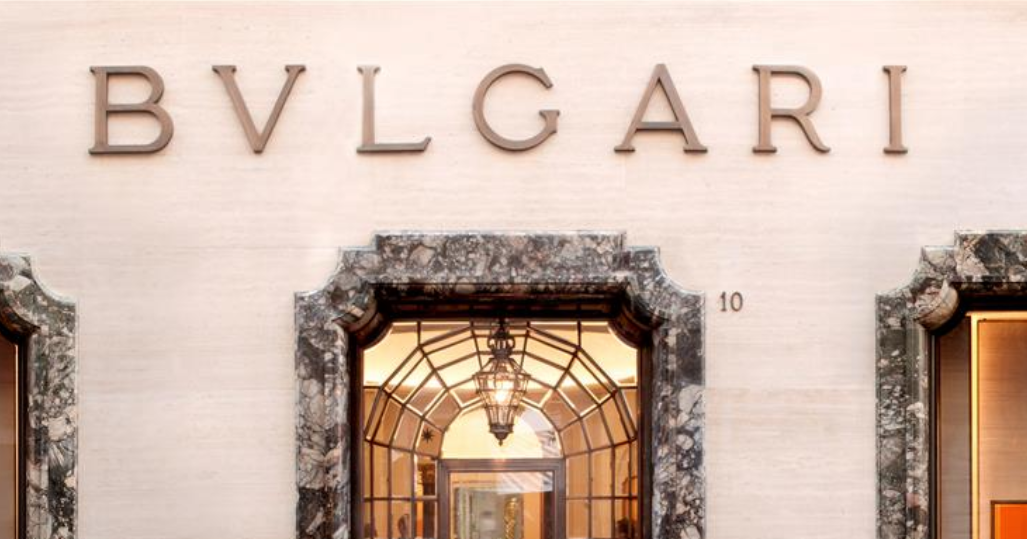
The longtime chairman of Bulgari helped transform his grandfather’s Roman jewelry business into a global luxury powerhouse, leaving a lasting influence on gemstone design, Italian fashion and philanthropy.
Paolo Bulgari, the Italian jeweler and businessman who helped transform his family’s jewelry company into one of the world’s most recognizable luxury brands, has died at age 89. His family announced his death on Saturday, November 21, 2026, in Rome. Bulgari served as chairman of the company for decades, helping establish its international reputation for colorful gemstones, distinctive designs and Italian craftsmanship.
Born in Rome in 1937, Bulgari was the grandson of Sotirios Voulgaris, a Greek silversmith who founded the business in 1884. He belonged to the third generation of the family and played a central role in its worldwide expansion. His death marks the loss of a businessman whose influence extended from jewelry design to international fashion and charitable work.
From a Greek Silversmith to a Roman Jewelry House
The Bulgari story began in Paramythia, a mountain village in northwestern Greece known for its tradition of silver craftsmanship. Sotirios Voulgaris learned the trade before leaving his homeland during the period of Ottoman rule. He eventually traveled to Italy, spending time in Naples before settling in Rome.
In 1884, Voulgaris opened the business that would become Bulgari. He adapted his family name to the Italian language and developed a jewelry business that gradually attracted wealthy customers and international travelers. The company would eventually become associated with Via dei Condotti, one of Rome’s most prestigious shopping streets.
The founder’s sons continued developing the business, including Paolo’s father, Giorgio Bulgari. As the company grew, it established a style that drew on Italy’s artistic history rather than simply following trends from Paris. That independence would become one of its defining characteristics.
Paolo entered the family business in 1960, working closely with his father. He concentrated initially on precious stones, learning to recognize their quality, color and potential in jewelry designs. His growing expertise became central to the company’s creative identity.
Paolo Bulgari Helped Define a Distinctive Style
Under Paolo Bulgari’s influence, the company became increasingly associated with bold colors, substantial gemstones and rich yellow gold. Its jewelry frequently incorporated unusual combinations of precious and semiprecious stones. These choices distinguished Bulgari from traditional European jewelry houses that favored more restrained designs.
Ancient Roman architecture, sculpture and decorative art provided inspiration for many collections. Jewelry designs featured strong geometric shapes and dramatic proportions, reflecting the company’s connection to its home city. The result was a recognizable visual identity that attracted collectors and celebrities.
Bulgari’s understanding of gemstones helped shape these creations. Rather than choosing stones solely for conventional measures of value, he appreciated their individual character and how colors interacted. This approach encouraged designers to experiment with combinations that other luxury houses might have avoided.
His knowledge also influenced younger employees. Lucia Silvestri, who became one of the company’s leading jewelry designers, credited Bulgari with recognizing her abilities early in her career. In a 2023 interview with Women’s Wear Daily, she described how working alongside him gave her opportunities to travel internationally and develop her understanding of precious stones.
International Expansion Changes the Family Business
A major turning point came in 1984, when Paolo became chairman of Bulgari. He worked with his brother Nicola and their nephew Francesco Trapani, who served as chief executive, to develop a more ambitious international strategy. The family sought to establish Bulgari as a global luxury company while preserving its Roman identity.
Stores opened in major international destinations, including New York, Paris, Geneva and Monte Carlo. The company expanded its appeal among wealthy travelers and jewelry collectors. Its distinctive designs helped it compete with established French and American luxury brands.
The business also diversified beyond traditional jewelry. Watches became an important product category, followed by fragrances, leather goods and accessories. The company eventually entered luxury hospitality, extending its name into hotels and resorts.
Bulgari jewelry became particularly popular among entertainment figures. Elizabeth Taylor was one of the brand’s most famous admirers, collecting pieces during her career and helping strengthen its association with Hollywood glamour. In later years, celebrities including Zendaya and Anne Hathaway brought Bulgari designs to international red carpets.
Despite his prominent role, Paolo maintained a relatively reserved public image. He frequently attended fashion and jewelry events but generally allowed the company’s designs and creative achievements to attract attention.
Bulgari Joins the LVMH Luxury Group
Another defining moment arrived in 2011 when French luxury conglomerate LVMH acquired control of Bulgari. The transaction ended the family’s decades-long position as the company’s controlling shareholder and brought the Roman jewelry house into a much larger international business.
The agreement gave Bulgari access to additional resources and a broader global distribution network. It also placed the brand alongside other major luxury names owned by LVMH. The founding family retained an important connection to the company’s identity even after the ownership change.
Bernard Arnault, chairman and chief executive of LVMH, paid tribute to Paolo following his death. He described Bulgari as a central figure in the brand’s success and recognized his commitment to its Italian character and Roman heritage.
The company also acknowledged his creative contributions. Bulgari representatives emphasized his knowledge of gemstones and his role in developing the artistic sensibility that continues to define the jewelry house.
Philanthropy Became an Important Later Priority
Although Bulgari built his career in luxury, he remained interested in the challenges facing disadvantaged families in Rome. In November 2019, he and his wife established the Paolo Bulgari Foundation to support children and young people. The organization focuses particularly on educational opportunities in underserved neighborhoods.
Its activities include helping schools, supporting educational programs and creating opportunities for professional development. The foundation works with local organizations to address the difficulties experienced by young people growing up in economically disadvantaged communities.
One notable project involved Largo Mengaroni, a public square in Rome’s Tor Bella Monaca neighborhood. Working with schools, community organizations and municipal authorities, the foundation supported the area’s redevelopment, completed in 2023. The project aimed to improve a shared public space and strengthen connections within the neighborhood.
Bulgari also recognized the importance of his family’s immigrant background. In an introduction published by the foundation, he reflected on how his surname originated with a man who left Greece to establish a new life in Italy. That family history helped inform his interest in opportunity and social inclusion.
Family and Fashion Industry Pay Tribute
Bulgari’s family announced his death with a statement praising both his professional achievements and personal qualities. They described his humanity, entrepreneurial abilities and affection for Italy. Their tribute called him the greatest jeweler of his era, reflecting the family’s admiration for his contributions.
The cause of death was not publicly disclosed. Bulgari is survived by six children from two marriages, according to published reports.
His death prompted condolences across the luxury industry, where he was remembered for helping preserve the company’s artistic traditions during decades of commercial growth. His influence remains visible in Bulgari’s emphasis on colorful gemstones, Roman-inspired designs and distinctive jewelry collections.
Funeral services are scheduled for Monday, November 23, at 11 a.m. at the Basilica of Santa Croce in Gerusalemme in Rome. The ceremony will bring family members and others together to remember a businessman who helped carry a small Roman jewelry enterprise onto the international stage.
The company he helped build remains a major part of the global luxury industry, while the Paolo Bulgari Foundation continues its educational work in the city where he was born.
IMAGE: Source upload of AndreaPrado10 Author Antonio Barella XX4