
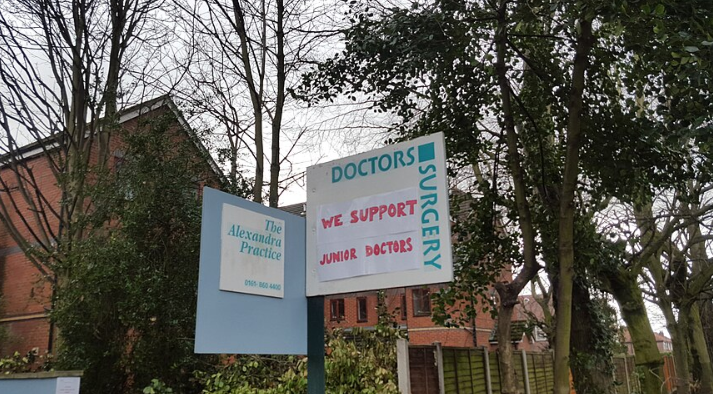
About 2,000 resident doctors participated in a 24-hour walkout over pay erosion and working conditions. The strike ended Saturday, November 21, 2026, with consultants and specialist doctors preparing for separate action on Monday.
A 24-hour strike by resident doctors across Northern Ireland ended Saturday, November 21, 2026, but a dispute over pay and working conditions remains unresolved. Approximately 2,000 doctors were involved in the walkout, which began Friday morning and affected hospitals and general practitioner surgeries throughout the region. The action comes amid warnings that Northern Ireland risks losing more medical professionals to better-paying jobs elsewhere.
The British Medical Association (BMA) says resident doctors have experienced a 20% decline in inflation-adjusted pay since 2008. Union representatives are demanding a plan to restore their previous purchasing power rather than simply provide an annual increase. Specialist and consultant doctors are scheduled to hold a separate strike on Monday, November 23.
Belfast Doctor Considers Leaving for Better Opportunities
Dr Oisín Fearon, a 30-year-old doctor from Ballymacnab in County Armagh, is among those questioning whether to remain in Northern Ireland. He graduated from Queen’s University Belfast five years ago and is training to become a cardiologist at the Mater Hospital. Despite his commitment to medicine, he believes deteriorating working conditions are making the profession increasingly difficult.
Fearon grew up in a medical family, with a father who works as a general practitioner. His father warned him about the long hours and pressures associated with becoming a doctor, but Fearon pursued the career anyway. He now believes years of insufficient investment have left Northern Ireland’s health service struggling to meet patients’ needs.
Speaking to The Irish Times, Fearon described the attraction of working in the Republic of Ireland. He said colleagues who moved south had found significantly better pay and conditions, encouraging him to consider the same decision. He has also explored opportunities in Australia, although family connections have made leaving Northern Ireland difficult.
Fearon has begun the process of registering to train in the Republic of Ireland. Although he has not committed to relocating, he wants to keep the option available. His concerns illustrate the recruitment and retention difficulties facing hospitals throughout Northern Ireland.
Pay Differences Create Pressure on Medical Workforce
The salary gap between Northern Ireland and the Republic is a major concern for doctors considering their future. Consultant salaries in Northern Ireland begin at approximately £110,681 and can reach £145,517, based on a standard 40-hour working week. Comparable consultant salaries in the Republic range from €233,527 to €280,513, based on a 37-hour week.
Those figures are expressed in different currencies and do not account for taxation, pensions or individual employment arrangements. Nevertheless, they demonstrate why positions across the border can appear financially attractive. The differences become particularly important for doctors planning careers that may require many additional years of specialist training.
Fearon recalled meeting a former training colleague who left Northern Ireland after a year and became a general practitioner in Dublin. The colleague reported better working conditions and was pleased with his decision. Fearon said experiences like that had made him reconsider his own long-term plans.
He also expressed concern about patient outcomes and access to medical care. More than a quarter of Northern Ireland’s population is on a waiting list for a consultant appointment, according to figures cited in the reporting. Fearon believes the region’s healthcare difficulties reflect years of inadequate investment rather than a lack of commitment among medical staff.
Doctors Demand Restoration of Lost Earnings
The BMA says years of pay awards below inflation have reduced the purchasing power of doctors’ salaries. Although some recent increases have been substantial, the union argues they have not reversed the decline experienced since 2008. Its campaign calls for a credible, longer-term plan to restore pay.
Dr Steven Montgomery, chair of the BMA’s Northern Ireland Resident Doctors Committee, said doctors were frustrated that their concerns remained unresolved after earlier industrial action. Resident doctors also walked out during June, and the November stoppage marked their second round of strikes this year. Montgomery described further industrial action as a last resort.
The union has emphasized that it is not demanding the entire amount of lost pay immediately. Instead, representatives want the government to establish a funded timetable for restoring earnings over several years. They argue that predictable improvements would help retain doctors and attract new staff.
The BMA also links pay to working conditions and patient care. Staff shortages can increase workloads for doctors who remain, creating additional pressure during already demanding shifts. Union representatives say that improving recruitment and retention is essential to maintaining a sustainable health service.
Health Minister Says Funding Remains an Obstacle
Northern Ireland Health Minister Robbie Butler has acknowledged the concerns but says his department faces serious financial constraints. He supports implementing the 3.5% pay increase recommended by the independent Doctors’ and Dentists’ Remuneration Review Body for 2026–27. However, he says the necessary funding has not yet been secured.
Butler noted that resident doctors had received average cumulative pay increases of approximately 30% over the previous three years. Specialist and associate specialist doctors received increases averaging 25%, while consultants received approximately 24%. The government argues that further increases beyond the recommended award would have financial consequences for other public services.
The minister has warned that additional funding commitments must be considered alongside demands from nurses, teachers, police officers and other public employees. He said he remains willing to engage with the BMA while seeking a workable budget agreement. The disagreement therefore involves both immediate salaries and how Northern Ireland distributes limited public funding.
Butler has also raised concerns about disruption to patients. He said two previous 24-hour strikes in June resulted in more than 2,200 cancelled appointments across the health system. With hospitals approaching the busy winter period, further disruption could increase pressure on existing waiting lists.
Patients Face Disruption as Strikes Continue
Friday’s action involved resident doctors withdrawing their labour from hospitals and GP surgeries between 7 a.m. Friday and 7 a.m. Saturday. Healthcare trusts arranged alternative staffing to maintain essential services and protect patients requiring urgent treatment. Some appointments and planned procedures were vulnerable to cancellation or postponement.
Resident doctors are qualified medical practitioners completing postgraduate training under senior supervision. They undertake a wide range of duties, including caring for patients in emergency departments, hospital wards and specialist services. Their absence can affect routine operations even when senior doctors provide additional cover.
The Western Health and Social Care Trust advised patients to use emergency departments only for urgent medical or mental health needs that could not be managed through other services. Hospital officials urged people to follow any instructions received about scheduled appointments. Health trusts continued operating essential services during the industrial action.
Consultants and specialty, associate specialist and specialist doctors are preparing for their own 24-hour strike beginning at 7 a.m. Monday, November 23. Their action will maintain staffing comparable to Christmas Day arrangements rather than withdraw all services. Emergency treatment is expected to remain available, although some routine services may be disrupted.
Uncertainty Remains Over Future Negotiations
The dispute has exposed disagreements about how quickly Northern Ireland can improve doctors’ pay while addressing wider financial pressures. The BMA argues that delays are making recruitment and retention more difficult. Government officials maintain that additional spending requires a sustainable budget.
For Fearon, the issue is becoming increasingly personal as he considers where to complete his training and establish his career. He would prefer to remain close to family and continue serving patients in Northern Ireland. However, better opportunities elsewhere could eventually influence that decision.
The next immediate test will come Monday when consultants and specialist doctors begin their planned action. Talks between the BMA and the Department of Health remain important, but no agreement has been announced. Without a funded pay restoration plan, the possibility of further industrial action remains.
IMAGE: Source Own work Author Rathfelder CC4