
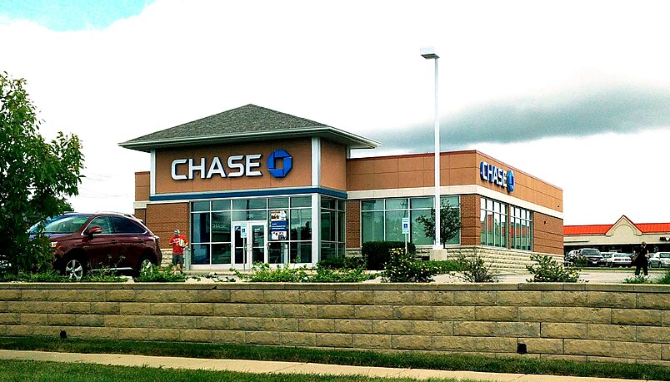
A software bug disrupted Chase banking services on November 16, 2026, causing problems with online accounts, transactions and payments. Other major banks also reported customer difficulties before Chase confirmed that transactions were processing normally again.
JPMorgan Chase experienced a nationwide technology outage on Monday, November 16, 2026, disrupting banking transactions and online services for thousands of customers. The problems began in the morning and continued into the afternoon, with some customers unable to complete transactions or access certain banking features. By Monday evening, Chase announced that transactions were processing normally again.
The bank attributed the disruption to a software bug affecting its internal computer systems. Customers were assured that their accounts and funds remained accessible, although some transactions were taking longer than usual to complete. Chase also stated that the incident was not caused by a cyberattack.
The disruption coincided with customer complaints involving several other major financial institutions, including Bank of America, Wells Fargo and U.S. Bank. However, the problems reported at those institutions did not necessarily indicate that all their systems had failed.
Chase Confirms Software Bug Behind Banking Disruption
The technology problem affected JPMorgan Chase’s ability to process certain transactions at its usual speed. According to Reuters, the bank identified a software bug involving systems running on hardware located at its own facilities.
These systems support important banking operations, including the processing and movement of financial transactions. When a problem develops, customers may encounter delays even when their accounts remain active and their money is available.
A Chase spokesperson explained that the problem was temporary and that some customer services were taking longer than normal. The company emphasized that there was no evidence of a cybersecurity incident.
The bank also said the problem was not systemic, meaning it had not identified a broader failure throughout the financial system. Nevertheless, transactions involving Chase and other institutions could experience delays while its systems were operating abnormally.
The distinction was important because JPMorgan Chase handles an enormous volume of financial activity. Problems affecting its transaction systems can create complications for customers and businesses that send or receive money through the bank.
Chase did not immediately provide detailed technical information about the software bug. It also did not disclose how many individual customers were directly affected by the problem.
Customers Report Problems With Online Banking
Complaints about Chase services began appearing Monday morning and increased significantly during the afternoon. Customers reported difficulty accessing their online accounts, using mobile banking applications and completing transactions.
Some people attempting to use the Chase mobile application encountered an error message indicating that certain banking services were temporarily unavailable. The message advised customers to try again later while the bank worked on the problem.
CBS News reported that the outage monitoring website Downdetector recorded a sharp increase in customer complaints involving Chase. Reports covered several banking services, reflecting the different ways customers experienced the disruption.
However, Downdetector figures represent reports submitted by users rather than a verified count of affected customers. A single technical problem can generate multiple reports, while other customers experiencing difficulties may never report them.
Problems were not limited to mobile applications and websites. CNN reported that some customers also encountered difficulties completing transactions at physical Chase branches.
One customer in Dallas, Texas, described being unable to deposit a check at a bank location. A teller reportedly explained that the system was unavailable but could not provide a definite restoration time.
Such interruptions can create immediate problems for customers who need to deposit checks, move money or complete payments. Businesses relying on regular banking transactions may also face uncertainty when processing times become unpredictable.
Bank of America and Wells Fargo Customers Also Report Issues
The disruption attracted greater attention as customers of other financial institutions began reporting similar difficulties. Downdetector recorded increases in complaints involving Bank of America, Wells Fargo, U.S. Bank, Capital One and Truist.
According to UPI, the monitoring service recorded more than 3,400 reports involving Chase by approximately 3:30 p.m. Eastern Time. During the same period, more than 1,500 reports involved Bank of America, while U.S. Bank and Wells Fargo also registered hundreds of complaints.
These figures illustrated the widespread nature of customer concerns but did not establish that every bank was experiencing the same technical problem. Financial institutions use separate systems, even though they depend on shared payment networks and transactions between banks.
Bank of America and Wells Fargo initially declined to provide detailed comments about the reported disruptions. Wells Fargo subsequently acknowledged a technical issue through a notice on its website.
U.S. Bank, meanwhile, said its internal systems were not directly affected by Chase’s problem. The company warned that customers transferring money to or from accounts at other institutions could still encounter delays.
The reports demonstrated how difficulties at one major financial institution can affect transactions involving another. However, officials did not establish that the Chase software bug was responsible for every problem reported across the banking industry.
Zelle Says Its Payment Network Remained Operational
Customers using Zelle, the digital payment service available through many banking applications, also reported difficulties on Monday. Some users experienced delays while attempting to send or receive money.
Zelle is operated by Early Warning Services, a company owned by several major American banks. The network allows customers to transfer money directly between eligible bank accounts, often within minutes.
Despite the customer complaints, Zelle said its payment network was functioning normally. A company spokesperson explained that problems at individual financial institutions could interfere with transactions involving their customers, even when Zelle’s own system remained available.
That distinction helps explain why some users experienced payment problems while others could continue transferring money. A functioning payment network still depends on participating banks being able to process transactions.
U.S. Bank similarly warned that customers might experience delays when transferring funds through Zelle to or from other institutions. The bank maintained that its own systems had not been directly affected.
For customers, the difference between a network outage and a bank processing delay may not be immediately apparent. In both situations, payments may take longer than expected or temporarily fail to appear as completed.
Chase Announces Transactions Have Returned to Normal
After several hours of disruptions, Chase reported progress restoring its banking services. By approximately 6:30 p.m. Eastern Time, the bank confirmed that transactions were posting normally again.
NBC News reported the restoration announcement, marking an important development for customers who had experienced problems throughout the day. The company did not immediately provide a detailed explanation of how engineers corrected the software bug.
The restoration also did not establish that every previously delayed transaction had been completed at that moment. Customers whose payments or deposits were interrupted may still have needed to review their account activity.
The bank’s announcement nevertheless indicated that its primary transaction processing operations had returned to normal. It brought an end to an outage that had generated thousands of customer complaints and concerns about access to essential financial services.
The incident also illustrated the difficulties banks face when technical failures affect several customer services at once. Even when funds remain secure, interrupted access can prevent customers from completing time-sensitive financial activities.
Banking Outage Follows Other Major Technology Problems
The Chase disruption occurred during a period marked by several unrelated technology failures affecting major American services. Days earlier, Microsoft experienced a widespread outage that disrupted Outlook, Teams and other products.
The Microsoft problem affected businesses, government organizations and individuals who depended on its communications services. Microsoft attributed the disruption to a technical issue and restored its services before the banking problems emerged.
The Federal Aviation Administration also experienced a serious technology failure that temporarily halted departing flights nationwide. The disruption raised concerns about aging infrastructure and the dependence of transportation systems on reliable computer networks.
Although these incidents occurred close together, officials did not establish a connection between them. The Chase software bug was not linked to the Microsoft outage or the FAA’s technology problems.
Their timing nevertheless drew public attention to the importance of maintaining essential digital systems. Banking, transportation and communications organizations increasingly depend on complex networks that must remain available around the clock.
A temporary malfunction can affect large numbers of people when a service is widely used. The impact can extend beyond the organization experiencing the initial problem, especially when customers depend on transactions involving several different companies.
What Customers Should Know After the Outage
With Chase reporting that transactions were processing normally again, affected customers can review their banking activity to determine whether delayed payments or deposits have been completed.
Customers who attempted transactions during the disruption should check their account histories before repeating those payments. Submitting the same transaction again without confirming its status could result in an unintended duplicate payment.
Anyone who continues to experience difficulties can contact Chase through its official website, banking application or customer service channels. Customers should also remain cautious about unexpected messages claiming to offer assistance with the outage.
The bank has not reported evidence that the incident involved stolen customer information or unauthorized access to accounts. Its explanation identifies a software malfunction rather than a security breach.
The November 16 outage has ended, but questions remain about the precise software failure and the number of transactions affected. Chase has confirmed that normal processing resumed, while additional details about the incident’s underlying cause have not been publicly released.
IMAGE: Source Own work Author Mysterymanblue CC1