
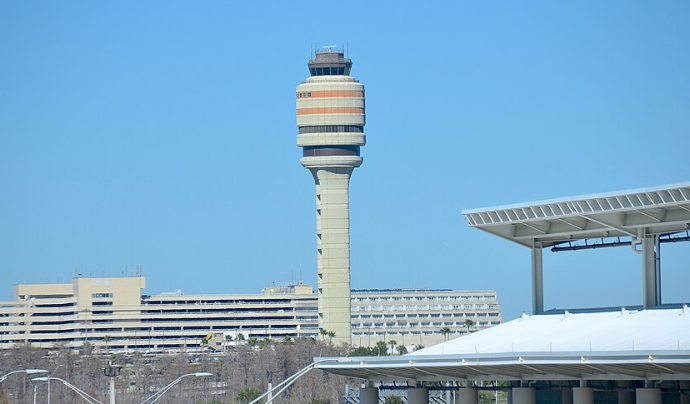
A four-hour shutdown of U.S. flight departures on November 13, 2026, stranded travelers, disrupted professional and college sports teams, and raised concerns about aging air traffic control equipment.
The Federal Aviation Administration lifted a nationwide ground stop Friday evening, November 13, after a telecommunications outage disrupted air traffic control operations across the United States. The emergency order halted departing flights for more than four hours, leaving passengers stranded and complicating travel for professional and college sports teams. Federal officials said aging communications equipment was responsible for the disruption.
The FAA reopened U.S. airspace at approximately 8:15 p.m. Eastern time, although airlines warned that delays and cancellations would continue. Thousands of flights had already been affected, creating scheduling problems that could extend into Saturday. Transportation officials said restoring normal airline operations would take additional time.
Communications Failure Forces Nationwide Shutdown
The disruption began Friday afternoon when communications problems affected regional air traffic control centers responsible for managing aircraft movements. The FAA issued its nationwide ground stop shortly before 4 p.m. Eastern time, ordering airports to suspend departures as a safety precaution.
Flights already airborne were generally permitted to continue to their destinations, while international departures received individual consideration. The restrictions created problems for airlines attempting to coordinate aircraft, crews and passengers across their networks.
Transportation Secretary Sean Duffy initially announced that FAA technicians were investigating the communications failure. The agency described the situation as a temporary telecommunications outage and said the grounding was necessary to protect aviation safety.
Later Friday, Duffy attributed the disruption to aging communications equipment that had become overloaded. The explanation shifted attention toward the condition of the nation’s air traffic control infrastructure, which relies on systems developed over several decades.
Thousands of Flights Delayed or Canceled
The shutdown quickly affected airports throughout the country, leaving aircraft parked at gates and passengers waiting for departure information. Airlines faced the difficult task of adjusting schedules while maintaining enough available aircraft and flight crews for subsequent trips.
According to ABC News, FlightAware reported 1,913 cancellations and 10,494 delays nationwide as of approximately 6:04 p.m. Eastern time. Those figures represented a snapshot during the disruption rather than a final accounting of its impact.
The Associated Press reported that hundreds of aircraft were diverted as the communications problems spread. Some flights returned to their departure airports, while others landed at alternative destinations because of the restrictions.
Major carriers advised customers to monitor their flight status and prepare for additional delays. Even after departures resumed, aircraft and crews were not necessarily positioned where airlines needed them for scheduled operations.
Airlines also faced the challenge of accommodating travelers whose flights had been canceled or substantially delayed. Passengers affected by cancellations could generally seek refunds or alternative transportation, although additional compensation was not automatically required for disruptions outside airline control.
College Football Teams Face Travel Problems
The timing created particular difficulties for college football programs preparing for Saturday games. Several teams were scheduled to travel Friday, leaving limited time to arrange alternative transportation if their flights remained grounded.
The Associated Press identified Ole Miss, Baylor, Kansas State, Washington and Minnesota among the programs affected by the shutdown. Teams had to consider whether delayed departures would interfere with their arrival schedules, preparation and rest before competition.
Other programs avoided the disruption by departing earlier Friday. Missouri had already traveled for its game against Georgia, while Duke and Texas Tech also completed departures before the nationwide restrictions took effect.
The shutdown also raised questions about whether game officials could reach their assignments on time. Referees frequently travel the day before a game, making last-minute flight disruptions especially difficult to manage.
For teams traveling long distances, buses were not always a practical substitute. Athletic departments faced uncertainty about when their aircraft could depart and whether Saturday schedules would require adjustments.
NBA and NHL Teams Also Affected
Professional basketball and hockey teams encountered similar problems as they prepared for weekend games. The interruption came during a busy period when clubs were traveling between cities with relatively little time between scheduled contests.
The Brooklyn Nets were among the NBA teams affected. Players had boarded their aircraft in New Orleans for a trip to Memphis when the nationwide ground stop prevented their departure.
Detroit’s Pistons had reached Miami earlier in the day, avoiding the immediate restrictions. Other teams scheduled to travel after Friday games faced uncertainty about whether their flights would operate as planned.
The NHL also had a crowded Saturday schedule, with 14 games planned across the league. The San Jose Sharks were waiting to travel to Utah when the grounding began, while the Florida Panthers had already arrived in St. Louis.
The travel problems did not automatically mean games would be postponed. However, teams and league officials needed to monitor the situation as airlines worked to restore service.
Homeland Security Rules Out Evidence of an Attack
Homeland Security Secretary Markwayne Mullin addressed concerns about whether the communications failure involved terrorism or a cyberattack. He said investigators had found no indication that the outage resulted from a deliberate attack against the United States.
Mullin emphasized that the government was treating the incident as a telecommunications problem while officials continued examining its cause. His comments were intended to reassure travelers concerned about the safety of aircraft already in the air.
The distinction was important because a nationwide grounding is an exceptionally unusual step. Federal aviation officials generally use ground stops for specific airports or regions rather than suspending departures throughout the country.
Officials maintained that the restrictions were precautionary and that aircraft already operating were being accounted for. The investigation focused on restoring reliable communications and determining how the equipment failure developed.
Previous Nationwide Grounding Occurred in 2023
Friday’s shutdown was the first nationwide ground stop since January 11, 2023, when a malfunction in the FAA’s Notice to Air Missions system interrupted departures. That earlier failure prevented pilots and airlines from receiving important flight safety information.
The 2023 order lasted approximately 90 minutes before departures resumed, although its effects continued throughout the day. The FAA’s historical records identify that incident as the second nationwide ground stop in the agency’s history.
The first occurred following the September 11, 2001, terrorist attacks, when authorities grounded civilian aircraft as part of the national emergency response. Friday’s interruption therefore represented another rare nationwide suspension of departing flights.
Unlike the 2023 computer system failure, the latest disruption involved communications infrastructure used by air traffic control facilities. Both incidents demonstrated how technical problems can rapidly affect flights across the entire country.
Aging Aviation Equipment Faces Renewed Scrutiny
The outage renewed concerns about the reliability of equipment supporting the nation’s aviation system. Air traffic controllers depend on communications networks to coordinate aircraft movements and maintain safe distances between planes.
During Friday evening’s briefing, Duffy called attention to outdated technology and urged Congress to support improvements. Federal officials said substantial additional funding would be needed to modernize equipment and reduce the risk of similar failures.
Modernization projects can involve replacing communications hardware, upgrading computer systems and improving backup capabilities. Such work must also be coordinated carefully because air traffic control facilities cannot simply suspend operations for extended equipment replacements.
The nationwide grounding demonstrated how a failure involving essential infrastructure can create consequences far beyond the affected equipment. Airlines, airports, passengers and sporting organizations all experienced disruptions from a problem originating within the aviation system.
Although departures resumed Friday evening, the immediate challenge remained restoring normal flight schedules. Airlines continued adjusting operations while federal officials examined the equipment failure and the broader need for improvements to air traffic control communications.
IMAGE:Source Own work Author Olga Ernst CC4