
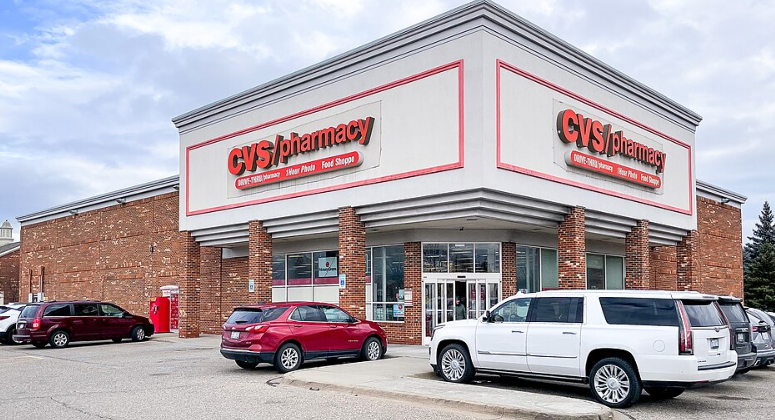
The healthcare giant will separate nearly 9,000 pharmacies from Aetna and Caremark, reversing years of consolidation as investors question the strategy and shares plunge.
CVS Health announced Wednesday, November 4, 2026, that it plans to split into two independent, publicly traded companies, separating its retail pharmacy business from its health insurance and pharmacy benefit operations. The restructuring is expected to be completed in the first half of 2028 and represents a major reversal of the company’s long-standing strategy of combining different healthcare services under one organization.
The separation will create a company called CVS Pharmacy, which will operate approximately 9,000 drugstores across the United States. The second company, temporarily retaining the CVS Health name, will include health insurer Aetna, pharmacy benefit manager Caremark and several healthcare services businesses.
CVS Chairman and CEO David Joyner will lead the healthcare services company, while current group president Prem Shah will become CEO of CVS Pharmacy. The announcement follows a strategic review by the company’s board of directors and comes amid increasing pressure on the healthcare industry to address prescription drug costs and complex corporate ownership structures.
Two Companies With Different Healthcare Businesses
The new CVS Pharmacy company will operate the drugstore chain, mail-order pharmacy services, MinuteClinic locations and virtual healthcare services. It will also include Health100, a technology business focused on developing healthcare tools and services.
CVS Pharmacy will continue serving customers who purchase prescription medications, over-the-counter products and everyday household goods. Its nearly 30,000 pharmacists will remain central to the company’s operations, with opportunities to expand clinical services and develop partnerships with insurers and healthcare providers.
The other company will retain Aetna and CVS Caremark, along with CVS Specialty, Oak Street Health and Signify Health. These businesses provide insurance coverage, prescription benefit management, specialty medications, primary care and health assessments.
Aetna serves approximately 26 million medical members, while Caremark manages prescription benefits for about 87 million plan members. Keeping these operations together will allow the new healthcare company to maintain relationships between insurance coverage, prescription drug management and patient care.
Oak Street Health operates primary care centers focused on older adults, while Signify Health provides home-based health evaluations and related services. CVS acquired both businesses in 2023 as part of its effort to expand beyond traditional pharmacies and insurance.
The separation will not immediately change how CVS customers fill prescriptions or receive healthcare services. CVS has stated that existing operations will continue without interruption while the companies prepare to become independent.
Reversing Nearly Two Decades of Expansion
The decision represents a significant change from the strategy CVS pursued for almost 20 years. The company began expanding beyond retail pharmacies in 2007 when it merged with Caremark, bringing a major pharmacy benefit manager into its business.
In 2018, CVS completed its acquisition of Aetna in a transaction valued at approximately $70 billion, or $78 billion including assumed debt. The purchase created one of the nation’s largest integrated healthcare companies.
Executives argued that combining pharmacies, insurance and prescription benefit management would improve coordination and reduce healthcare expenses. They envisioned a system in which customers could obtain prescriptions, insurance benefits and medical services through related businesses.
That approach helped CVS expand its influence across the healthcare industry, but it also attracted criticism. Consumer advocates, lawmakers and competing pharmacies questioned whether large companies controlling multiple parts of the prescription drug system could limit competition.
Pharmacy benefit managers negotiate drug prices and rebates with pharmaceutical manufacturers and establish prescription coverage arrangements for insurers and employers. Critics argue that their financial relationships can make drug pricing difficult to understand and may create incentives that do not always benefit patients.
CVS has defended its business model, arguing that coordination between pharmacies, insurers and benefit managers can improve healthcare access and affordability. The company’s latest restructuring suggests that executives now see greater advantages in operating some of those businesses separately.
Regulatory Pressure Adds to Industry Challenges
The planned breakup comes as state and federal lawmakers examine the influence of pharmacy benefit managers. Several proposals would require greater transparency in drug pricing or restrict ownership relationships between benefit managers and pharmacies.
Arkansas and Tennessee have adopted measures targeting arrangements in which the same parent company owns both a pharmacy benefit manager and retail pharmacy operations. CVS has challenged restrictions affecting its businesses, creating additional legal and regulatory uncertainty.
Healthcare Dive reported that the company had considered separating its operations during an earlier strategic review in 2024. Analysts have suggested that the latest decision could help CVS respond to a changing regulatory environment while giving its individual businesses more independence.
Joyner, however, said regulatory pressure was not the primary reason for the separation. He described the restructuring as a business decision intended to make each organization more focused and competitive.
The move also reflects broader challenges facing traditional drugstore chains. Retail pharmacies must compete with online sellers, supermarket pharmacies and companies offering home delivery of medications.
CVS has already reduced its physical store network and adjusted its operations to improve profitability. The independent pharmacy company will need to manage those pressures without relying on the same corporate structure that previously connected it to Aetna and Caremark.
Investors React Negatively Despite Strong Earnings
The announcement surprised investors and sent CVS shares sharply lower on Wednesday. Reuters reported that the stock fell approximately 12.5%, erasing nearly $15 billion in market value as investors assessed the proposed restructuring.
The decline came despite stronger-than-expected third-quarter financial results. CVS reported revenue of $108.4 billion for the quarter ending September 30, compared with $102.9 billion during the same period in 2025.
The company recorded net income of approximately $2.2 billion, compared with a loss of about $4 billion a year earlier. Adjusted earnings reached $2.09 per share, exceeding analysts’ expectations.
CVS also increased its full-year 2026 adjusted earnings forecast to at least $8.20 per share. Its previous guidance had called for earnings between $7.90 and $8.10 per share.
The improved results were supported by stronger performance in the Health Care Benefits segment, which includes Aetna. CVS has worked to improve profitability in that business after experiencing unexpectedly high medical expenses in previous years.
The pharmacy business also benefited from increased prescription volume and operational improvements. Nevertheless, investors appeared concerned about the costs and uncertainties associated with separating such a large organization.
What the Split Means for Customers and Shareholders
For customers, CVS says the restructuring should not interrupt prescription services, medical appointments or health insurance benefits. Existing operations will continue while the company develops the legal and financial arrangements needed for the separation.
The company has not announced specific changes to prescription prices resulting from the split. Medication costs will continue to depend on factors such as insurance coverage, drug prices, pharmacy reimbursement agreements and individual health plans.
For investors, the transaction is expected to create ownership stakes in both companies. Current CVS Health shareholders will receive shares in the two separate businesses through a transaction intended to be tax-free for federal income tax purposes.
The exact distribution of shares has not yet been announced. CVS expects both companies to maintain investment-grade credit ratings and generate enough cash to support operations, investments and shareholder dividends.
The separation still requires final approval from the CVS board and completion of regulatory and financial requirements. These include an effective registration statement with the Securities and Exchange Commission and confirmation of the intended tax treatment.
Until those conditions are satisfied, CVS Health will continue operating as a single publicly traded corporation.
A New Direction for One of America’s Largest Healthcare Companies
The restructuring will leave CVS Health focused primarily on insurance, prescription benefit management and healthcare delivery. CVS Pharmacy will become an independent retail and community healthcare company with a nationwide network of stores.
Both organizations will face different challenges after the separation. The insurance and services company must manage medical expenses and regulatory requirements, while the pharmacy business must compete for prescription customers and strengthen its retail operations.
CVS executives believe the new structure will allow each company to make investment decisions more quickly and pursue opportunities suited to its business. Analysts will be watching how the company distributes debt, cash and other financial responsibilities between the two organizations.
The next major steps involve naming additional executives, selecting board members and preparing detailed financial information for shareholders. CVS expects to complete the separation during the first six months of 2028, provided the remaining requirements are met.
IMAGE: Source CVS Pharmacy – Storefront Author ajay_suresh CC2