
A Yakima County resident became the first reported U.S. bird flu fatality of 2026, as health officials confirmed three local human infections and continued monitoring dairy farm outbreaks.
A Washington state resident has died from complications of H5N1 bird flu after exposure to infected dairy cattle in Yakima County. The person died Sunday, November 1, 2026, following hospitalization for severe illness, marking the first reported U.S. death from avian influenza this year.
The Yakima Health District confirmed the death and reported a third human infection in the county. The deceased resident had underlying health conditions, although officials did not release the person’s name, age or gender to protect the family’s privacy.
The death comes as Washington agricultural and public health officials investigate a growing outbreak affecting dairy farms. Despite the serious case, health authorities continue to classify the risk of bird flu infection among the general public as low.
Three Human Bird Flu Cases Confirmed in Yakima County
Yakima County has recorded three human cases of avian influenza linked to exposure to infected dairy cattle since mid-October. The first case was announced October 15, followed by a second on October 31 and a third reported November 1.
The two other residents did not develop severe illness or require hospitalization, according to local reporting. Health officials have not established that all three infections occurred at the same dairy farm.
The Yakima Health District said it was monitoring people who had close contact with the deceased patient. Investigators are also identifying individuals who may have been exposed to the county’s newest confirmed case.
Dr. Dave Atteberry, health officer for the Yakima Health District, offered condolences to the family and emphasized the importance of continued monitoring. He said avian influenza can cause severe illness, particularly in people with underlying health conditions.
Washington Governor Bob Ferguson also expressed sympathy and said his administration was coordinating with public health and agricultural officials. The state continues to encourage dairy workers to take precautions when handling cattle that may be infected.
There is currently no evidence that the Yakima County infections resulted from transmission between people. The available information indicates that the affected residents contracted the virus following exposure to infected animals.
Dairy Farm Outbreak Expands Across Washington
Washington confirmed its first detections of highly pathogenic avian influenza in dairy cattle on October 8, 2026. Federal and state laboratories initially identified H5N1 infections in two Yakima County dairy herds.
Additional testing revealed infections at more farms during the following weeks. By October 29, officials had recorded 33 affected dairy herds in Yakima County.
The outbreak has also extended into neighboring Benton County. Washington officials are working to identify infected animals, monitor dairy employees and prevent further movement of the virus between farms.
H5N1 primarily circulates among wild birds, but it can infect poultry and mammals. The virus was first identified in U.S. dairy cattle in March 2024, creating new concerns about exposure among agricultural workers.
Infected dairy cows may experience decreased milk production, reduced appetite, fever and changes in milk appearance. Many affected animals recover, but the outbreak creates financial and operational problems for farms that must manage sick cattle and protect employees.
The U.S. Department of Agriculture confirmed another affected dairy herd in Indiana on November 2, marking that state’s first reported cattle infection. Federal officials said dairy herds in 21 states had been affected since the national outbreak began in 2024.
Third U.S. Bird Flu Death Since 2024
The Yakima County fatality is the third reported U.S. death involving bird flu since the virus became a major national public health concern in 2024. The previous two deaths involved different exposure circumstances.
The first death was announced in January 2025 in Louisiana. The patient was an older adult with underlying medical conditions who had been exposed to sick and dead birds in a backyard flock.
The second occurred in Washington’s Grays Harbor County on November 21, 2025. That patient had contracted H5N5, a rare bird flu subtype that had never previously been confirmed in a human.
Washington health officials linked the H5N5 infection to possible exposure involving the patient’s backyard poultry flock or wild birds. The case was unrelated to the later H5N1 outbreak affecting dairy cattle in Yakima County.
The Centers for Disease Control and Prevention had recorded 72 human H5 bird flu infections in the United States since February 2024 in its October 15 surveillance summary. Additional cases reported afterward may not yet be reflected in that published total.
Most infections have occurred among people exposed to infected dairy cattle, poultry or contaminated farm environments. Many patients experienced relatively mild illness, although the confirmed deaths demonstrate that severe outcomes are possible.
CDC Finds No Evidence of Easier Human Transmission
One concern surrounding the continuing outbreak is whether H5N1 could develop genetic changes that allow it to spread efficiently between people. Influenza viruses can change over time, making continued testing and genetic surveillance important.
The Associated Press reported that the CDC analyzed the virus collected from the Washington patient who died. According to the agency, the genetic analysis did not identify changes suggesting the virus had become more transmissible or more likely to cause severe disease.
That finding provides important information about the specific infection, but it does not eliminate the need for surveillance. Public health officials continue to monitor human cases and animal outbreaks for evidence of changes in the virus.
The CDC says no person-to-person transmission of H5 bird flu has been documented in the United States during the current outbreak. Most identified human infections have followed direct or indirect contact with infected animals.
People working with sick cattle face greater exposure risks than members of the general public. Virus-containing material can reach the eyes, nose or mouth through splashes, droplets or contact with contaminated surfaces.
Health Officials Recommend Protective Measures
Agricultural workers are encouraged to wear appropriate protective equipment when caring for potentially infected animals. Recommended equipment can include gloves, eye protection and properly fitted respiratory protection.
Workers should also wash their hands frequently and avoid touching their faces after handling animals or contaminated equipment. People who develop symptoms following possible exposure should contact a healthcare provider and report their animal contact history.
Bird flu symptoms can include fever, cough, sore throat, muscle aches and eye redness. More serious infections may cause breathing difficulties or severe respiratory disease.
Food safety remains another important consideration because infected dairy cattle can shed H5N1 virus in their milk. Health officials say pasteurization effectively inactivates the virus, making properly pasteurized milk and dairy products safe to consume.
Raw milk and unpasteurized dairy products should be avoided because they may contain infectious viruses and other harmful microorganisms. Officials also advise against feeding raw milk, unpasteurized dairy products or raw meat to pets.
The seasonal influenza vaccine does not directly protect against H5N1 bird flu. However, public health officials recommend routine flu vaccination because it can reduce the risk of simultaneous infection with seasonal and avian influenza viruses.
Monitoring Continues After Fatal Washington Case
The Yakima Health District is coordinating with the Washington State Department of Health and agricultural authorities to track additional infections. Its public reporting schedule calls for updates every Monday and Thursday at 2 p.m. Pacific Time.
Health officials are particularly focused on people who have worked with infected animals or spent time in contaminated dairy environments. Monitoring exposed individuals helps investigators identify symptoms early and determine whether additional testing is necessary.
For residents outside affected farming environments, officials continue to recommend avoiding sick or dead animals and consuming only properly prepared animal products. The CDC maintains that the current risk to the general public remains low.
The investigation now centers on monitoring contacts of the confirmed patients, identifying additional exposures and tracking infections among dairy herds. The results will help determine whether the outbreak is being contained or whether further measures are needed to protect agricultural workers and surrounding communities.
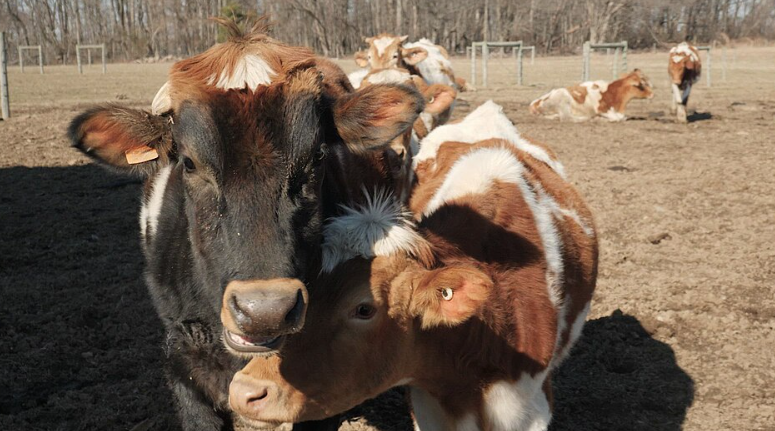
IMAGE: Source 20220209-FPAC-RockHillDairy002 Author USDAgov CC0