
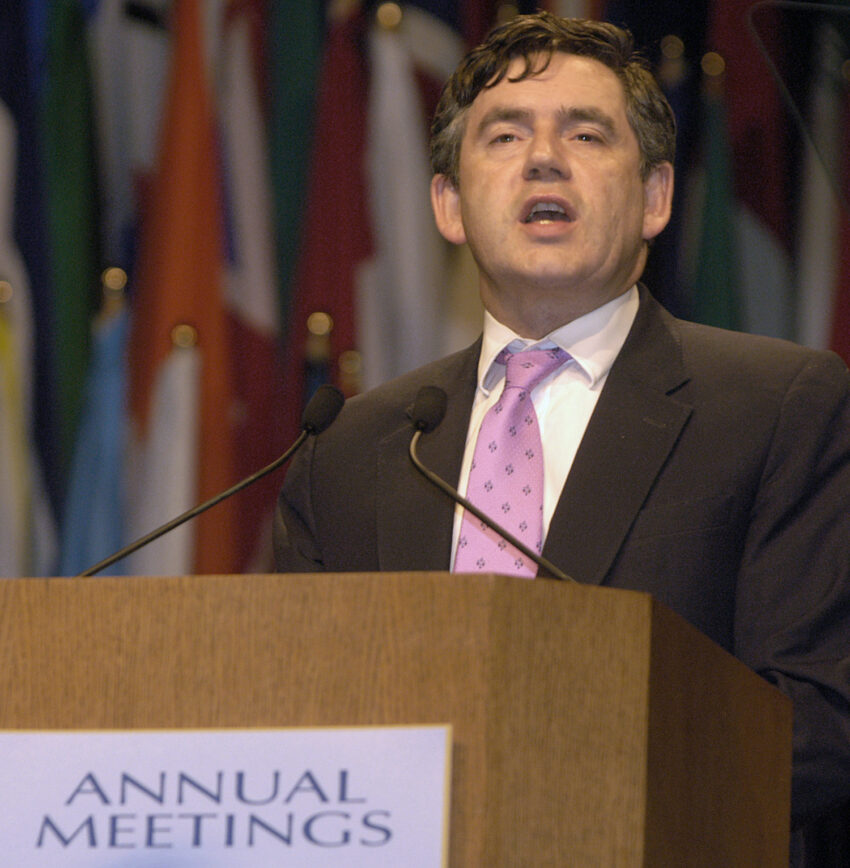
The chancellor’s ninth Budget doubled the residential stamp duty threshold, introduced £200 council tax help for eligible pensioner households and adjusted several taxes and duties.
Gordon Brown delivered his ninth Budget as Chancellor of the Exchequer on March 16, 2005, setting out tax, benefit and spending measures weeks before a general election. The package included a higher stamp duty threshold for home purchases, a one-off council tax payment for many pensioner households and several changes to duties and allowances.
The Budget was presented to the House of Commons as Britain approached what became the May 5, 2005 general election. Brown began speaking at 12:30 p.m. and finished shortly before opposition leader Michael Howard responded at 1:22 p.m., making the statement roughly 50 minutes long.
Stamp Duty Threshold Doubled
One of the most prominent changes was a doubling of the zero-rate threshold for residential stamp duty land tax. The threshold rose from £60,000 to £120,000 for qualifying residential property transactions taking effect after March 16.
HM Treasury estimated that the change would exempt an additional 300,000 home buyers from stamp duty each year. The government said more than half of first-time buyers and 47 percent of all residential buyers would no longer pay the tax under the new threshold.
The measure was designed to respond to a housing market in which prices had risen sharply while the £60,000 threshold remained unchanged for years. Even so, the change did not eliminate stamp duty for many buyers in higher-priced areas, including London and parts of southeast England.
Pensioners Receive Council Tax Help
Brown also announced a one-off payment for pensioner households facing council tax bills. Council-tax-paying households with someone aged 65 or older were to receive £200 toward the cost of council tax.
That announcement replaced a smaller £50 payment that had been announced in the December 2004 pre-Budget report for households with someone over 70. The Budget report also confirmed a £200 winter fuel payment for pensioners in 2005, with £300 for those aged 80 or older.
The original draft treated the £50 payment and the £200 council tax payment as separate new Budget benefits. They were not. The £200 payment was the enhanced measure announced in the March Budget for eligible council-tax-paying pensioner households.
Income Tax and Inheritance Tax
The personal income tax allowance for people under 65 increased from £4,745 in 2004-05 to £4,895 in 2005-06 through statutory indexation. Brown did not announce a cut in the basic or higher income tax rates.
The inheritance tax threshold was increased to £275,000 for 2005-06. The government also set out planned increases to £285,000 in 2006-07 and £300,000 in 2007-08.
Capital gains tax was not simply frozen across the board. The annual exempt amount was indexed with prices and increased to £8,500, while gains on a principal private residence remained exempt.
Alcohol, Tobacco and Fuel Duties
The Budget froze duties on spirits, cider and sparkling wine. Beer and still wine duties rose with inflation from midnight on March 20, adding about 1 penny to a pint of beer and 4 pence to a standard 75-centiliter bottle of wine.
Tobacco duties increased with inflation from 6 p.m. on Budget day. The change added 7 pence to the price of a packet of cigarettes.
Brown also delayed the inflation-based increase in the main road fuel duties until September 1, 2005 because of volatility in oil prices. The Budget therefore postponed, rather than permanently canceled, the planned rise.
Support for Families and Work
The Budget continued a commitment to increase the child element of the Child Tax Credit at least in line with average earnings through 2007-08. From April 2005, the child element was set at £1,690 a year, following an announcement in the 2004 pre-Budget report.
Some contemporary summaries described family support as rising to £63 for one child and £111 for two children. Those figures combined weekly Child Tax Credit and Child Benefit amounts in particular examples and should not be presented as the Child Tax Credit rate itself.
Brown also backed further expansion of employment support through the New Deal and measures aimed at improving skills. The Budget included changes intended to simplify tax administration for small businesses and support research, science and innovation.
On maternity leave, the government did not immediately create a full year of paid leave in this Budget. Its ten-year childcare strategy set an aim of one year of paid maternity leave by 2010, while proposals published in February 2005 included extending statutory maternity pay to 39 weeks.
A Pre-Election Budget Focused on Stability
The Treasury described the Budget as a plan to maintain macroeconomic stability while investing in education, skills, families and public services. It forecast continued economic growth and said the government was meeting its fiscal rules, although those judgments were debated by opposition politicians and independent analysts.
Brown also announced free local bus travel in England for people over 60 and disabled people from April 2006. Other measures included tax-system changes, anti-avoidance provisions and programs intended to reduce administrative burdens on businesses.
The Budget was politically significant because it was delivered only weeks before the 2005 general election was formally called. Parliament was dissolved in April, and voters went to the polls on May 5.
Brown’s package therefore combined immediate household measures with longer-term policy commitments. The clearest direct changes included the £120,000 stamp duty threshold, the £200 council tax payment for eligible pensioner households, higher inheritance tax thresholds and adjustments to alcohol, tobacco and fuel duties.
IMAGE: United Kingdom Chancellor of the Exchequer Gordon Brown at IMF Headquarters, Washington, DC.. Photo: International Monetary Fund / Wikimedia, taken 2002-09-29, Public domain