
Updated recommendations from the American College of Obstetricians and Gynecologists explain how hormone therapy, nonhormonal medications and behavioral treatments can relieve hot flashes, sleep problems and mood symptoms.
The American College of Obstetricians and Gynecologists (ACOG) released new menopause treatment guidelines on October 15, 2026, recommending hormone therapy for many women experiencing hot flashes, night sweats and related sleep disturbances. The recommendations also identify nonhormonal medications and behavioral treatments for women who cannot or prefer not to use hormones.
The guidance replaces recommendations published in 2014 and reflects more than a decade of additional research. It addresses symptoms that can interfere with sleep, employment, relationships and everyday activities during perimenopause and menopause.
Understanding Menopause Symptoms
Menopause is generally diagnosed after 12 consecutive months without a menstrual period, when no other medical explanation is present. It typically occurs between ages 45 and 55, with the average age in the United States around 51.
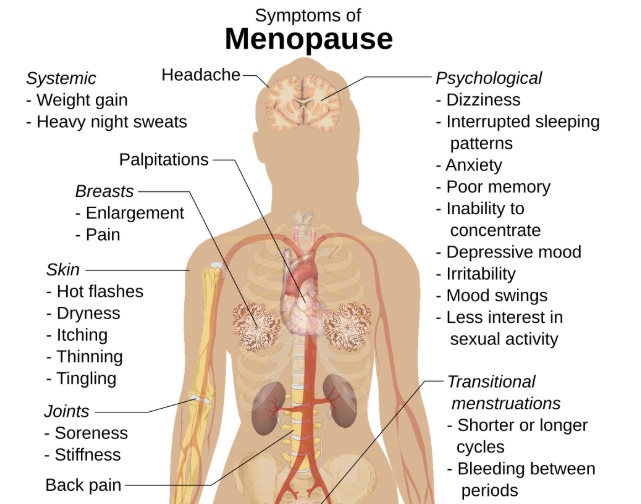
Perimenopause begins before menopause, when hormone levels fluctuate and menstrual cycles often become irregular. During this transition, women can experience hot flashes, night sweats, interrupted sleep, mood changes and difficulty concentrating.
Hot flashes, also called vasomotor symptoms, involve sudden sensations of heat that may cause sweating and skin flushing. They can occur during the day or night and may continue for several years.
Sleep disturbances are another common problem, particularly when night sweats repeatedly interrupt rest. Some women also experience anxiety or depressive symptoms, although these problems can have causes unrelated to menopause.
The new recommendations recognize that symptom severity varies considerably. Some women need little treatment, while others experience persistent symptoms that significantly affect their quality of life.
Hormone Therapy Recommended for Many Women
ACOG recommends systemic menopausal hormone therapy for hot flashes and night sweats in patients without medical conditions that make the treatment unsuitable. The organization also recommends it for sleep disturbances caused by vasomotor symptoms.
Systemic hormone therapy delivers medication throughout the body through treatments such as tablets, skin patches, gels or sprays. Estrogen is the main hormone used to reduce hot flashes and night sweats.
Women who have a uterus generally need a progestogen alongside systemic estrogen to protect the uterine lining. Estrogen alone may be appropriate for women who have undergone a hysterectomy.
The guidelines recommend starting hormone therapy before age 60 or within 10 years after natural menopause begins when treatment is appropriate. These timing recommendations reflect evidence that the balance of benefits and risks is generally more favorable for women who begin treatment earlier.
Hormone therapy is not appropriate for everyone. A history of certain cancers, blood clots, stroke or other serious medical conditions can affect treatment decisions.
Doctors are encouraged to evaluate individual risk factors, including cardiovascular health, breast cancer risk and previous blood clots. Treatment should reflect each woman’s medical history, symptoms and preferences.
FDA Changes Hormone Therapy Warnings
The new guidelines follow an important change in federal hormone therapy labeling.
In November 2025, the Food and Drug Administration announced plans to revise prominent safety warnings on menopausal hormone products. In February 2026, the agency approved updated labeling for the first six products.
The changes removed statements about cardiovascular disease, breast cancer and probable dementia from the products’ boxed warnings. However, information about cardiovascular and breast cancer risks remains elsewhere in prescribing information, and important safety warnings still apply.
Concerns about hormone therapy grew after findings from the Women’s Health Initiative in 2002. A major trial involving combined estrogen and progestin was stopped early after researchers identified increased risks of several serious health outcomes.
Later analyses showed that risks can differ depending on age, time since menopause, hormone formulation and treatment method. Those findings contributed to a more individualized approach to prescribing hormone therapy.
The FDA’s labeling changes do not mean hormone therapy is risk-free. Patients still need to discuss potential benefits and harms with their healthcare professionals before beginning treatment.
Nonhormonal Medicines Offer Alternatives
The ACOG guidelines also recommend several nonhormonal treatments for women who cannot or do not want to take hormone therapy.
One option is fezolinetant, sold under the brand name Veozah. It works by blocking neurokinin-3 receptors involved in the brain’s temperature regulation system, helping reduce hot flashes and night sweats.
The FDA requires a boxed warning for fezolinetant because the medicine can cause rare but serious liver injury. Patients need liver function testing before treatment and regularly afterward.
Another medication is elinzanetant, marketed as Lynkuet, which received FDA approval in October 2025. It blocks neurokinin-1 and neurokinin-3 receptors and is approved for moderate to severe menopausal hot flashes.
Elinzanetant can cause sleepiness, dizziness and fatigue, and it also requires liver function monitoring. Doctors must consider other medical conditions and medicines before prescribing it.
Certain antidepressants, including selective serotonin reuptake inhibitors and serotonin-norepinephrine reuptake inhibitors, can also reduce hot flashes. These medicines may be particularly useful for patients experiencing depressive symptoms.
ACOG additionally suggests gabapentin when other recommended nonhormonal medications have not worked or have caused unacceptable side effects.
Behavioral Treatments Can Help
The updated guidance recognizes that medication is not the only way to manage menopause symptoms.
Cognitive behavioral therapy can help women manage hot flashes, sleep disturbances and mood symptoms. It focuses on changing patterns of thinking and behavior that contribute to distress and difficulty sleeping.
Mindfulness-based practices and physical exercise may improve menopause-related sleep and mood problems. Clinical hypnosis and acupuncture are also listed as possible approaches for certain symptoms.
However, the strength of the supporting evidence differs among these treatments. Evidence for acupuncture is less certain, and studies have produced mixed results.
These approaches can be used independently in some situations, although they are often most useful alongside medical treatment. The guidelines do not establish herbal supplements as proven replacements for evidence-based therapies.
Treatment Decisions Should Be Individualized
The new recommendations emphasize cooperation between patients and healthcare professionals when choosing menopause treatment. Age, medical history, symptom severity and personal preferences all influence the most appropriate approach.
The guidelines also distinguish between treating hot flashes and treating depression. Hormone therapy may relieve sleep problems caused by night sweats, but women with major depressive disorder should receive appropriate mental health treatment.
Low-dose vaginal estrogen remains an option for vaginal dryness and related genitourinary symptoms. Unlike systemic hormone therapy, it primarily acts locally and is not intended to treat hot flashes.
The guidance was published in the November 2026 issue of Obstetrics & Gynecology following its October release. It gives clinicians an updated framework for discussing treatments that may improve daily comfort and functioning.
For women experiencing persistent symptoms, the central recommendation is to seek an individualized assessment rather than assume discomfort must simply be endured. Available treatments differ in effectiveness, risks and suitability, making informed medical decisions especially important.
IMAGE: Symptoms of menopause Source Own work Author Mikael Häggström This file is made available under the Creative Commons CC0 1.0 Universal Public Domain Dedication.