
A national report finds that 63 million Americans provide care for loved ones, often while facing emotional stress, financial hardship and limited support. In Oakland, students are using photography to recognize the people who help them through difficult times.
Nearly 63 million American adults are providing care for relatives, friends and others with serious illnesses or disabilities, placing growing pressure on families across the United States. New research shows that many caregivers face emotional exhaustion, financial hardship and declining health while helping loved ones manage daily life.
The scale of the problem has become increasingly clear. A 2025 report from AARP and the National Alliance for Caregiving found that nearly one in four American adults provided care during the previous year. The number increased by 45% from 2015, when an estimated 43.5 million people were caregivers.
The growing demands extend beyond families caring for older adults. Parents supporting children with mental health conditions, relatives helping people with disabilities and friends offering emotional support all contribute to a broader network of care.
Nearly One in Four Americans Provides Care
Family caregiving often begins without a formal decision. Someone starts driving a parent to medical appointments, helping a spouse manage medications or assisting a child with emotional difficulties.
Over time, these responsibilities can become demanding and difficult to balance with work, school and other family obligations.
The 2025 national study found that approximately 59 million adults cared for another adult with a medical condition or disability. Another four million primarily cared for children with serious health needs.
Nearly one-quarter of caregivers reported spending at least 40 hours each week providing assistance. About one-third had been performing caregiving responsibilities for five years or longer.
The responsibilities can involve everything from preparing meals and paying bills to administering medications, helping with bathing and coordinating medical treatment.
Many people perform these duties without professional training, compensation or sufficient support.
The report also identified the growing demands on people caring for multiple generations. Approximately 29% of caregivers were supporting an adult while raising children younger than 18.
These individuals, often described as the sandwich generation, may face competing responsibilities that leave little time for their own health.
Emotional Stress and Isolation Affect Caregivers
The emotional consequences of caregiving can be substantial.
According to AARP’s research, about two-thirds of family caregivers reported moderate or high emotional stress. Approximately one in four experienced feelings of isolation, while one in five reported poor health.
Caregiving can involve watching a loved one’s condition worsen, making difficult medical decisions or providing constant support during unpredictable situations.
For some families, the pressure is increased by financial uncertainty or a shortage of available professional care.
The effects are not limited to older caregivers. Younger adults may struggle to establish careers or maintain relationships while meeting the needs of parents, children or other relatives.
Parents caring for children with mental health conditions can face additional challenges because symptoms and support needs may change unexpectedly.
Experts emphasize that caregiver stress is not evidence of a lack of commitment. Instead, it can reflect the demands of providing continued assistance without adequate opportunities for rest.
Oakland Students Photograph the People Who Support Them
In Oakland, California, a photography project has offered a different perspective on caregiving by focusing on the people who support teenagers during emotional difficulties.
The project brought together high school students through a collaboration involving CatchLight’s Mental Health Visual Desk and Youthbeat, a youth media organization.
Over three months, participants created photo essays exploring relationships with parents, friends, teachers and others who helped them manage stress and mental health challenges.
The workshops encouraged students to use photographs to express experiences that could be difficult to describe in ordinary conversation.
KQED published the students’ work, including personal stories about friendship, family relationships and the importance of having someone available during difficult periods.
Evelyn Sanchez De Leon, a student at Oakland High School, chose her best friend Sharon as the subject of her project.
Sanchez De Leon described how Sharon supported her through periods of uncertainty and helped her rebuild confidence.
Her photographs included familiar objects and places that represented friendship, comfort and positive memories. Rather than relying entirely on portraits, she used everyday surroundings to communicate the importance of emotional support.
Another participant, Adonis Paul Anthony, a senior at Coliseum College Prep Academy, focused on his father.
Anthony described his father as an important source of encouragement while he navigated academic pressure, decisions about his future and personal challenges.
He also discussed the difficulty some young people experience when families do not openly address mental health.
The student projects emphasized that support can take different forms. A caregiver may offer practical assistance, provide reassurance or simply remain available when someone needs to talk.
New Hampshire Parent Finds Support Through Other Caregivers
For Jessica Renda, a parent in New Hampshire, recognizing her own needs became an important part of caring for her daughter.
Renda supports a child with mental and behavioral health challenges. During a difficult holiday season, she realized that caregiving responsibilities had displaced activities that helped her maintain her own well-being.
She had stopped making time for exercise and other activities she enjoyed.
In reporting published by The Associated Press in October 2026, Renda described how the experience changed her approach to caregiving.
She began emphasizing the importance of personal boundaries, rest and maintaining connections with other people.
Renda now helps lead a support group for caregivers, encouraging participants to recognize their own needs rather than treating personal well-being as unimportant.
She explains that self-care does not have to involve expensive activities or major lifestyle changes. Taking a brief walk, talking with a friend or arranging time away from caregiving duties can provide meaningful relief.
The challenge, however, is that many caregivers lack access to someone who can temporarily assume their responsibilities.
Caregiving Creates Financial Pressure on Families
The effects of unpaid caregiving also extend into household finances and the national economy.
AARP’s 2025 study found that approximately 47% of caregivers experienced at least one significant financial consequence related to their responsibilities.
These included taking on debt, reducing savings, struggling to afford basic necessities or making employment changes.
Many caregivers continued working while providing assistance. Some adjusted their schedules, reduced working hours or missed opportunities for advancement because of family responsibilities.
AARP has estimated that caregivers spend approximately $7,200 annually out of pocket on expenses related to caring for loved ones. Individual costs vary considerably depending on medical needs and family circumstances.
The economic value of their unpaid work is enormous.
In March 2026, the AARP Public Policy Institute estimated that family caregivers provided 49.5 billion hours of care to adults during 2024.
Researchers valued that work at approximately $1.01 trillion, based on the estimated cost of replacing those services with paid assistance.
The figure is an estimate of the economic value of caregiving rather than money caregivers received or savings directly measured in government budgets.
New Programs Aim to Prevent Caregiver Burnout
Organizations and healthcare providers are developing programs to support people facing these responsibilities.
Dartmouth College and Dartmouth Health announced plans for a Family Caregiver Institute designed to expand education, services and practical assistance.
The initiative is intended to connect families with resources that can make caregiving more manageable, including information about home health services.
Federal programs also provide assistance.
The National Family Caregiver Support Program, administered through the Administration for Community Living, helps eligible caregivers obtain information, counseling, training and temporary relief from their responsibilities.
This temporary assistance, known as respite care, allows another person or service to provide care while the primary caregiver rests or attends to personal needs.
Access to such services varies by community, eligibility requirements and available funding.
Jennifer Rabalais, a researcher at the University of New Hampshire, has also emphasized the importance of helping people recognize themselves as caregivers.
Someone who regularly helps an older relative with shopping, household responsibilities or medical appointments may not use that description.
Recognizing the role can make it easier to seek support before responsibilities become overwhelming.
Supporting Caregivers Requires More Than Self-Care
Experts recommend that caregivers maintain social connections, protect sleep and physical activity when possible, and ask family members or community organizations for assistance.
However, individual coping strategies cannot replace affordable services, workplace flexibility and adequate access to professional care.
The financial and emotional demands can become especially difficult for families with limited income or little access to paid assistance.
The Oakland photography project offers another reminder that caregiving is not confined to hospitals, nursing homes or formal medical settings.
A teenager’s trusted friend, an involved parent or a supportive teacher may provide emotional assistance that shapes someone’s ability to manage difficult experiences.
At the same time, the national caregiving figures demonstrate how much Americans depend on relatives and friends to meet essential health needs.
With 63 million adults providing care and many reporting significant stress, expanding access to respite services, caregiver training and workplace support remains an important challenge for families and healthcare organizations across the country.
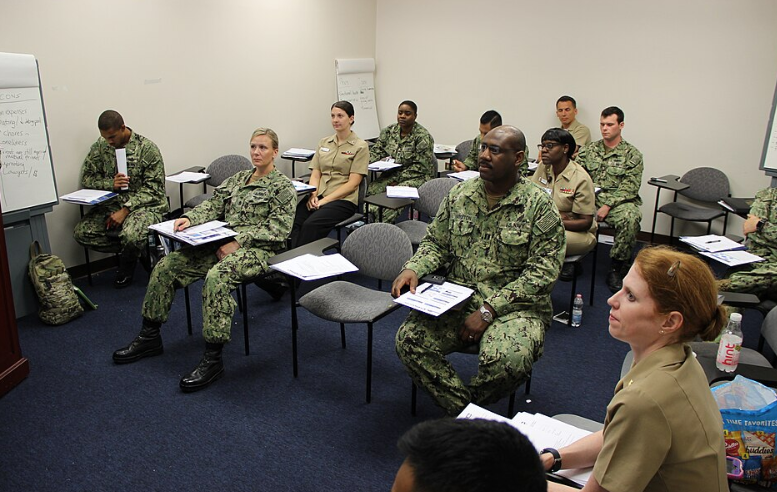
IMAGE: Staff from throughout U.S. Naval Hospital Naples, Italy participated in a three and a half day train-the-trainer Caregiver Occupational Stress Control (CgOSC)course. U.S. Navy CC0