
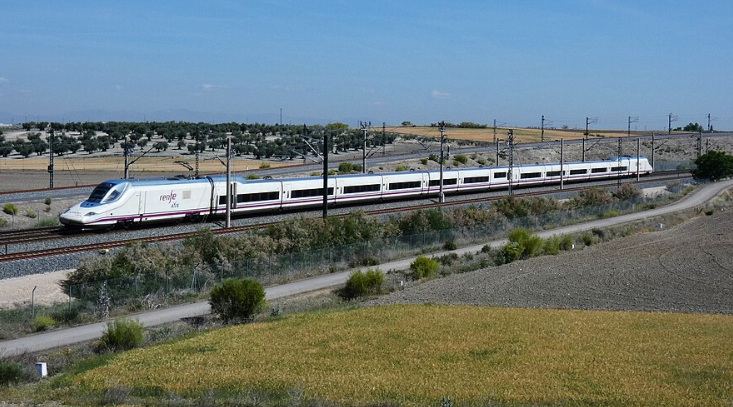
A Renfe train struck a stationary Iryo train on the Madrid-Seville line after a signaling-system failure. Spanish authorities are investigating why the moving train was authorized to continue.
At least 68 people were killed and dozens more injured Wednesday, October 28, 2026, when two high-speed passenger trains collided near Urda in Spain’s Toledo province. The disaster occurred after a Renfe train struck the rear of a stationary Iryo train on the heavily traveled Madrid-Seville railway line.
The collision happened at approximately 8:53 a.m. local time, roughly 140 kilometers south of Madrid. Several passenger cars derailed, including two that plunged down an embankment, leaving emergency responders facing extensive wreckage and numerous injured passengers.
Regional authorities confirmed at least 68 deaths, while reports of the number of injured varied as hospitals continued assessing patients. Officials warned that the death toll could rise as rescue teams searched damaged railcars and investigators worked to identify victims.
Spain’s Transport Minister Óscar Puente said a failure in the railway’s safety system was followed by an authorization that allowed one train to continue despite another remaining stopped ahead. The circumstances have raised serious questions about how railway controllers managed traffic after the automated system stopped functioning.
How the Deadly Train Collision Happened
The crash occurred on the Madrid-Seville high-speed railway near Urda station, between the municipalities of Mora, Orgaz and Urda. Spain’s railway infrastructure manager, Adif, confirmed that the collision took place near kilometer marker 118.
The two trains were operating services from Madrid toward Seville when an equipment failure disrupted traffic. The stationary train was operated by private railway company Iryo, while the train approaching from behind belonged to Spain’s national operator, Renfe.
According to information released by the Transport Ministry, a problem involving the LZB railway safety system occurred at approximately 8:30 a.m. The failure interrupted communication between railway infrastructure and trains, bringing several services in the area to a stop.
The LZB system is designed to help control train movements and maintain safe distances on the high-speed line. When it fails, railway employees must use alternative operating procedures intended to prevent trains from entering occupied sections of track.
Officials said at least six trains were affected by the disruption. Shortly afterward, railway controllers authorized the Renfe service to resume its journey, even though the Iryo train remained stationary farther along the line.
At approximately 8:36 a.m., the Renfe train was cleared to continue. Seventeen minutes later, it struck the stopped Iryo train, causing severe damage to both vehicles and forcing multiple passenger cars off the tracks.
Transport Minister Questions Decision to Resume Service
Puente described the decision to allow the Renfe train to continue as inexplicable and apparently contrary to established safety procedures. He said the train should not have resumed normal operation while another train remained stopped ahead.
The minister explained that a red signal had been activated because of the technical failure. Under the procedures described by officials, trains should have operated under strict restrictions until controllers could establish that the track ahead was clear.
Instead, the Renfe service continued for approximately 25 kilometers before the collision. Investigators are examining why authorization was issued and whether the train was permitted to travel at a speed inappropriate for the operating conditions.
Puente indicated that the investigation was concentrating on decisions made at the railway control center rather than immediately attributing responsibility to either train driver. Authorities have not yet issued a final determination of the cause or identified anyone as criminally responsible.
The preliminary findings point to a combination of a technical disruption and decisions made while normal safety equipment was unavailable. Investigators must still determine which safeguards failed and whether established emergency procedures were followed.
Hundreds of Passengers Were Aboard
More than 500 passengers were traveling aboard the two trains, according to figures released by Spanish authorities. The Iryo train carried approximately 147 passengers, while the Renfe service carried several hundred more.
The collision caused extensive structural damage, particularly to passenger cars that left the railway. Emergency photographs showed overturned carriages, twisted metal and debris scattered along the track and surrounding embankment.
Survivors described a sudden impact that threw passengers against seats and other parts of the train. Some reported that luggage and personal belongings were hurled through the carriages as the vehicles shook and derailed.
Emergency workers began evacuating survivors while medical personnel assessed injuries near the crash site. People requiring hospital treatment were transported to medical facilities throughout Castilla-La Mancha and neighboring areas.
The regional government established emergency coordination arrangements to support rescue operations. Firefighters, Civil Guard officers, medical teams and civil protection personnel worked together to reach passengers and search severely damaged sections of the trains.
Some passengers were able to leave the wreckage with assistance, while others required more complicated rescue operations. The condition of several injured people remained serious as authorities continued updating casualty figures.
Rescue Teams Search Wreckage
The scale of the disaster prompted a major emergency response involving agencies from several Spanish regions. Specialized rescue equipment and medical resources were dispatched to the area as officials attempted to manage the large number of casualties.
Emergency teams established treatment areas near the tracks, where medical personnel assessed survivors before arranging transportation to hospitals. Regional authorities also organized assistance for passengers who were not seriously injured but needed support and information.
The search continued as officials worked to account for everyone aboard the trains. Identification procedures were particularly important because some victims had suffered severe injuries and families were waiting for confirmation about missing relatives.
Spanish Prime Minister Pedro Sánchez canceled scheduled activities following news of the collision. Government officials expressed condolences to victims’ families and pledged to investigate the circumstances surrounding the disaster.
The accident also prompted messages of sympathy from political leaders and public institutions across Spain. Railway employees and emergency personnel faced the additional challenge of maintaining rescue operations while the surrounding transport network remained disrupted.
High-Speed Rail Services Suspended
Adif suspended high-speed rail traffic between Madrid and Andalusia following the collision. The disruption affected travel to major destinations including Seville, Córdoba and other cities connected to the southern high-speed network.
Rail operators canceled or modified services as investigators and emergency workers secured the crash location. Passengers with existing reservations were advised to contact their train companies rather than travel to affected stations without checking updated schedules.
Renfe arranged alternative transportation involving regional trains and buses for some routes. Airlines also announced additional capacity between Madrid and southern Spanish destinations to accommodate travelers affected by the railway shutdown.
Adif established assistance points at major railway stations, including Madrid-Puerta de Atocha, Sevilla-Santa Justa and Córdoba. These locations provided information and support to passengers and relatives seeking news about the accident.
Railway authorities could not immediately confirm when the damaged section would reopen. Restoring service will require investigators to examine the wreckage and infrastructure before damaged equipment can be repaired or replaced.
Spain Faces Another Major Rail Disaster
The collision comes just nine months after another deadly high-speed railway accident near Adamuz in Córdoba province. On January 18, 2026, an Iryo train derailed and collided with an approaching Renfe service, killing 46 people.
The earlier disaster prompted investigations into the condition of railway infrastructure and the circumstances surrounding the derailment. Preliminary findings suggested that a rail fracture may have existed before the January accident.
Although both crashes involved high-speed trains operating on the Madrid-Andalusia corridor, authorities have not established that they shared the same cause. The October collision appears to involve different circumstances, particularly decisions made after a signaling-system failure.
Spain operates one of Europe’s largest high-speed railway networks, connecting major population centers through thousands of kilometers of dedicated track. Its services are widely used for domestic travel and compete with airlines on several important routes.
The two major accidents in 2026 have intensified scrutiny of railway maintenance, communications systems and emergency operating procedures. Officials now face questions about whether existing safety requirements provide sufficient protection when automated systems become unavailable.
Previous Spanish railway disasters also provide historical context for the latest tragedy. In July 2013, a train derailed near Santiago de Compostela, killing 80 people in one of the country’s deadliest modern railway accidents.
Investigation Focuses on Safety-System Failure
Authorities are examining electronic records, railway communications and operational decisions made before the October 28 collision. Investigators will also consider the actions of control-center employees and the procedures used when the LZB system stopped operating normally.
A central question is why the moving train was allowed to continue while another service remained stationary on the same track. Officials must establish whether railway personnel had accurate information about both trains’ positions and whether warnings were communicated properly.
The investigation may also examine the condition of signaling equipment and the effectiveness of procedures used during temporary system failures. Any determination of responsibility will depend on technical evidence and the findings of the relevant investigative authorities.
For affected families, the immediate priorities remain identifying victims, providing medical treatment and obtaining reliable information. The railway network’s recovery will depend on the completion of emergency operations and the safety assessments required before services resume.
Spain’s Transport Ministry has acknowledged serious concerns about the authorization that preceded the crash, but the investigation has not reached a final finding. The collision has left at least 68 people dead and raised urgent questions about how high-speed trains are protected when their normal safety systems fail.
IMAGE: El tren de alta velocidad, AVE Madrid-Sevilla Source AVE Author Miguel Angel Masegosa Martínez CC2