
Independent directors from both companies are examining a possible combination that could unite electric vehicles, rockets, satellite communications and artificial intelligence under one corporate structure.
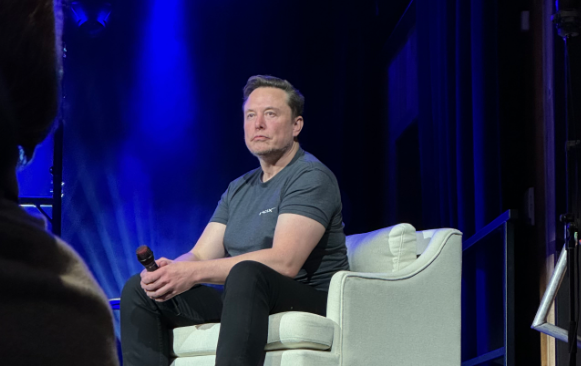
Elon Musk confirmed Tuesday, October 20, 2026, that Tesla and SpaceX have formed independent board committees to explore a possible merger. Speaking during SpaceX’s third-quarter earnings call, Musk expressed support for combining the companies but cautioned that no agreement had been reached.
The announcement marks a significant development in discussions about bringing two of Musk’s largest businesses together. A merger could create a technology company with a combined market value exceeding $3 trillion, although any transaction would require extensive negotiations and shareholder approval.
Musk described the combination as a good idea because of opportunities to work together on artificial intelligence, semiconductor design, robotics and satellite communications. However, he acknowledged that his ownership interests in both companies prevent him from participating directly in the independent committees’ discussions.
Tesla and SpaceX Establish Independent Merger Committees
The boards created their special committees in response to shareholder interest in a possible combination. The groups consist of independent directors responsible for examining whether a transaction would benefit their respective companies and investors.
During the earnings call, Musk explained that he could not participate in the negotiations because he has substantial financial interests on both sides of a potential deal.
The arrangement is intended to reduce conflicts of interest and allow directors to evaluate the proposal without direct involvement from the executive who leads both businesses. Such committees can review financial valuations, potential conflicts and the interests of shareholders before recommending whether negotiations should continue.
TechCrunch reported that Tesla’s independent directors include board chair Robyn Denholm, former Tesla technology chief JB Straubel, Ira Ehrenpreis, Joe Gebbia, Jack Hartung, James Murdoch and Kathleen Wilson-Thompson.
SpaceX has its own group of independent directors, including Ehrenpreis, Randy Glein, Donald Harrison, Steve Jurvetson, Luke Nosek and Roelof Botha. The companies have not publicly identified which directors were selected to serve on the new merger committees.
The formation of committees does not mean a merger has been approved. Neither company has announced transaction terms, an exchange ratio or a timetable for reaching an agreement.
Musk Sees Advantages in Combining AI and Engineering Operations
Musk’s support for a potential merger reflects increasing cooperation between Tesla and SpaceX across several technologies.
Tesla develops electric vehicles, battery systems, autonomous driving software and humanoid robots. SpaceX operates rocket launch systems and the Starlink satellite network while expanding its artificial intelligence and computing operations.
The companies could potentially combine expertise in chip design, advanced manufacturing, software development and computing infrastructure. Musk has argued that closer cooperation would help them develop increasingly capable AI systems.
The latest Tesla Roadster demonstrates an existing connection between the businesses. Unveiled October 15, the redesigned electric sports car incorporates rocket-inspired propulsion technology developed with SpaceX.
Tesla demonstrated unconventional vehicle movements involving its new thruster technology, although the Roadster is not expected to enter production until 2028.
The project shows how engineering expertise from the rocket company could influence Tesla’s automotive development. A corporate combination might make similar collaborations easier to coordinate, but the financial benefits have not been established.
The companies would also face substantial operational differences. Tesla manufactures consumer and industrial products, while SpaceX operates launch services, communications infrastructure and other aerospace businesses.
Bringing those activities together could increase management complexity and create new questions about investment priorities.
SpaceX Earnings Strengthen the Merger Discussion
The announcement came alongside SpaceX’s third-quarter financial results, which showed rapid growth in its satellite communications and artificial intelligence businesses.
SpaceX reported quarterly revenue of approximately $14.58 billion, an increase of 161% from the corresponding period a year earlier. The company also reported a profit of approximately $4.4 billion.
Artificial intelligence operations generated roughly $7.56 billion in revenue, reflecting the company’s expanding computing infrastructure and related services.
Starlink continued to grow, reaching approximately 13.6 million subscribers. The satellite internet business remains an important source of revenue and profit as SpaceX invests in more ambitious projects.
SpaceX became publicly traded earlier in 2026, giving investors a clearer view of its financial results and making a possible merger with Tesla more practical to evaluate through publicly traded shares.
The two companies have substantial market valuations. SpaceX was valued at more than $2 trillion around the announcement, while Tesla’s market capitalization approached $1.5 trillion.
Those figures indicate the potential scale of a transaction, but they do not represent an agreed merger price. Share prices and company valuations can change before negotiations produce a formal proposal.
SpaceX shares rose sharply in after-hours trading following the earnings announcement, while Tesla shares also gained. The market response reflected investor interest in both SpaceX’s financial performance and the possibility of a corporate combination.
Shareholder Approval Presents a Major Hurdle
A merger would require more than agreement among the boards. Musk indicated that approval from at least 50% of Tesla’s shareholders would be necessary, describing the requirement as a substantial hurdle.
Tesla’s broad shareholder base includes institutions, individual investors and employees. Their interests may differ over the potential benefits and risks of combining the two companies.
Directors would need to consider how ownership in a combined company would be divided. An important question is whether Tesla shareholders would receive a sufficient interest in SpaceX to justify giving up their existing ownership structure.
The committees may also need independent financial advice to assess valuations, financing arrangements and alternative transaction structures.
Potential advantages include closer cooperation on research and development, shared technology resources and opportunities to reduce duplicated costs.
The risks could include shareholder dilution, competing capital demands and greater exposure to businesses with very different operating models.
Regulators would also have to examine any transaction under applicable laws. SpaceX’s government contracts, satellite operations and national security-related activities could introduce additional review requirements.
No formal merger filing or regulatory approval has been announced.
Previous Musk Business Deals Provide Context
A combination of Tesla and SpaceX would not be Musk’s first attempt to consolidate companies operating in related technology fields.
Tesla acquired SolarCity in 2016, bringing solar energy operations into its existing automotive and battery businesses. That transaction faced criticism because Musk had significant interests in both companies.
More recently, Musk combined his social media company X with artificial intelligence developer xAI. SpaceX subsequently acquired xAI in 2026, expanding the rocket company’s involvement in advanced computing and AI development.
Those transactions created closer financial and operational connections among businesses Musk controls.
A Tesla-SpaceX merger would be much larger and would bring together two publicly traded companies with different shareholder groups and financial obligations.
The involvement of independent directors is particularly important because Musk holds substantial influence over both companies. Their responsibility is to evaluate whether a proposed combination serves shareholders rather than simply advancing management’s preferred strategy.
The Boring Company’s Expansion Is a Separate Development
The merger discussions come as another Musk-founded business, The Boring Company, expands its tunnel construction operations.
In September, The Boring Company raised $3 billion in financing at a valuation of $23 billion. The funding round included investment from the United Arab Emirates and other financial backers.
The company said the financing would support underground infrastructure projects in the UAE and expansion of its tunnel operations in Las Vegas, Nashville and Dubai.
The Boring Company has also experimented with specialized vehicles designed to transport materials through tunnels. These developments demonstrate its interest in applications beyond passenger transportation.
However, The Boring Company is a separate business and has not been identified as part of the proposed Tesla-SpaceX merger.
Its financing should not be confused with SpaceX’s financial results or valuation. The $3 billion funding round belonged to The Boring Company, not SpaceX.
What Happens Next in the Tesla-SpaceX Merger Review?
The immediate responsibility now rests with the independent committees examining the potential transaction.
Their review could include hiring outside advisers, comparing company valuations, studying financial risks and evaluating whether a merger would offer advantages over continued cooperation between separate companies.
If the committees eventually recommend proceeding, the boards would still need to negotiate detailed terms. Tesla shareholders and potentially other investors would then have opportunities to consider the proposal under applicable corporate requirements.
Musk has emphasized that the discussions remain preliminary. He has not announced a target completion date or committed either company to a transaction.
Tesla is also scheduled to report its third-quarter earnings on October 21, providing investors with another set of financial results to consider when evaluating the potential combination.
For now, Tesla and SpaceX remain separate publicly traded companies. Their independent directors are exploring whether closer integration would justify one of the largest corporate mergers ever proposed.
IMAGE: Source Own work Author Wcamp9 CC4