
October 10 marks World Mental Health Day, a global observance aimed at raising awareness about mental health issues and reducing the stigma that often surrounds them. This year’s campaign places particular emphasis on listening to people who have experienced mental health conditions and giving them a greater role in shaping healthcare services.
The 2026 theme, “Lived Experiences Heard: Real Voices, Real Change,” encourages governments, healthcare professionals and communities to recognize the value of personal experience. The World Health Organization (WHO) says people who have received mental health treatment or struggled to obtain care possess knowledge that can help improve services and policies.
Mental health is just as important as physical health, yet many people continue to hide their struggles because they fear judgment or misunderstanding. Anxiety, depression and other conditions can affect relationships, education, employment and everyday activities. Open conversations can help reduce these barriers and encourage people to seek support.
Mental well-being involves more than the absence of mental illness. It includes emotional stability, the ability to manage stress, healthy relationships and opportunities to participate in community life. Personal experiences, social environments and access to healthcare can all influence how people respond to challenges.
Recognizing emotions rather than suppressing them can be an important part of maintaining mental well-being. Supportive relationships and access to professional care can help people manage difficulties before they become more serious. However, mental health conditions cannot always be prevented or overcome through positive thinking alone.
Schools and colleges also play an important role in raising awareness. Educational programs can help students recognize emotional difficulties, understand mental health conditions and support classmates who may be struggling. Creating environments where young people feel comfortable discussing their concerns can make it easier to identify problems early.
Research published in August 2026 in the journal Psychological Medicine examined how traits associated with autism and attention-deficit/hyperactivity disorder (ADHD) relate to children’s emotional and social development. Researchers analyzed information from 9,619 students in Japan, drawing on surveys completed over several years.
The study found that autistic traits were associated with later emotional difficulties and problems involving peer relationships. ADHD traits were linked to emotional and behavioral difficulties, academic challenges and strained relationships with teachers and parents.
Researchers also found that mental health difficulties and social adjustment problems could influence one another over time. Children experiencing emotional challenges sometimes developed additional social problems, while difficulties at school or with classmates were associated with later mental health concerns.
The findings suggest that children with autism or ADHD traits may benefit from support that addresses their social surroundings as well as their individual needs. Even children who do not meet the criteria for a formal diagnosis may experience difficulties that deserve attention. The study identified relationships between these factors but did not establish that one directly caused another.
Beyond awareness and early intervention, World Mental Health Day 2026 is drawing attention to how mental health services are organized. Health leaders are increasingly supporting community-based treatment rather than relying heavily on large psychiatric institutions.
On October 9, the WHO released new guidance encouraging countries to reduce unnecessary long-term psychiatric hospitalization. The guidance recommends developing services that allow people to receive appropriate treatment while remaining connected to their families and communities.
Traditional psychiatric institutions can sometimes isolate patients from society and limit their independence. Concerns about poor treatment, involuntary confinement and violations of human rights have strengthened calls for alternatives that protect personal dignity and individual choice.
Community-based care can include mental health support in primary healthcare clinics, outpatient treatment, counseling, supported housing and assistance with employment or education. These services are intended to help people manage mental health conditions while participating in everyday life.
Moving away from institutional treatment requires careful planning. Hospitals cannot simply discharge patients without ensuring that adequate support is available. Governments must invest in trained healthcare workers, housing assistance, ongoing treatment and coordinated services that meet individual needs.
The scale of the challenge is considerable. WHO figures released for this year’s campaign show that only 9% of countries surveyed have fully transitioned from institution-based mental healthcare to community-based models. About 53% remain in the early stages of that process.
The organization also reported that approximately 49% of psychiatric hospital admissions recorded in its survey were involuntary. More than one in five hospital stays lasted longer than a year, demonstrating the continued reliance on institutional treatment in many healthcare systems.
Nigeria is one country facing significant challenges in expanding access to mental healthcare. Economic hardship, unemployment, insecurity and displacement have placed considerable psychological pressure on communities, while professional mental health services remain difficult to access in many areas.
The country has made legislative progress through its National Mental Health Act, which received presidential approval in January 2023. The law replaced outdated legislation and established stronger protections for people with mental health conditions. However, legal reforms alone cannot overcome shortages of trained professionals, treatment facilities and reliable funding.
Rural communities face particular obstacles because specialized mental health services are often concentrated in major cities. Transportation costs, financial pressures and cultural misconceptions can discourage people from obtaining care. Stigma may also prevent individuals and families from openly discussing mental illness.
Expanding community-based services could help address these problems by bringing treatment closer to where people live. Training general healthcare workers to recognize common mental health conditions would allow more patients to receive assistance without traveling to specialized hospitals.
The 2026 campaign also emphasizes that people with lived experience should participate directly in decisions about mental healthcare. Their involvement can help identify problems that professionals or policymakers might otherwise overlook, including disrespectful treatment, financial barriers and gaps in support.
Meaningful participation involves more than inviting people to share personal stories at awareness events. It includes opportunities to help design services, evaluate treatment programs and influence the policies that affect their lives.
World Mental Health Day continues to encourage public understanding and compassion, but this year’s message extends beyond awareness. Its central priorities are improving access to treatment, protecting individual rights and ensuring that people receiving mental healthcare have a voice in decisions about their future.
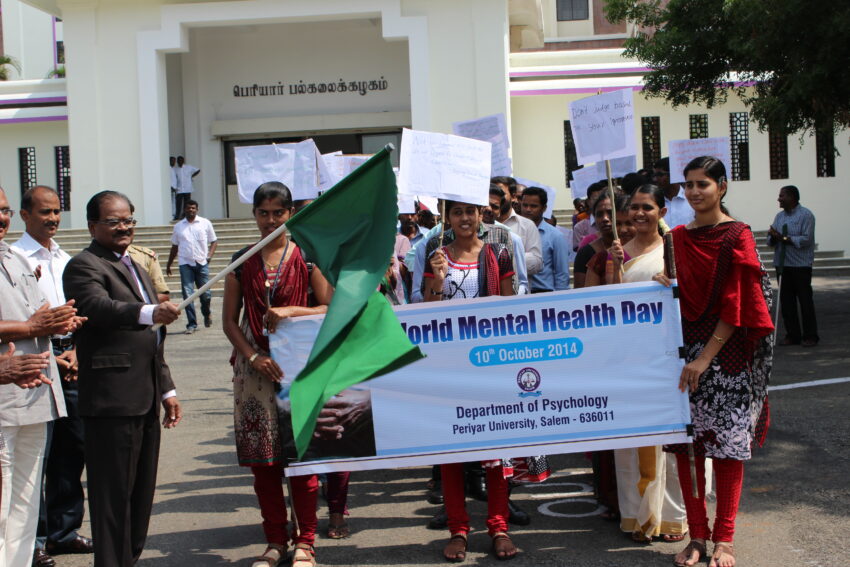
IMAGE: Vice Chancellor C Swaminathan flagging off the Mental Health awareness rally on October 10 2014.. Photo: Chinchu.c / Wikimedia, taken 2014-10-10, CC BY-SA 4.0