
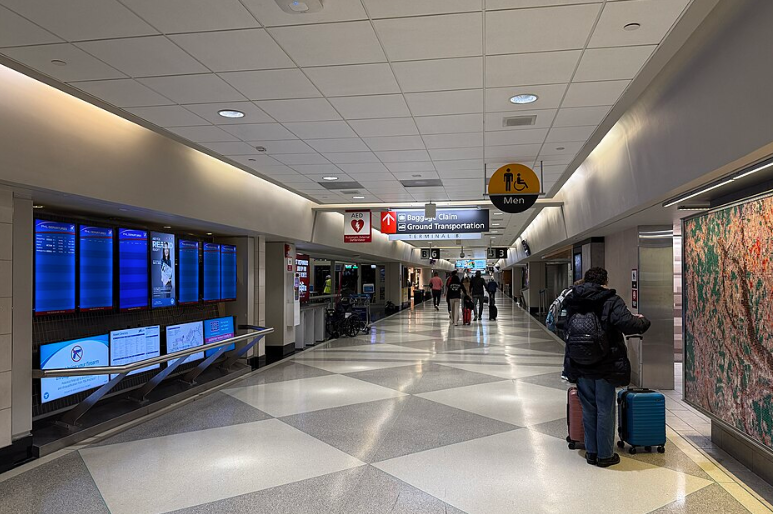
Philadelphia health officials issued a warning about a possible measles exposure at Philadelphia International Airport. The exposure happened in Terminals B and F, as well as connecting areas used to reach Terminals C, D and E. The incident took place on Sunday, September 13, during a specific time frame from 7:25 p.m. to 12:05 a.m. on Monday, September 14. The traveler with measles passed through the airport but did not leave the facility.
Health officials said this case is separate from an earlier measles exposure reported at Children’s Hospital of Philadelphia, according to northeasttimes.com. Both cases surfaced in the same week, prompting the department to issue back-to-back public notices. The earlier exposure involved several areas at Children’s Hospital of Philadelphia on Sept. 11.
Health Commissioner Dr. Palak Raval-Nelson emphasized that staying up to date on vaccinations is crucial for all residents. She said fully vaccinated individuals have little risk from either the airport or hospital exposure. Vaccination also protects vulnerable members of the community, especially during ongoing measles outbreaks in Pennsylvania and beyond.
The public is advised to check their immunization records if they were in the affected areas during the specified time. People are generally considered immune if they were born before 1957, have had measles, or received two doses of the MMR vaccine. Those unsure about their status should contact a healthcare provider for guidance. Infants, pregnant women who are not immune, or those with compromised immune systems should seek medical advice promptly. Anyone who develops symptoms should call ahead before visiting a doctor or emergency room and mention the possible exposure.
Health officials said people who are not immune and may have been exposed should watch for symptoms through Oct. 5. They were also advised to wear a mask in indoor public spaces and around unvaccinated people for three weeks after the exposure.
Measles spreads through the air via coughing, sneezing or talking. Unprotected people can catch the virus up to two hours after an infected person has left the same space. Early symptoms include fever, runny nose, cough and red, watery eyes. In some cases, the illness can lead to pneumonia, brain infection or death.
The MMR vaccine is typically given at 12 to 15 months of age, with a second dose between ages four and six. Infants under 12 months are not routinely eligible for the vaccine and are not protected through the standard vaccination schedule. For travel to areas with measles activity, including parts of Pennsylvania, early vaccination is recommended for infants six to 11 months old. Children aged 12 months to 4 years should receive an early second dose at least 28 days after the first if traveling to areas with measles or abroad.
The city’s health department provided a link for more information on measles vaccination and travel recommendations.
The warning comes amid a major measles outbreak in Pennsylvania. The state Department of Health reported 731 confirmed cases across 38 counties as of Sept. 16. Pennsylvania also reported four measles-associated deaths in 2026.
The outbreak has also led to disagreement over how measles deaths are counted nationally. CDC Director Erica Schwartz is working with the Council of State and Territorial Epidemiologists to develop a standardized definition for a measles death. Until that work is completed, the CDC has said it will use National Center for Health Statistics data when reporting measles deaths.
Reuters reported that Health Secretary Robert F. Kennedy Jr. asked Schwartz to remove two Pennsylvania measles-associated deaths from the CDC’s national tally because he questioned whether measles caused or contributed to the deaths. Pennsylvania officials have continued to classify the deaths as measles-associated under their criteria.
Schwartz has said that disagreements with Kennedy would generally be handled privately. During her confirmation process she also pledged to follow scientific evidence and provide evidence-based health guidance. Questions about how much independence she would have from HHS leadership were raised during her Senate confirmation hearing.
The dispute has placed additional attention on federal and state public health responses as Pennsylvania continues to deal with its largest measles outbreak in decades.
IMAGE: Source Own work Author Dough4872 CC4