
Chevron, a major American oil company with deep roots in Venezuela, has announced plans to significantly expand its operations in the country. The company intends to invest over $7 billion within five years to increase production levels by more than double its current output. Chevron aims to produce approximately 600,000 barrels of oil per day, a goal that would more than double its existing production capacity.
The expansion is tied to new territories granted in the Orinoco Belt, an area where Chevron already operates through joint ventures such as Petroindependencia and Petropiar, according to cubaheadlines.com. This move comes shortly after former President Donald Trump made headlines with what he described as the largest oil deal in history involving Venezuela, according to a report from usaherald.com. That agreement, introduced by former President Trump with North American Blue Energy Partners (NABEP), granted 100-year concessions over 17 fields with proven reserves of around 65 billion barrels. Chevron’s expansion is separate from the NABEP deal but aligns with Washington’s broader strategy to reinvigorate Venezuela’s oil sector.
Chevron has been active in Venezuela since 1923 and currently holds a 49% stake in Petroindependencia, a joint venture in the country’s oil industry. Venezuela is home to the world’s largest proven oil reserves, totaling more than 303 billion barrels according to OPEC data. Despite this potential, actual production remains far below capacity, with Venezuela currently producing only a fraction of its total reserves.
Energy Secretary Chris Wright traveled to Caracas to participate in the formal signing of Chevron’s new contract. The U.S. government has emphasized that its actions are aimed at bringing peace and prosperity to Venezuela.
While Chevron’s expansion is part of a larger push, not all experts agree that the oil industry can be quickly revived. Legal concerns have been raised about whether acting President Delcy Rodríguez has the authority to approve long-term concessions like those in the NABEP deal. Some analysts also point out that bringing back skilled workers who left Venezuela is a major challenge that no single agreement can solve alone.
Critics have questioned the legitimacy of the Trump-era agreements, citing constitutional requirements for approval by the National Assembly. Ian Vásquez from the Cato Institute argued that the deal was made under pressure and without proper democratic approval.
Despite criticism, Energy Secretary Chris Wright defended the agreements as beneficial for both U.S. and Venezuelan citizens. Other major oil companies like Exxon Mobil have expressed caution about returning to Venezuela. Exxon’s CEO Darren Woods previously called Venezuela an ‘uninvestable’ country, and the company has not confirmed plans to re-enter.
The hesitation from companies like Exxon reflects long-standing concerns about political instability and operational risks in Venezuela. Chevron’s expansion is one of several signs that international interest in Venezuela’s oil resources is growing, energyintel.com reported. The company’s move follows recent reforms to Venezuela’s hydrocarbon laws and the departure of former President Nicolas Maduro.
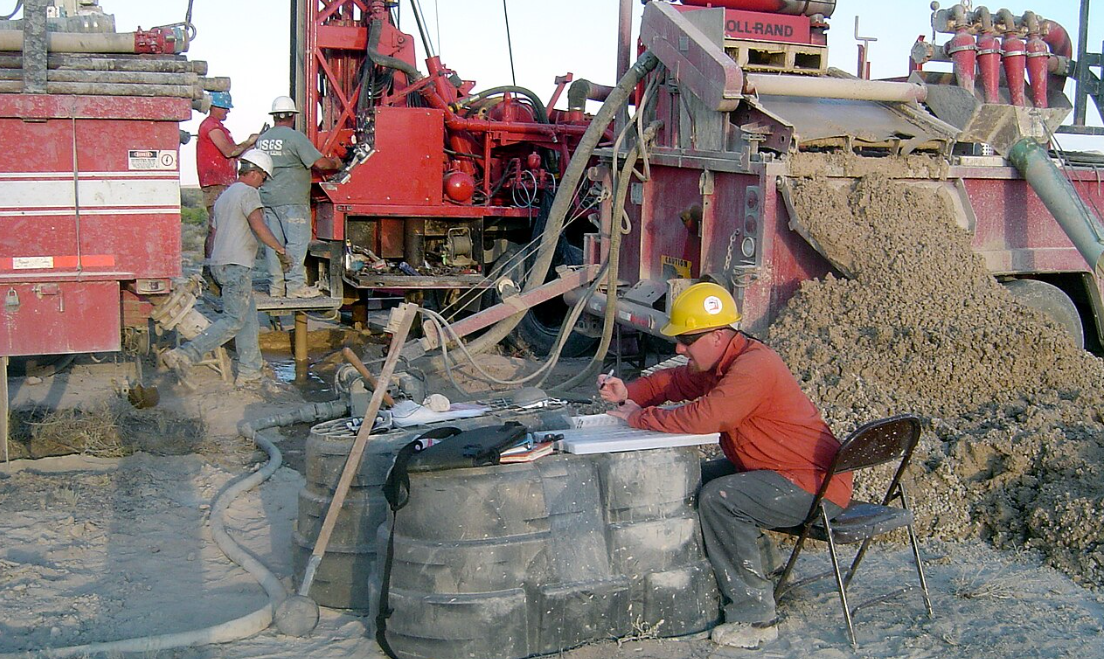
IMAGE: Mud log in process, a common way to study the lithology when drilling oil wells. Qfl247 (talk) (Transferred by Citypeek/Original uploaded by Qfl247) CC BY-SA 3.0