
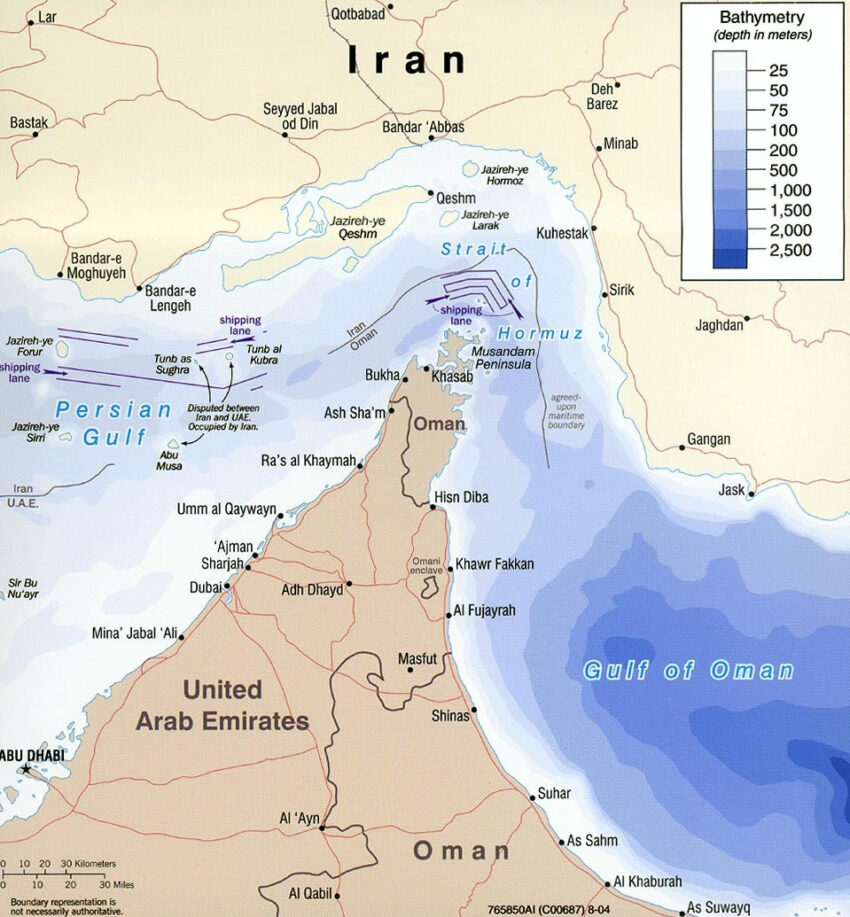
Oil prices have risen for a fourth straight day, driven by ongoing tensions between the United States and Iran. The lack of progress in resolving the conflict has raised concerns about possible disruptions to oil supply routes in the Middle East. Crude oil benchmarks are approaching recent highs, with Brent crude moving above $91 a barrel and WTI crossing $85. The situation in the Strait of Hormuz, where shipping has been constrained, is contributing to increased supply-risk pricing. US forces have been redirecting commercial vessels, which further increases the risk of disruptions in oil transit.
OPEC has revised its forecast for global oil demand growth downward, adding complexity to the current market situation, according to Crypto Briefing. Bond yields have also climbed following the expiration of a ceasefire agreement between the United States and Iran, according to a report from Crypto Briefing. Investors are pricing in a higher chance that crude oil prices will reach new all-time highs by the end of 2026. Prediction markets show that the probability of oil hitting record levels has increased from 12% to 13.5% in just one day.
The rise in bond yields suggests that investors expect inflationary pressures and higher borrowing costs due to Middle East instability. Market participants are reacting to the uncertainty caused by unresolved geopolitical issues in the region. The situation has led investors to reassess global risks, especially in energy and emerging markets, indiainfoline.com reported.
Indian equity markets were affected by the rising oil prices and increased geopolitical uncertainty. The Nifty 50 index opened lower on August 18, 2026, and was down about 110 points by 11:30 AM. Investors are watching developments closely, especially those related to the Strait of Hormuz and any potential supply disruptions. The Indian rupee weakened against the US dollar, reaching about ₹95.68 per dollar as crude prices climbed. A sustained increase in oil prices can raise India’s import bill and put pressure on the rupee and inflation.
The US bond market also saw yields rise, adding to pressure on emerging economies like India. Rising global bond yields make dollar-denominated assets more attractive and may reduce foreign investment flows into India. Indian domestic bond yields also increased, reflecting concerns over oil prices and reduced support from the central bank.
The broader market mood has turned risk-averse as investors weigh the impacts of higher energy prices and global yield increases. Several key corporate developments were also in focus, including an upcoming IPO by the National Stock Exchange and ICICI Bank’s dollar bond issuance. The NSE is reportedly targeting a valuation of up to $55 billion for its IPO, with shares priced around ₹2,000–₹2,100. Investors are also tracking the Lalithaa Jewellery Mart IPO, which has already seen more than one-time subscription by mid-morning.
Ceigall India received four Letters of Acceptance from the Ministry of Road Transport and Highways, showing continued infrastructure activity. HDFC Bank shares were under pressure during the session, trading near their 52-week low of ₹722.
The overall market sentiment remains cautious despite these developments, as investors continue to monitor global energy and geopolitical trends.
IMAGE: Photo: Wikimedia, taken 2012-02-19, Public domain