
Thames Water could be preparing to activate its £270 million desalination plant for the first time as an emergency response to ongoing drought conditions. The facility, which was completed in 2010, had only been switched on five times since then for emergency water supply during a shortage.
The decision to bring the plant online marks a significant step in how the company handles water scarcity issues, according to Yahoo News.
Ofwat has approved plans for Thames Water to increase customer bills by £3 in 2027 and another £2 in 2029. These bill increases are part of a larger investment programme aimed at improving the company’s water infrastructure.
The funding will support long-term upgrades and emergency readiness efforts across the region.
Thames Water’s decision to restart the desalination plant comes as a response to growing concerns over water availability. The company has not previously activated the facility, even during past dry periods.
This move signals a shift in how Thames Water approaches water supply challenges under stress.
Ofwat’s approval of the new funding plan allows Thames Water to proceed with both infrastructure improvements and emergency measures. The investment will help ensure that the company can better manage future droughts or shortages.
Customers in the area may see their bills rise over the next few years as part of this new financial plan.
The desalination plant is designed to convert seawater into drinking water for the region. It has been built with modern technology and can produce large volumes of clean water when needed.
The plant’s activation is expected to provide a reliable backup during times of low rainfall or supply issues. Thames Water has been working on improving its systems to meet the needs of a growing population.
The company’s emergency response plan now includes the use of this desalination facility. This is a major development in how Thames Water prepares for water shortages.
The company’s long-term strategy now includes more proactive steps to secure supply during dry seasons. Ofwat’s approval of the new plan shows confidence in Thames Water’s ability to manage its responsibilities.
The increased bill amounts are meant to fund not just the desalination plant but also other upgrades across the system. These changes will allow Thames Water to better serve its customers during emergencies and in normal conditions alike.
The restart of the desalination plant is a sign that water management has become more urgent for the company. Thames Water’s approach to water supply is evolving as climate conditions change.
The company’s decision reflects a growing need for resilient infrastructure in the face of increasing drought risk. This is not just about fixing problems, but also preparing for future challenges.
The plant’s activation could provide backup during times of low rainfall or supply issues. Thames Water is now better equipped to respond to droughts.
The company’s updated emergency protocols include the use of desalination as a key tool in its strategy. Customers will see their bills rise over time to support these changes.
The investment in infrastructure is part of a broader effort to improve water reliability across the region. Thames Water’s leadership has recognized that long-term planning is essential for sustainable supply.
The new plan ensures the company can meet both current and future needs with more flexibility.
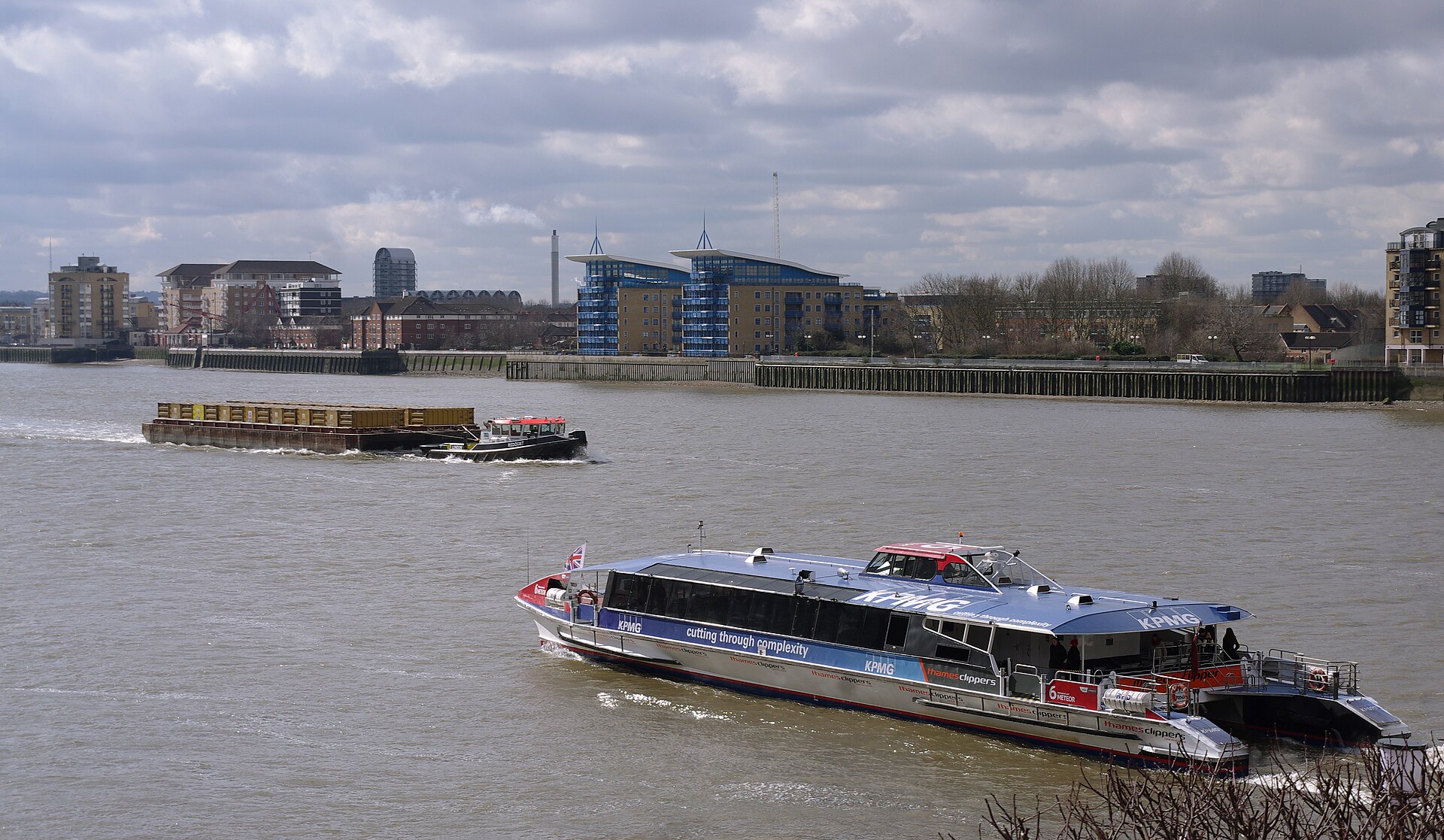
IMAGE: mattbuck (category) / Wikimedia Commons (CC BY-SA 3.0)