
Nagasaki marked 81 years since the atomic bombing on August 9, 1945, with a ceremony that highlighted the dangers of nuclear weapons and called for global disarmament. Mayor Shiro Suzuki read the Nagasaki Peace Declaration at the event, recalling how the U.S. Army Air Forces bomber devastated the city in a moment, killing around 70,000 by year’s end. The late Yoshida Katsuji, who was thirteen when he was exposed to the blast, described the horror in vivid detail, saying he saw people with burned and disfigured bodies wandering in confusion. He said many victims were drinking contaminated river water while dying, and that he himself was covered in blood with skin peeling off from severe burns. Yoshida carried scars for life and faced social stigma, showing how the trauma extended beyond physical injuries to mental and emotional wounds. Survivors like Yoshida continue to suffer from long-term health effects, including cancers and other radiation-related diseases.
Suzuki pointed out that over 12,000 nuclear warheads currently exist on Earth, raising questions about why nations continue to pursue such weapons, according to mainichi.jp. She emphasized how international distrust and the modernization of nuclear arsenals are increasing global risks and undermining disarmament efforts. The failure of three consecutive Nuclear Non-Proliferation Treaty Review Conferences to reach agreement shows the growing divide in global nuclear policy. Suzuki criticized the theory of nuclear deterrence, calling it fragile and dangerous, especially in times of conflict. She said the atomic bombings of Hiroshima and Nagasaki made clear that nuclear weapons can destroy both life and human dignity.
Hibakusha and the cities they lived through affirm that nuclear deterrence is not a safe path forward for humanity. Suzuki declared that nuclear weapons are an absolute evil, not a necessary one, and cannot coexist with human civilization. She urged global citizens to empathize with others and build trust as a way to prevent conflict and promote peace. Suzuki asked world leaders to return to the principles of multilateralism and international cooperation as outlined in the UN Charter.
She also called on nuclear-armed nations to take responsibility by fulfilling their obligations under the NPT and moving toward disarmament. The mayor urged Japan’s government to attend the upcoming Review Conference of the Treaty on the Prohibition of Nuclear Weapons. She emphasized Japan’s role as the only nation to have experienced atomic bombings in war and its responsibility to lead on peace. Suzuki called for Japan to uphold its constitutional ethos of peace and its Three Non-Nuclear Principles. She advocated for stronger diplomatic efforts to reduce tensions and move toward a nuclear-free zone in Northeast Asia.
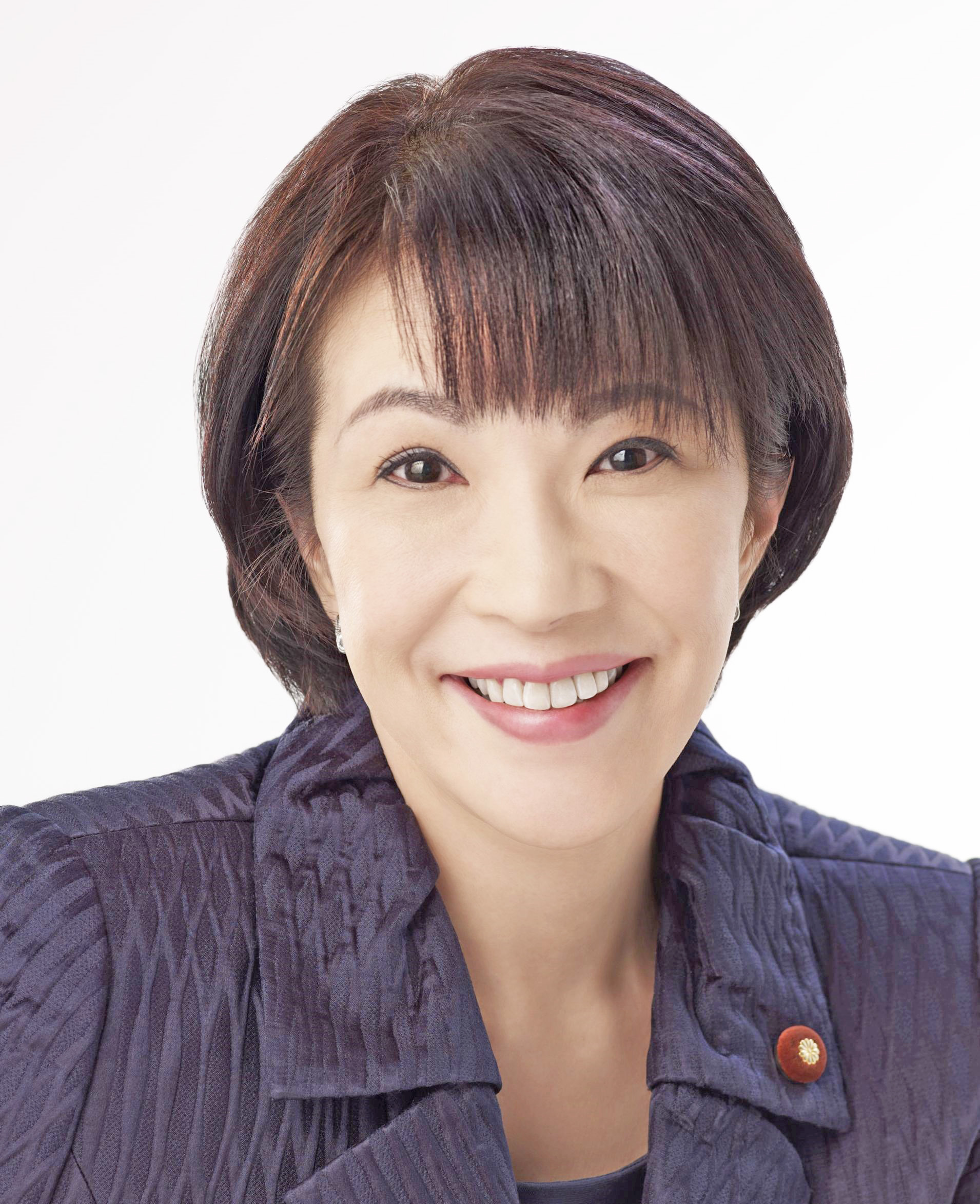
Prime Minister Sanae Takaichi attended the ceremony and reiterated her government’s stance on pursuing a world without nuclear weapons, according to a report from nz.news.yahoo.com. Takaichi emphasized that Japan’s constitution renounces offensive military force and that successive governments have avoided nuclear weapons. She also noted that the number of officially recognized survivors has decreased from over 164,000 a decade ago to just over 91,000 as of March.
Suzuki said that the voices of hibakusha are still powerful and must be heard by future generations. She stressed the importance of accurately sharing the truth about the atomic bombings to help shape global understanding and prevent future use of such weapons.
The event took place just days before Japan’s defense policy was updated to enhance its military offensive capabilities.
IMAGE: 内閣官房内閣広報室 / Wikimedia Commons (CC BY 4.0)