
Vaping has been promoted by manufacturers as a safer alternative to smoking tobacco, but public health experts warn that it still poses serious health risks. The practice has become especially common among young people, with about six percent of middle and high school students reporting e-cigarette use in 2024. Medical professionals like pediatric pulmonologist Alexandra Kass and addiction psychiatrist Silvia Franco Corso are seeing the effects of vaping on their young patients. They explain how vaping impacts the lungs, heart, and brain, especially in developing adolescents.
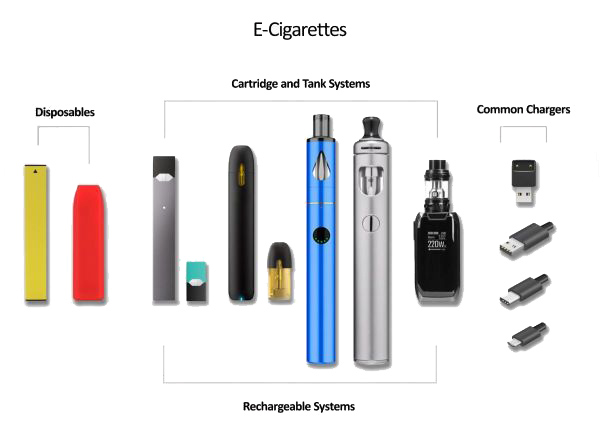
E-cigarettes work by heating a liquid solution into an aerosol that users inhale, according to Medical Xpress. The liquid contains ingredients like propylene glycol or vegetable glycerin, nicotine or THC, flavorings, and other chemicals.
Although vaping is often seen as less harmful than smoking, it still carries significant health risks for young users. The brain of a teenager is still developing, making exposure to vaping especially dangerous. Vaping can interfere with the development of synapses and affect decision-making and impulse control.
Lung problems are among the most visible effects of vaping, with irritation and inflammation of airways being common. One chemical found in vape aerosols, acrolein, is linked to permanent lung damage and conditions like asthma and lung cancer. Vaping also affects the heart and circulatory system by raising blood pressure and increasing the risk of heart problems. A single JUUL pod delivers as much nicotine as an entire pack of cigarettes, according to the American Heart Association. Because there are no universal standards for vape products, it’s difficult to know exactly how much nicotine a user receives.
Nicotine in vapes can cause addiction and long-term changes in the brain’s reward system. The effects of nicotine are especially severe in young people whose brains are still forming. Vaping is convenient and often hard to detect, which makes it attractive to teens.
Some experts also question whether vaping can lead to experimentation with other drugs.
In Malaysia, a dangerous synthetic drug called piu-piu is being mixed into vape liquids, according to a report from bernama.com. This drug, which causes hallucinations and can lead to seizures and heart issues, is sold cheaply online. Police warn that piu-piu is especially dangerous for young people due to its rapid effects and the ease of concealment. The National Anti-Drug Agency has identified piu-piu as a growing concern in Malaysia’s drug abuse landscape. Unlike traditional drugs, piu-piu is synthetic and not easily detected by appearance or use patterns. Some reports suggest it may also contain fentanyl, which can cause extreme hallucinations and a zombie-like state.
Drug syndicates are increasingly using vape devices to avoid detection by law enforcement. Experts say the trend of mixing synthetic drugs into vapes is alarming because it targets school-age youth.
Senior lecturer Dr. Khairunesa Isa noted that peer influence plays a large role in adolescent behavior and experimentation. She emphasized that social media can both raise awareness and normalize risky behaviors like drug use. The changing patterns of drug abuse show a shift from traditional drugs to vape-based synthetic substances. These new forms of drugs are harder to identify and often appear as harmless lifestyle products.
Statistics show that synthetic drugs now make up the majority of drug abuse cases in Malaysia, especially among young adults. Dr. Engku Mardiah Engku Kamarudin pointed out how the trendy image of vaping can mislead youth into thinking it’s harmless. Even though studies show vaping harms health, many teens still believe it is safer than smoking cigarettes.
A recent study in the journal Carcinogenesis suggests that vaping may increase cancer risk over time, CNN reported. Researchers found that e-cigarette aerosols can damage DNA and cause chronic inflammation linked to cancer. The study identified potentially harmful substances like formaldehyde, acetaldehyde, and heavy metals in vape aerosols.
While vaping may be less harmful than smoking, it is not risk-free, especially for young people. Even though e-cigarettes don’t burn tobacco, they still heat chemicals that can break down into harmful compounds. Ultrafine particles from vaping can reach deep into the lungs and cause long-term inflammation. Nicotine in vapes may promote tumor growth even though it is not a classic carcinogen.
Experts say that while vaping might help some adults quit smoking, it is not approved as a cessation tool by the FDA. Many people who start vaping to quit smoking end up continuing nicotine use through dual use of cigarettes and e-cigarettes. FDA-approved therapies like patches and gum are more effective for people trying to quit smoking.
The long-term health effects of vaping are still being studied, especially in young users. Public health experts continue to urge caution about the use of e-cigarettes among teens and young adults.
IMAGE: United States Food and Drug Administration / Wikimedia Commons (Public domain)