
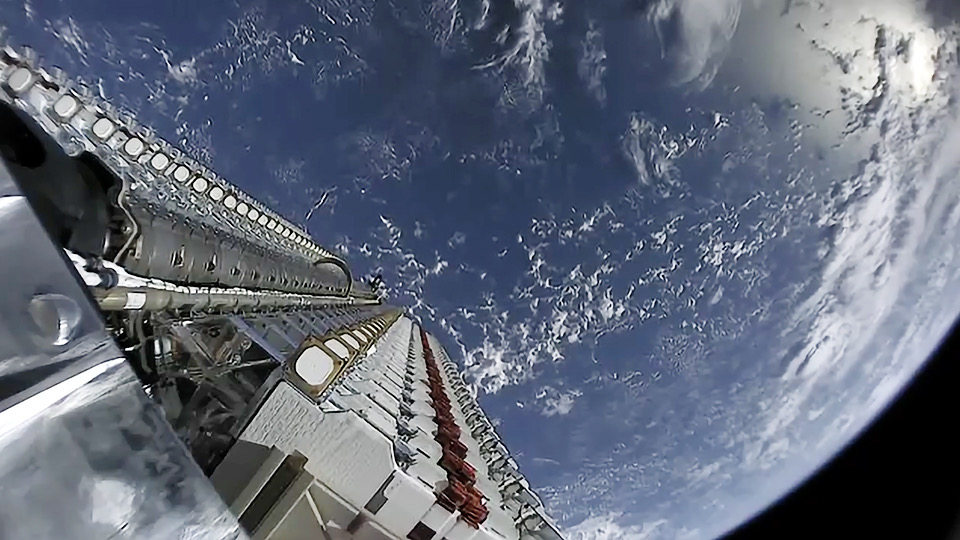
SpaceX is planning its next test flight of the Starship rocket, scheduled to happen by the end of August. The company will launch a new version of its Starlink satellites on this flight, which is the first time these upgraded satellites will be sent into orbit. The upcoming launch will also attempt to catch the upper stage of the rocket, a move that has not been done before.
This test flight follows the most recent suborbital run on July 24, which was considered a success. The upper stage of the rocket survived reentry and splashdown without damage, showing that its heat shield is strong. The vehicle is still floating in the Indian Ocean and SpaceX has sent ships to recover it.
Elon Musk said that the heat shield is working well and the company will inspect it further before making any final decisions. The company has not yet attempted to catch the upper stage in a controlled way, instead using soft landings in the ocean.
Musk also mentioned that the company is aiming to launch at least one Starship flight per day within a year. This would be more than double the number of Falcon 9 launches completed in 2025.
SpaceX has become a public company and now reports its financial results every quarter. The company made a net loss of $541 million in the most recent quarter, down from $1 billion in the same period last year. SpaceX’s space operations segment brought in $962 million, but still reported an operating loss of $542 million.
The company’s Starlink service continues to be a major source of revenue, with more than $66 billion in revenue from that segment. SpaceX is also investing heavily in artificial intelligence, planning to launch a constellation of AI data centers called Starmind. SpaceX expects to start launching operational Starmind spacecraft in 2027.
Musk said that SpaceX’s goal is to reach $100 billion in annual recurring revenue. He also said that the company expects to hit $1 trillion in revenue by 2030.
The Starship rocket is central to these plans as it will be used to deploy both Starlink and AI satellites. New Starlink V3 satellites are expected to improve the service once about 1,000 of them are in orbit.
These satellites will be part of a broader effort to expand connectivity and support AI infrastructure. SpaceX’s future plans include launching many more rockets in a short time, with the goal of making space access faster and more frequent.
The company is also working to reduce the cost of launching satellites by reusing rocket parts. This approach could change how space missions are carried out in the future.
The company’s next test flight is a key step toward making these ambitious goals a reality.
IMAGE: Official SpaceX Photos / Wikimedia Commons (CC0)