
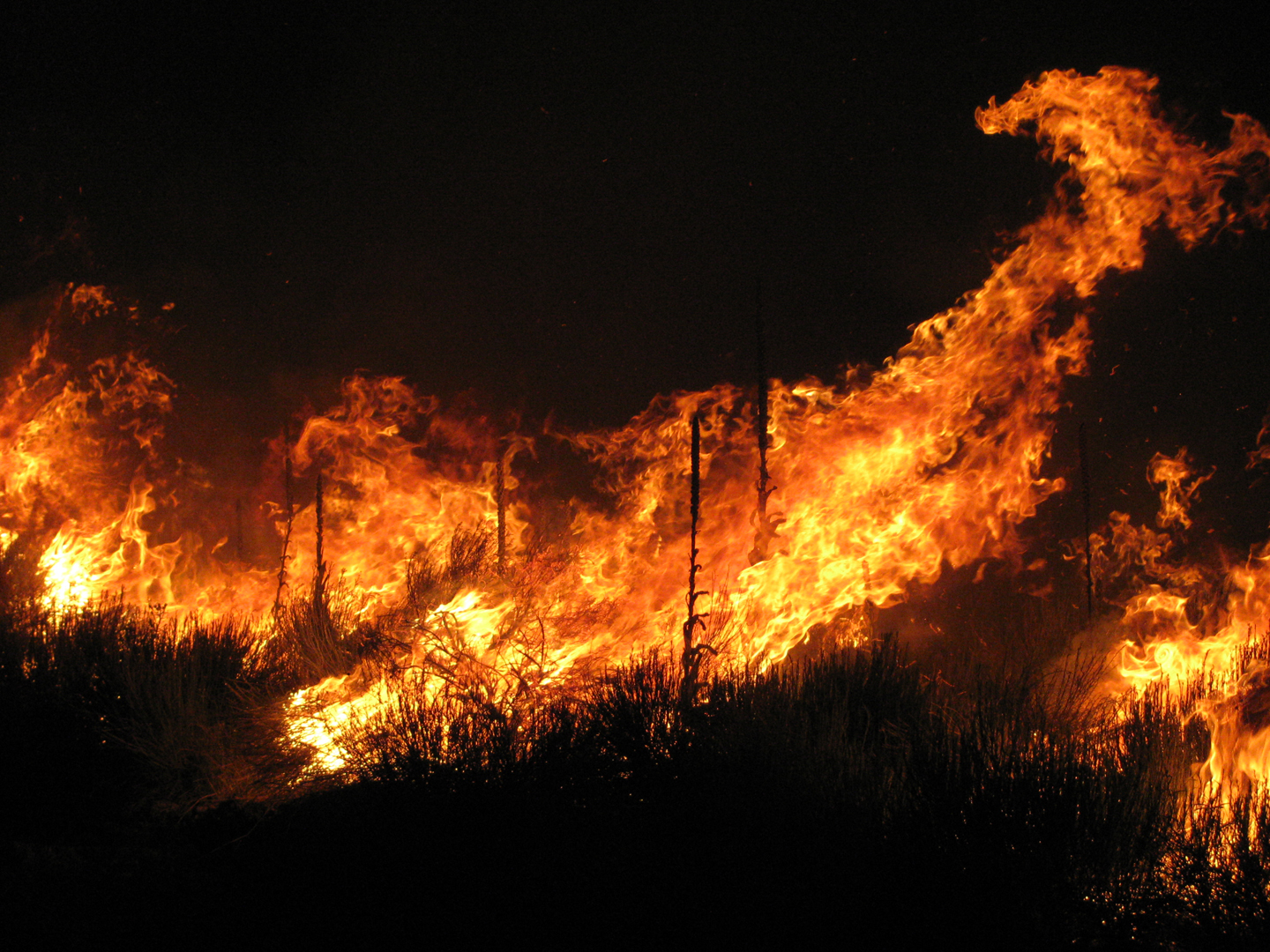
Recent weather patterns have pushed smoke from wildfires in the Pacific Northwest toward areas far beyond their origin. This smoke has reached as far as the Rockies and Plains, bringing unhealthy air quality to many cities in Oregon. Cities like Bend, Eugene, Portland, and Salem are expected to experience poor air conditions in the coming days.
The smoke has also made its way into Colorado, where it is causing thick skies and high temperatures. Denver saw temperatures expected to hit 100 degrees on Monday, tying a record from 1878. The National Weather Service warned of triple-digit heat for the area.
Wildfire smoke had returned after a few weeks of relatively good air quality in northwestern Colorado. Smoke was visible in northern Colorado, including areas like Craig and Steamboat Springs. The smoke spread eastward across the Front Range, reaching cities like Boulder and Grand County.
Health officials issued an air quality health advisory for several counties in Colorado. The advisory warned of possible moderate to heavy smoke through at least Tuesday morning.
In Washington, a major fire event occurred over the weekend of August 1, 2026. That fire destroyed at least 600 homes and other structures in the Spokane area.
Residents and firefighters had some warning before the fire spread. Fire officials had issued red flag warnings due to dry conditions and strong winds.
The conditions in Spokane were especially dangerous because neighborhoods were built into wildlands. This area, known as the wildland-urban interface, made it easier for fires to reach homes.
The dry and windy weather combined with low snowpack created ideal conditions for fire spread. By early August 2026, snowpack levels were well above the average for that time of year.
The fire behavior in Spokane was not unusual compared to other fires in the region at that time. The number of homes exposed to large wildfires had increased sixfold by late summer.
Wildfires are a natural part of the landscape in western North America. Communities can reduce fire risk through planning and preparation. This includes mapping vulnerable areas and creating protection plans for neighborhoods.
Individual homeowners can also help by hardening their structures and clearing space around homes. Defensible space should be kept free of flammable materials within five feet of a home.
These actions may not prevent all damage, but they can reduce the risk to lives and property.
IMAGE: National Forest / Wikimedia Commons (CC BY-SA 2.0)