
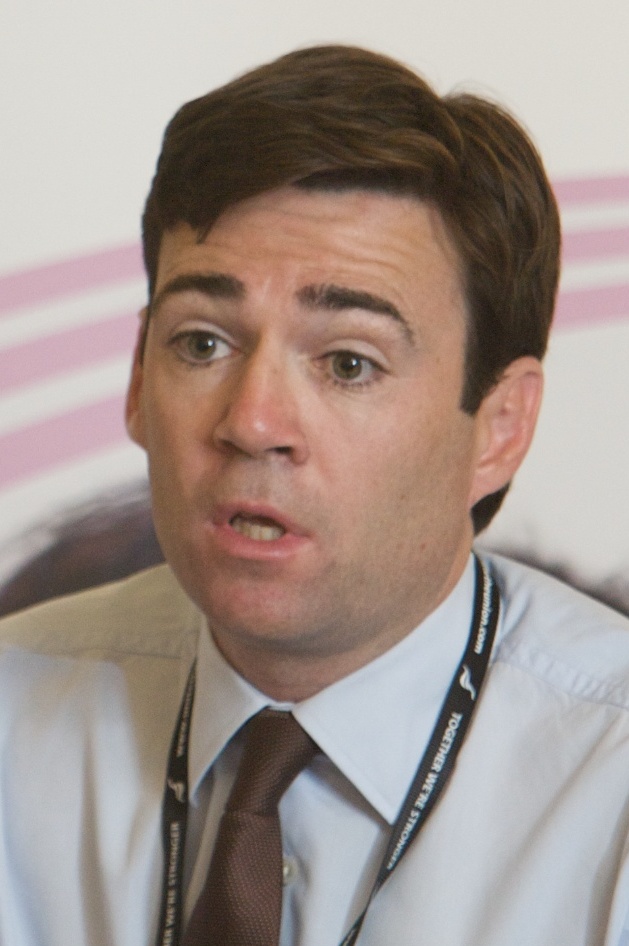
Prime Minister Andy Burnham has announced his intention to improve England’s social care system with a new national care service. He plans to introduce this new service within the next two years, aiming to make care more person-centred and better aligned with the NHS. Burnham also wants to remove companies that profit off vulnerable people’s needs.
Currently, most social care in England is run by for-profit companies. This system has led to worse access and quality of care, as well as growing inequalities. Reform must change who owns the care services to truly improve outcomes.
One approach would be to change how care is funded through new taxes or insurance systems. This would help more people afford care and reduce the two-tier system where some pay for better services while others get worse ones.
However, funding changes alone won’t fix the core issues caused by for-profit models. Studies show that non-profit and council-run homes provide better care than for-profit ones. For-profit providers often choose healthier patients and operate in wealthier areas, which worsens inequalities.
Ownership is a key factor in how well care is delivered locally. Both Burnham and Baroness Louise Casey have said they oppose profiteering from human suffering.
But it’s not just a moral issue – profit motives have worsened care access, quality, and fairness. To change ownership, there are two main options for creating non-profit care services.
One is to restructure the market so that ethical providers are chosen first in service procurement. This includes those owned by councils, charities, or cooperatives.
Another option is to require companies to convert to non-profit models or be replaced by state-run care. Wales already passed laws in 2014 to support this kind of reform for social care. The Welsh government also banned new for-profit providers and gave existing ones a four-year window to convert.
Both approaches aim to ensure that care is provided ethically, even if not all providers can be converted. Such changes will require strong political support, as there is resistance from the market.
Burnham has said he’s willing to use whatever political capital is needed to make progress. The current system forces people with savings just under a certain limit to spend everything before getting help. Some may sell their homes or delay care until they can no longer afford it.
Burnham has compared England’s social care to American healthcare, calling it unfair. He noted that this issue has been tackled many times over the years without success.
Previous attempts include a plan by Andy Burnham himself in 2010 to create a National Care Service funded by an estate tax. He also mentioned that fixing this system is difficult and expensive.
Public opinion shows people want the state to help pay for care, but are unsure how to fund it. Most people prefer a wealth tax over other funding methods like council tax or income tax increases.
A similar system to Ireland’s Fair Deal could cost billions annually in the UK. This would require raising income tax or introducing an estate tax.
Burnham’s plan also includes better pay and career development for care workers. He wants to protect people from having to sell their homes for care.
The challenge is that there’s no clear agreement on how to fund the reforms. Burnham has not yet provided full details on funding.
He also emphasized the need for better integration between health and social care systems. He believes that both sectors must work together more effectively.
Technology can help but is not a complete solution. Real change comes from better coordination and shared ways of working.
Social care is more complex than the NHS, with less digital maturity and fewer resources. The focus should be on reliable digital tools that support communication and independence.
Burnham also supports better community connections in care delivery. This includes working with local hubs such as libraries and supermarkets.
He believes that better collaboration between health and social care will improve outcomes for people. This approach will require tough decisions from the NHS on how to spend money.
IMAGE: Andrew Burnham, British politician and Secretary of State for Health, speaking during the Health Hotel session “One in three: Tackling cancer is an election issue” at the Hilton Metropole, Brighton, during the Labour Party Conference 2009.. Photo: Credit: http://www.acumenimages.com. Uploaded to Flickr by The Health Hotel. / Wikimedia, taken 2009-09-29, CC BY-SA 2.0