
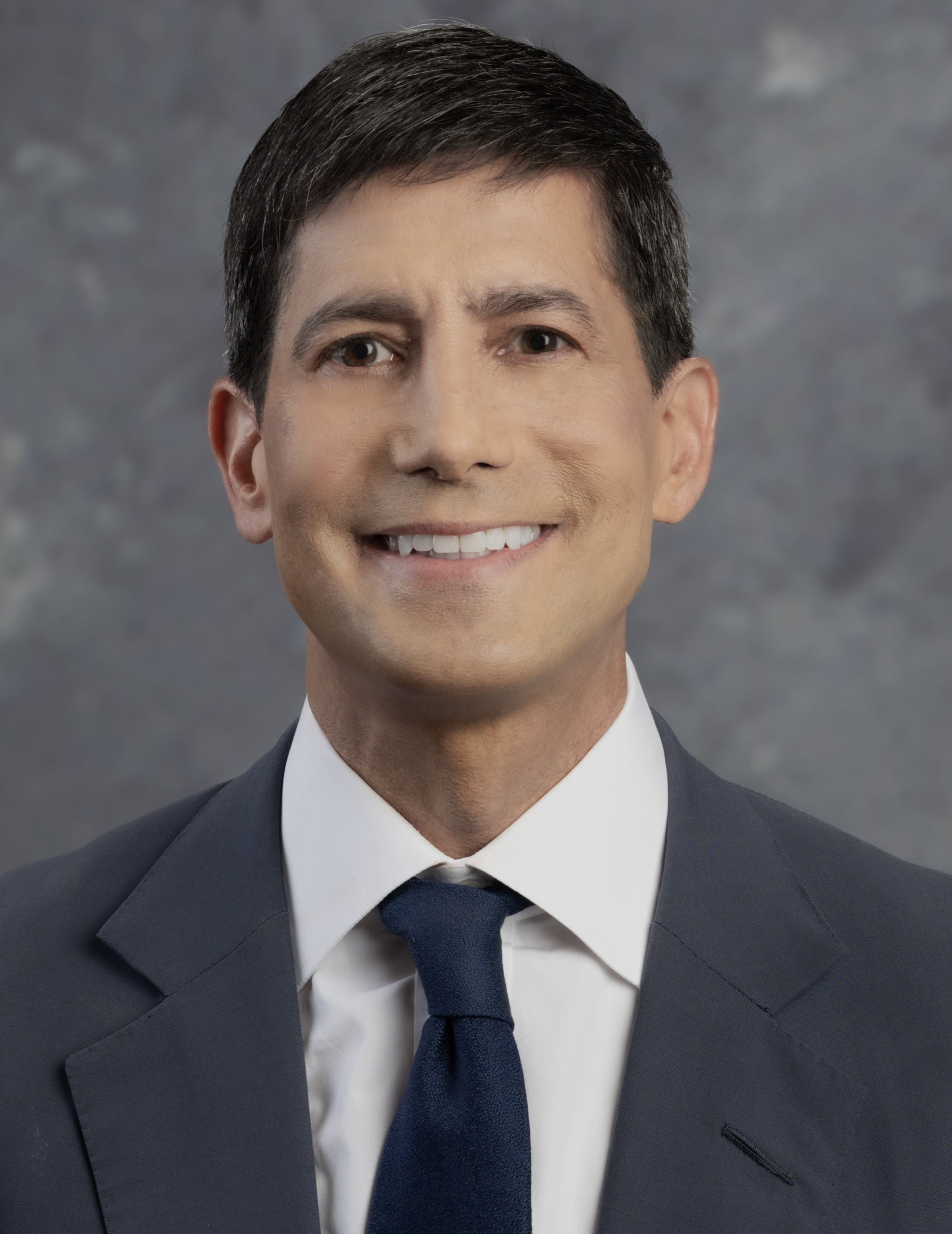
The Federal Reserve took an unusual step by holding its key interest rate steady after a tense internal discussion among its members. This decision came after three regional Fed bank presidents voted against the pause, showing a split in how to handle inflation. The central bank’s chairman described the disagreement as a healthy debate, calling it a ‘good family fight’ among officials.
Investors reacted quickly to the outcome, with major stock indexes falling sharply in early trading. The Dow Jones dropped over 1,000 points in a single day, while Treasury yields rose to their highest levels since 2007.
Despite the strong reaction, markets briefly recovered some ground after the Fed chair made his remarks. Chairman Kevin Warsh emphasized that the central bank remains committed to controlling inflation, even as economic growth continues. He also noted that financial markets have been reacting to various economic signals, including inflation data and global events.
The Fed’s statement was nearly unchanged from its previous meeting, reflecting a cautious approach to communication. This lack of change in the official message added to the confusion about what the Fed might do next.
Market participants had been expecting a rate hike, but the decision to hold rates steady surprised many investors. The Fed’s decision was influenced by recent inflation data, which showed a sharp drop in energy prices last month. However, the chairman warned that one month of improvement is not enough to conclude that inflation is under control.
He also said that the Fed will not hesitate to raise rates if inflation continues to stay high. The central bank’s approach has been shaped by global events, including renewed tensions in the Middle East and their impact on oil prices.
Analysts believe that the Fed could still raise rates later this year if economic conditions change. The decision was not unanimous, with some officials expressing concern about the pace of inflation and calling for action.
The Fed’s internal disagreement has raised questions about whether a rate hike is more likely in the near future. Some experts believe the presence of dissenters suggests a growing desire among Fed officials to tighten monetary policy.
Market expectations have shifted, with investors now pricing in a lower chance of a rate hike in October. Still, the Fed’s recent actions and statements have not completely ruled out future rate increases.
The central bank’s leadership has also been affected by recent political developments, including new trade policies under the Trump administration. Despite the political pressure, Fed officials have maintained a consistent stance on controlling inflation.
Investors are watching closely for any signs that the Fed might adjust its strategy in response to changing economic conditions. The central bank’s next move will likely depend on future inflation reports and global developments.
The Fed’s decision to hold rates steady has left investors in a state of uncertainty about what comes next. Market volatility is expected to continue as traders assess the implications of this latest Fed action.
IMAGE: Board of Governors meeting 01/01/1922 Photo credit: Harris & Ewing. Photo: Federalreserve / Wikimedia, taken 2013-12-04, Public domain