
The rise in obesity across Britain has been tied to changes in how food is made and sold. Many experts now point to ultra-processed foods as a major factor. These items are made using industrial methods and often contain ingredients not found in home cooking. They include additives like artificial flavors, preservatives, and emulsifiers. The products are designed for long shelf life, strong taste, and high profit margins.
The food industry has shaped public health policies for decades. A system that labels foods based on fat, salt, or sugar content may not be accurate. Research shows that sugar and refined carbs have a stronger link to weight gain and type 2 diabetes than fat alone. Salt is important for the body but becomes harmful when combined with sugar. Fat is necessary for absorbing vitamins, but it’s often replaced in processed foods with sweeteners to meet health labels.
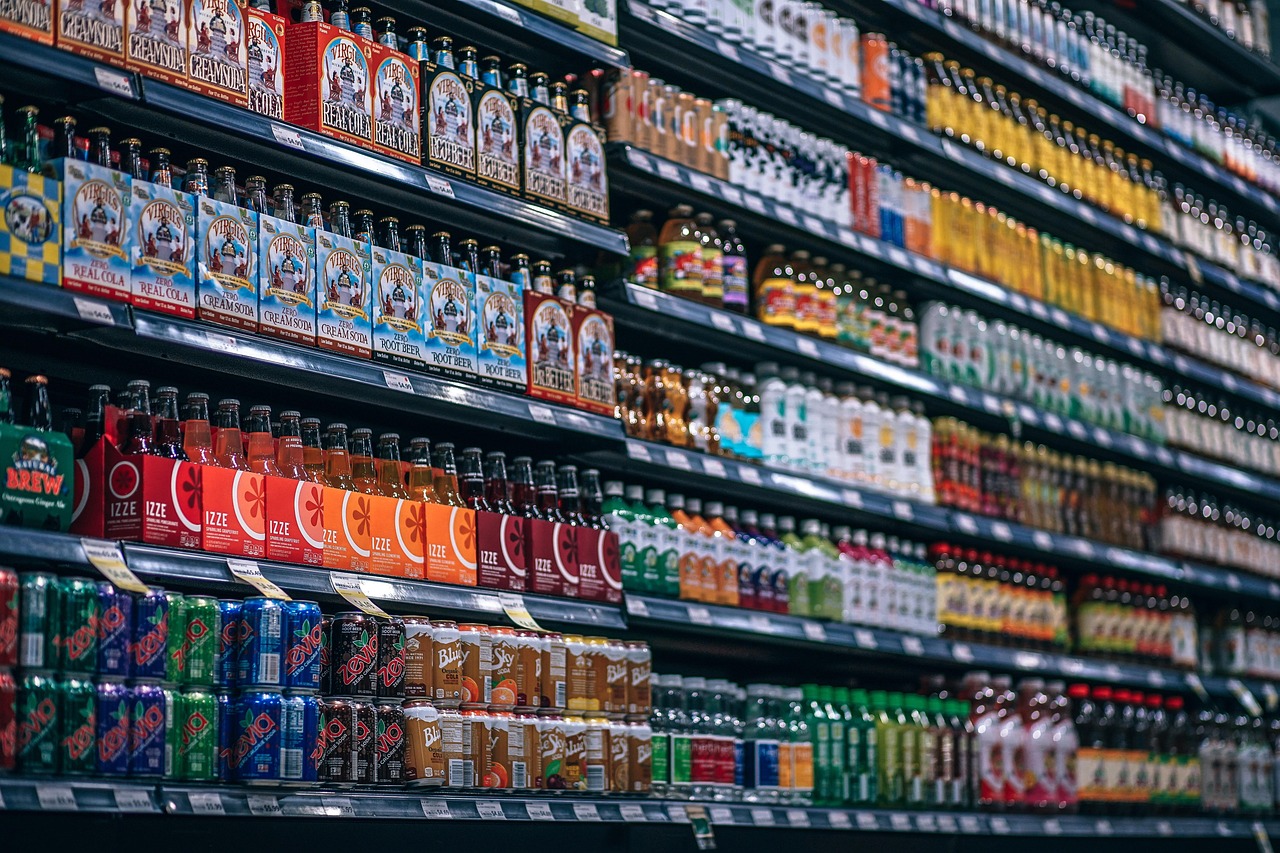
Ultra-processed foods are now common across Britain. In some cases, they make up more than half of daily calories consumed. Teenagers get even higher percentages. These products include items like crisps, ice cream, ready meals, breakfast cereals, and fizzy drinks. They are often cheaper, more convenient, and heavily advertised than fresh or minimally processed foods.
Some argue that the problem isn’t just what’s in these foods but how they are engineered to be irresistible. Certain combinations of sugar, salt, and fat can trigger overeating. Chemical additives may help reach a point where food becomes hyperpalatable. This makes it hard for people to stop eating even when they’re full.
Public health experts have called for more direct action against ultra-processed foods. Some countries are introducing warning labels, taxes on junk food, and marketing restrictions. These policies aim to reduce the harm caused by these products. However, major food companies have fought back with lawsuits. They challenge government rules meant to curb consumption of unhealthy items.
Legal battles have delayed public health efforts in several nations. In some cases, these lawsuits have lasted years and cost governments millions. The industry has used tactics similar to those once employed by tobacco companies. Critics say the goal is not just to stop regulations but to slow them down or stop them altogether.
Studies show that ultra-processed foods are linked to serious health problems. One large study found that a significant portion of heart disease cases in Canada could be tied to eating these products. The research looked at data from 2019 and estimated thousands of preventable deaths and illnesses. Reducing consumption by even a small amount could have saved many lives.
Still, not all experts agree on the full extent of the risk. Some say it’s hard to know whether the issue is processing itself or simply poor nutrition in these foods. Many ultra-processed items are high in sugar, salt, and fat — factors that have long been known to cause health issues. The debate continues over how much of a role industrial methods play.
Experts also note that not all ultra-processed foods are equally harmful. Some may even be better than others due to their ingredients. For example, certain breads or fish fingers might contain beneficial nutrients while still falling into the category. Others, like sugary drinks and snacks, are clearly more dangerous.
Public health advocates believe strong policies are needed to change how people eat. This includes taxes on unhealthy foods, clearer labeling, limits on advertising to children, and changes in what’s sold in schools. These steps could help reduce reliance on ultra-processed options.
Researchers have found that many people struggle with the convenience of these foods. They’re often cheaper than fresh ingredients and available in most stores. This makes it hard for individuals to avoid them, especially when they are hungry or short on time.
Efforts to improve food quality must involve more than just education. Structural changes are needed to make healthy choices easier. Experts suggest that the food industry should be held accountable for how their products affect health. Policies that support better ingredients and reduce harmful additives could help.
In Britain, some progress has been made. New guidelines are being considered to encourage healthier options in shops. However, many believe more needs to be done. The influence of large food companies still shapes what’s allowed on shelves and how nutrition is discussed. There is concern that the system is too slow to respond to health threats.
The issue of obesity is complex. It involves diet, lifestyle, environment, genetics, and other factors. But experts agree that ultra-processed foods play a major role in the growing problem. Addressing this requires both personal choices and national action. Without change, the health risks will continue to grow.
Health professionals warn that treating obesity after it develops is expensive and difficult. Preventive steps are more effective and cost-efficient. Policies aimed at reducing ultra-processed food consumption could help lower rates of heart disease, diabetes, and other chronic illnesses. The time for action is now.
IMAGE: igorovsyannykov / Pixabay
This article passed automated originality and source-verification checks before publishing.